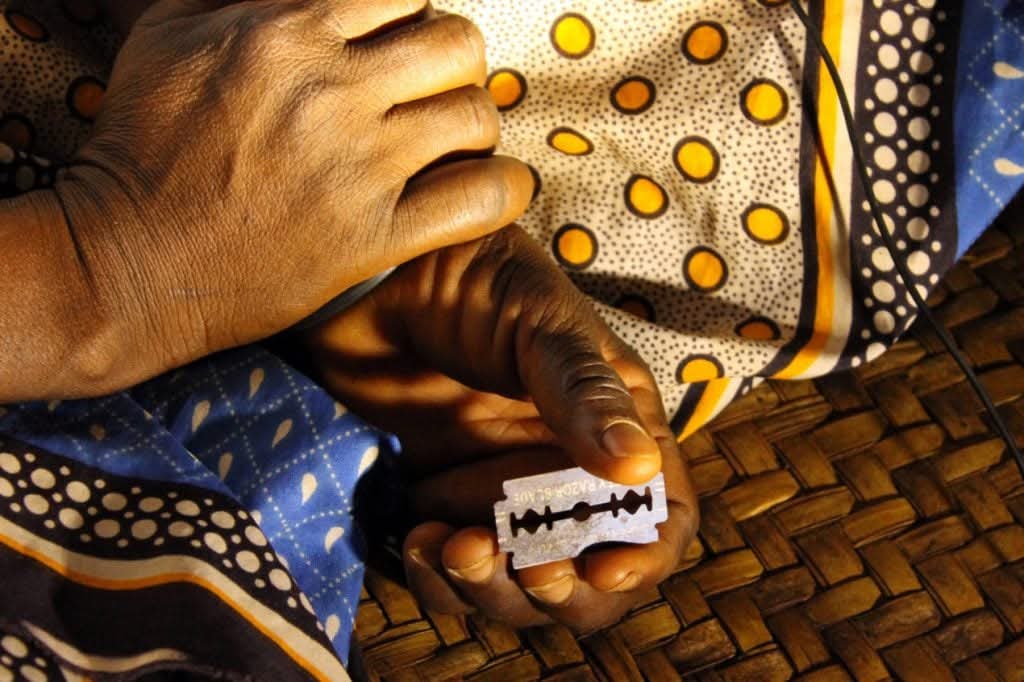
The UN Population Fund (UNFPA) has warned that 4.5 million girls are projected to be at risk of female genital mutilation in 2026, underscoring the scale of a practice it describes as a grave violation of human rights.
UNFPA estimates that about 230 million girls and women alive today have already undergone female genital mutilation, or FGM, across 94 countries. The practice involves altering or injuring female genitalia for non-medical reasons and is often carried out on children, typically between infancy and adolescence.
Health experts stress that FGM has no medical benefit and can cause severe bleeding, infections, complications in childbirth, infertility and long-term psychological trauma. When performed by health workers, it is referred to as “medicalised” FGM, but UNFPA insists that the involvement of professionals does not make the procedure safe, ethical or justified.
Despite decades of advocacy, millions of girls remain at risk each year. UNFPA notes that one reason FGM persists is the belief in some communities that opposition to the practice is driven by foreign interference, rather than by local voices. The agency counters this narrative, highlighting that resistance to FGM is increasingly led by survivors, community leaders, religious scholars and grassroots organisations from within affected societies.
Data from roughly a third of FGM-practising countries show progress: where one in two girls once underwent cutting, the rate has fallen to about one in three. Surveys also indicate that around two thirds of women and men in these countries now want the practice to end.
UNFPA calls for sustained investment to meet the global target of eliminating FGM by 2030. It urges governments, donors, the private sector, civil society, and communities to expand programmes that challenge harmful social norms, enforce protective laws and support survivors.
Education is emerging as a powerful tool. In many countries, schools now include information on the dangers of FGM in comprehensive sexuality education, helping young people question traditions that harm girls’ bodies and futures.
Africa bears the heaviest burden, with countries such as Ethiopia reporting that about three quarters of women and girls aged 15 to 49 have undergone some form of cutting. Yet change is visible: in Djibouti, Eritrea and Somalia, leading Islamic scholars have issued national religious rulings declaring that FGM has no basis in faith, bolstering legal and social efforts to end the practice.