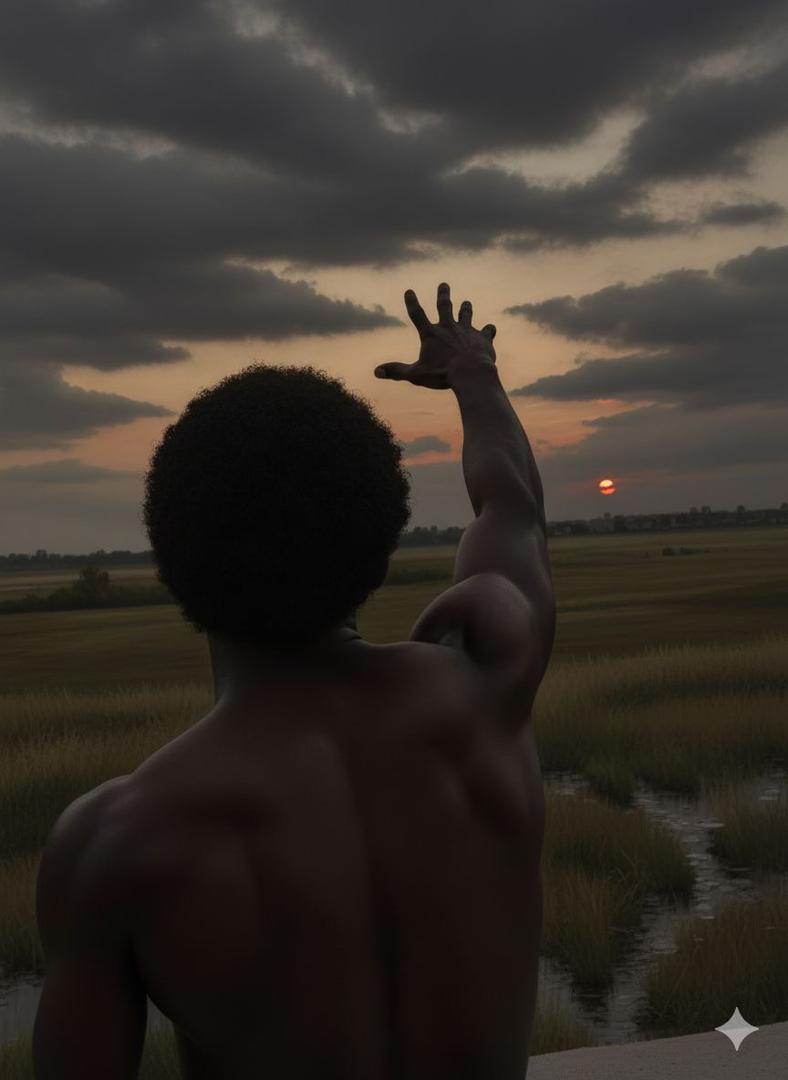
One of the hardest truths about healing is this: sooner or later, you will come face to face with forgiveness.
Now, before you stop reading, let me say this clearly: forgiveness is not pretending that what happened did not hurt.
It is not excusing abuse, betrayal, neglect, or pain.
It is not saying, "What you did was okay." It wasn't.
But forgiveness is about refusing to allow what happened to continue controlling your life.
Many of us hold onto pain because it feels justified. After all, if someone hurt you deeply, shouldn't they carry the weight of what they did? Absolutely. Accountability matters.
But the reality is that many people never apologize. Some never acknowledge the damage they caused. Some may not even realize the extent of the wounds they left behind.
If your healing depends on someone else's apology, you may remain emotionally stuck for years.
Unforgiveness often feels like protection. We tell ourselves, "If I keep remembering, I won't be hurt again." But over time, resentment becomes a prison. It occupies mental space, steals emotional energy, and quietly shapes how we relate to ourselves and others.
You may begin distrusting everyone. You may struggle with intimacy. You may become emotionally guarded, not because you want to, but because pain taught you to.
Forgiveness is not a one-time event. It is often a journey. Some wounds require forgiving repeatedly as memories resurface. Some days you may feel free, and other days the hurt returns.
That is normal.
Healing and forgiveness are deeply connected because forgiveness loosens the grip of the past. It allows you to say, "What happened mattered. It hurt. But I refuse to let it define the rest of my story."
Sometimes, the person you need to forgive is yourself.
You may need to forgive yourself for staying too long, ignoring red flags, making mistakes, or not knowing what you know now.
Self-forgiveness can be one of the deepest forms of healing.
Forgiveness does not always restore relationships.
Sometimes healing means forgiving and still choosing distance. Boundaries and forgiveness can coexist.
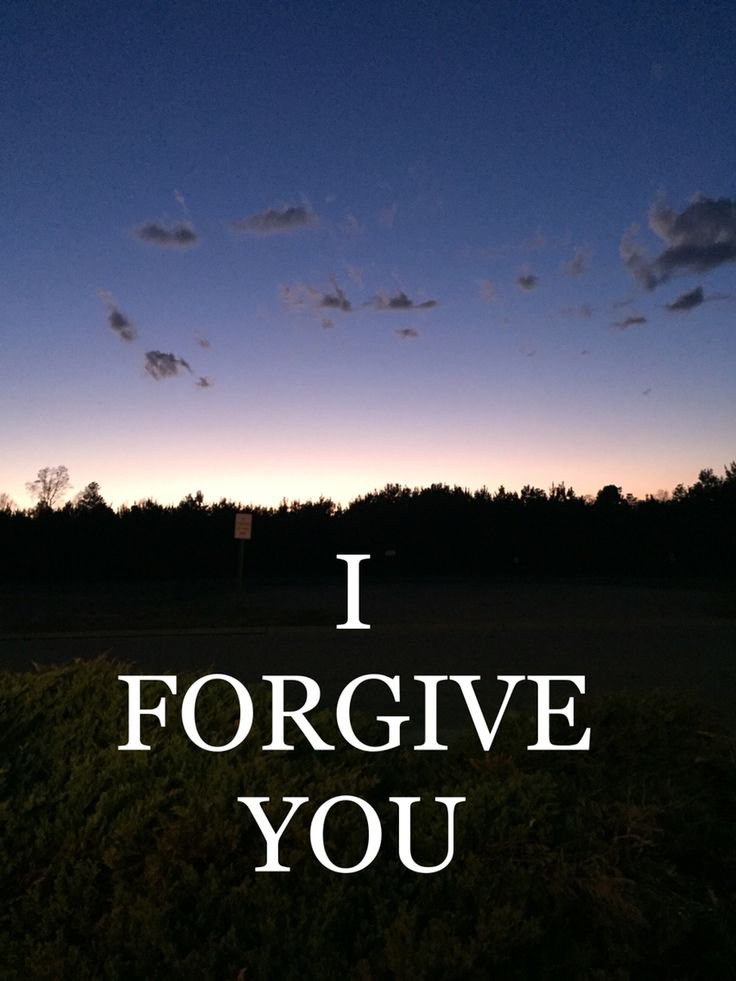
At the end of the day, forgiveness is not something you do for the other person.
It is something you do to set your own heart free.
2