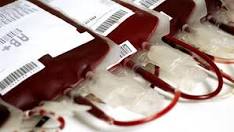
In a move that is already stirring controversy, Jehovah’s Witnesses have quietly adjusted their long‑standing stance on blood, now allowing members to store and later use their own blood for medical procedures. The practice, known as autologous transfusion, was long treated as off‑limits. Now, it is suddenly being framed as acceptable.
The denomination’s powerful Governing Body insists this is merely a “clarification,” not a reversal. But the practical effect is obvious: Witnesses can now have blood drawn in advance and preserved for surgeries where heavy blood loss is expected. For decades, such preoperative storage was discouraged as a violation of the biblical command to “abstain from blood.” Now, that line appears to be shifting.
Governing Body member Gerrit Lösch claims the decision came after extensive prayer and internal discussion, and he is putting the spotlight on “personal conscience.” According to him, each Witness must now decide for himself how his own blood will be used in medical and surgical care. On paper, it sounds like a new era of individual choice. In reality, the ban on donor blood remains firmly in place.
This is the same religious community that has long stood apart from mainstream Christianity over its refusal of blood transfusions, even in life‑or‑death emergencies. Their strict reading of certain Bible passages has led members to reject whole blood and major blood components from others, a stance that has sparked public outcry and legal battles around the world.
Over the years, the organization has slowly allowed more medical procedures that conserve blood, such as cell salvage during surgery and treatments like dialysis, as long as the blood stays in a continuous circuit with the body. The new green light for storing one’s own blood looks like the latest step in this gradual softening, even as leaders insist the core prohibition on donor blood is untouched.
Supporters inside the faith are already calling the change a practical, modern adjustment that could reduce complications and open up more treatment options. Critics, including some former members, see something very different: a half‑measure that still leaves Witnesses dangerously exposed when there is no time to plan ahead, such as in car crashes, sudden internal bleeding or other medical emergencies where autologous transfusion simply is not possible.
Medical experts point out that while using one’s own stored blood can lower the risk of infections and immune reactions, it is only realistic when there is time, infrastructure and planning. In many acute situations, they stress, donor blood is the only viable option. That is precisely what Jehovah’s Witnesses are still being told to refuse.
For a global religious community numbering in the millions, this “clarification” is being hailed by some as a historic shift and dismissed by others as cosmetic damage control. The organization is trying to present it as a careful balance between religious conviction, personal conscience and modern medicine. But the underlying question remains: is this a genuine step forward, or just a strategic tweak that leaves the most life‑threatening dilemmas unchanged?