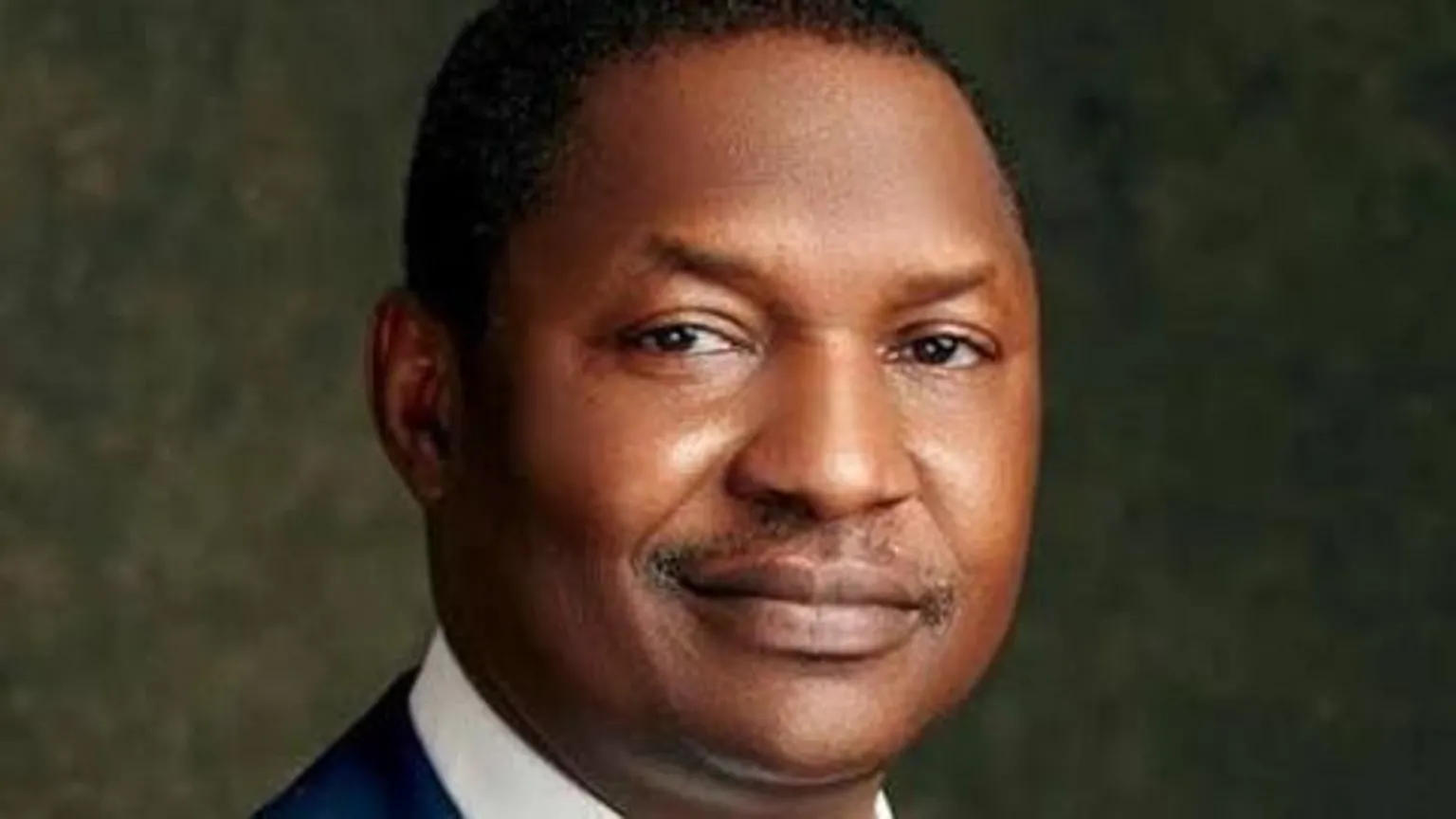
Nigerian prosecutors have withdrawn terrorism financing allegations against former attorney general and justice minister Abubakar Malami, narrowing a high-profile case that has gripped the country’s political and legal circles.
Malami’s lawyer, Adedayo Adedeji, told reporters outside a federal court in Abuja that an amended charge sheet had been served on the defence, removing all counts related to terrorism financing. The case will now proceed solely on accusations of unlawful possession of firearms.
According to the original indictment, Malami was accused of knowingly abetting terrorism financing by allegedly refusing to prosecute individuals whose case files, investigators said, linked them to funding extremist activities. Those claims have now been struck out by the prosecution.
The former minister and his son, Abdulaziz Malami, still face charges of intending to commit terrorism by allegedly keeping an unlicensed pistol and ammunition at their residence. Both men have pleaded not guilty to the firearms counts.
Lawyers representing the Department of State Services, Nigeria’s domestic intelligence agency, confirmed in court that the terrorism-related allegations had been dropped, while insisting that the firearms case remains active. The judge ordered that the amended charges be formally recorded before setting a new date for further hearings.
Malami, a powerful figure in the administration of former president Muhammadu Buhari, served as attorney general and justice minister for nearly eight years. During that period, Buhari’s government publicly championed an anti-corruption agenda, even as critics accused it of selective prosecutions.
The former minister is also battling a separate case brought by the Economic and Financial Crimes Commission. The anti-graft agency alleges that Malami, his wife and his son laundered billions of naira through a network of bank accounts and shell companies. He has denied any wrongdoing.
Malami was previously granted bail on the now-amended terrorism case, a decision that drew scrutiny from civil society groups who argued that the allegations warranted stricter custodial measures. With the terrorism counts now withdrawn, legal analysts say the prosecution’s case has been significantly weakened, though a conviction on firearms or money-laundering charges could still carry substantial penalties.
The proceedings against Malami unfold alongside separate trials of other senior officials from the Buhari era, including former central bank governor Godwin Emefiele and ex-labour minister Chris Ngige, underscoring the deepening legal reckoning facing members of the previous government.