Title: Analysis of Three Fire Incidents in FCT Resulting in ₦650 Million Loss
Within a 32-hour period in the Federal Capital Territory, three major fire incidents resulted in an estimated ₦650 million in property losses, according to data released by the Federal Fire Service.
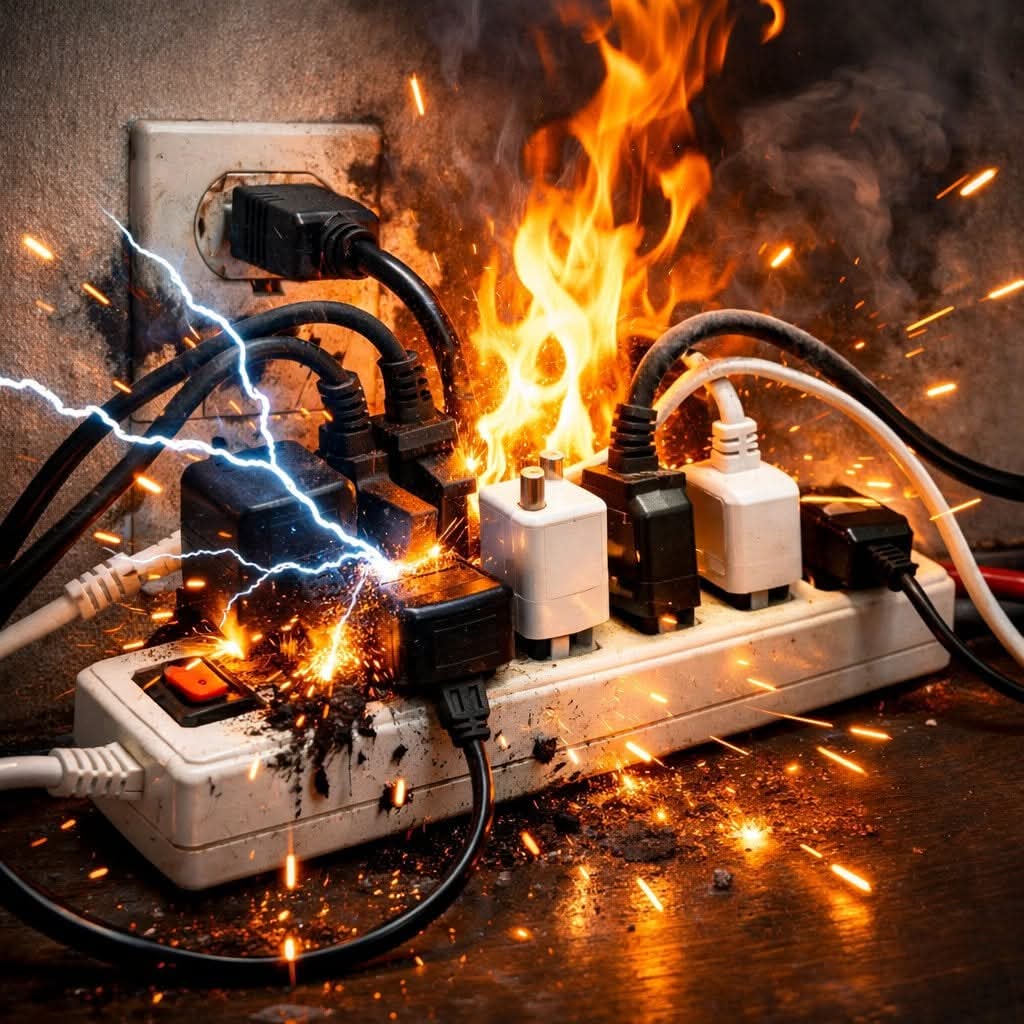
The incidents occurred at Leventis Plaza, Kugbo Furniture Market, and Corner Shops on Chalyx Close, off Abacha Road in the Maraba area along the Abuja–Keffi axis. Preliminary assessments by the Federal Fire Service attribute all three fires to suspected electrical surges and overloading.
The Maraba incident, the most recent, affected six retail outlets in a commercial cluster serving commuters between Nasarawa State and the FCT. The fire was reported at 02:51 hours by a police officer to the Federal Fire Service National Headquarters, Garki Station. The Station Commander deployed response teams, with Nyanya Fire Station providing backup.
On arrival, a substantial portion of the affected shops was already on fire. The Federal Fire Service linked the scale of damage to the time lag between ignition and the emergency call. The service reported that property valued at approximately ₦100 million was saved out of an estimated ₦400 million exposed at the scene.
Less than 14 hours earlier, a separate fire occurred at Kugbo Furniture Market, a major hub for furniture production and sales. The fire destroyed multiple workshops and showrooms constructed largely with combustible materials, including wood and plywood. Stored items such as finished furniture, raw materials, foam, chemicals, and fittings contributed to fire intensity and spread. Firefighters worked for several hours to prevent escalation to nearby fuel stations and other commercial facilities along the Abuja–Keffi corridor.
Approximately 18 hours before the Kugbo incident, another fire was recorded at Leventis Plaza, a commercial complex in the FCT. The fire affected parts of the building containing offices, warehouses, and retail outlets. According to the Federal Fire Service, coordinated efforts with other emergency responders confined the fire to a section of the complex, limiting potential losses.
Across the three incidents, the Federal Fire Service estimates that while about ₦650 million in property was lost, property valued at over ₦2.8 billion was preserved due to intervention efforts. The service identifies suspected electrical surges, aging infrastructure, illegal connections, and circuit overloading as recurring risk factors.
The Controller-General of the Federal Fire Service, Olumode Samuel Adeyemi, classified the incidents as largely preventable and linked them to non-compliance with basic electrical and fire safety practices. He highlighted persistent issues such as overloading of sockets and extension boxes, use of substandard electrical materials, illegal connections, makeshift wiring in markets and residential areas, and leaving appliances running in unattended premises.
The Federal Fire Service recommended systematic safety measures, including regular electrical and fire safety checks, use of qualified electricians for installations, and provision of basic firefighting equipment such as extinguishers and sand buckets in strategic locations within markets, estates, and commercial facilities.
The service also emphasised the operational importance of early reporting. It noted that delayed emergency calls increase the scale of damage by allowing initially small fires to develop into large incidents. Members of the public were advised to report fire outbreaks and related emergencies through the Federal Fire Service emergency line for immediate response.
Fire safety experts cited in the report argue that the pattern of incidents in the FCT indicates a need for expanded public education on electrical safety, particularly in high-risk environments such as markets, shopping plazas, informal settlements, and mixed-use buildings. They further recommend stricter enforcement of building codes, routine inspection of public facilities, and sanctions for non-compliance with safety regulations to reduce the frequency and impact of similar fire events.