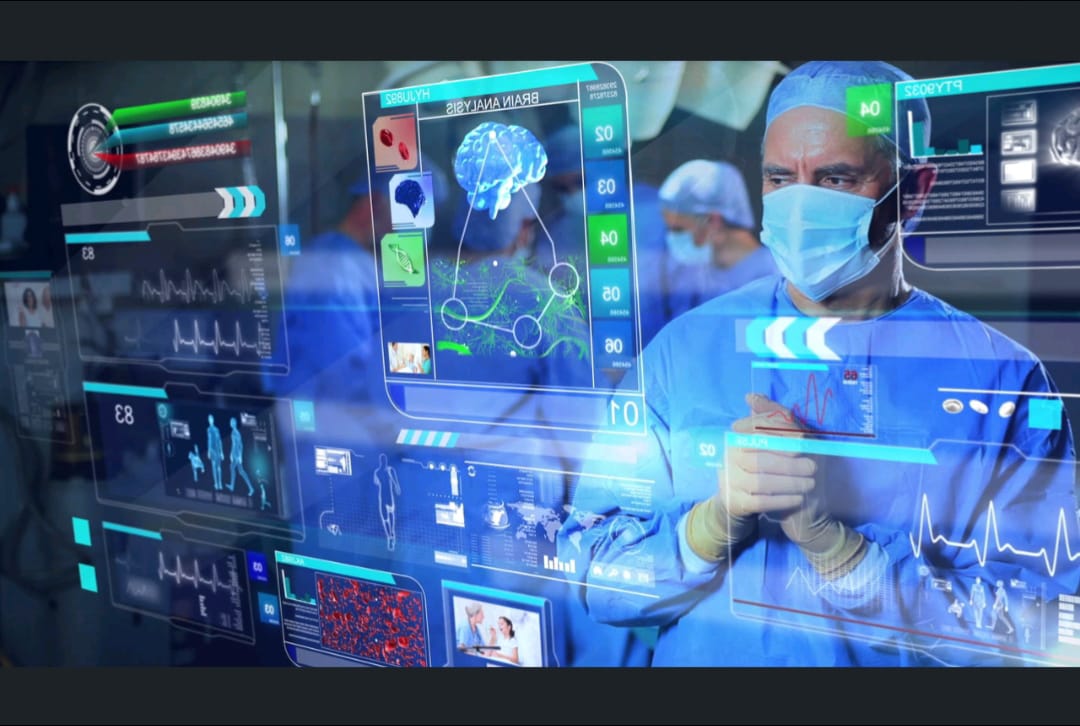
Science and technology have played a major role in improving human life in many ways. One important aspect of science and technology is medical and health technology. Medical technology refers to the application of scientific knowledge, tools, machines, and procedures used to prevent, diagnose, and treat diseases. Over the years, developments in medical technology have transformed healthcare systems around the world, making it possible for doctors and healthcare professionals to provide faster, safer, and more effective treatments. Medical and health technology has also contributed significantly to the improvement of life expectancy and the general well-being of people in society.
Development of Medical and Health Technology
The development of medical technology has evolved over many decades through continuous scientific research and innovation. In the past, many diseases were difficult to diagnose and treat because of the lack of proper medical equipment and knowledge. However, with the advancement of science and technology, new medical tools and machines have been developed to improve healthcare delivery.
Modern hospitals now use advanced equipment such as X-ray machines, ultrasound scanners, CT scans, and laboratory testing devices to detect diseases accurately. These technologies help doctors examine the internal parts of the human body without performing major surgical procedures. As a result, medical professionals can identify health problems earlier and begin treatment before the disease becomes severe.
Importance of Medical Technology in Healthcare
Medical and health technology plays a very important role in improving the quality of healthcare services. One of the major contributions of medical technology is in disease diagnosis. Advanced diagnostic equipment allows doctors to detect illnesses quickly and accurately. Early detection is very important because it increases the chances of successful treatment and recovery.
Another important benefit of medical technology is the improvement of treatment methods. Scientific research has led to the discovery of modern medicines such as antibiotics, vaccines, and advanced surgical procedures. These developments have helped reduce the spread of infectious diseases and improve the success rate of many medical treatments.
Medical technology has also improved patient monitoring and hospital management. Digital systems such as electronic health records allow hospitals to store and manage patient information more efficiently. Healthcare professionals can easily access medical records, track patient progress, and provide better care.
Telemedicine and Modern Health Communication
In recent years, the development of telemedicine has further transformed healthcare services. Telemedicine allows doctors to communicate with patients through digital platforms such as video calls, mobile applications, and online medical systems. This technology has made it easier for patients to receive medical advice and treatment without necessarily visiting a hospital physically.
Telemedicine is particularly beneficial for people living in rural or remote areas where access to healthcare facilities may be limited. Through this technology, patients can consult medical professionals, receive prescriptions, and obtain health information more conveniently.
Challenges of Medical and Health Technology
Despite the many benefits of medical technology, there are also some challenges associated with its use. One major challenge is the high cost of modern medical equipment and treatments. Many developing countries find it difficult to afford advanced medical technologies due to limited financial resources.
Another challenge is the issue of data privacy and security. Since many hospitals now use digital systems to store patient information, there is a need to protect these records from unauthorized access or misuse. In addition, healthcare professionals must be properly trained to operate advanced medical equipment to ensure safe and effective use.
Medical and health technology improves patient outcomes by enabling faster, more accurate diagnoses, reducing medical errors, and increasing access to care through telemedicine. It enhances operational efficiency, streamlines workflows, and lowers long-term costs through Electronic Health Records (EHR) and automation.
Key advantages of medical and health technology include:
Improved Diagnosis and Treatment: Advanced imaging (MRI, CT scans) and Artificial Intelligence (AI) allow for earlier, more precise diagnosis and treatment, reducing the need for invasive procedures.
Enhanced Patient Safety: Technology reduces human errors in medication dispensing and clinical decision-making, with some systems reducing medication errors by up to 83%.
Telehealth and Remote Access: Patients can consult with specialists via virtual platforms and monitor conditions at home (e.g., glucose monitors), increasing access for rural or immobile populations.
Operational Efficiency & Data Management: Electronic Health Records (EHRs) offer instant access to patient history, reducing paperwork and enhancing coordination among healthcare providers.
Innovative Research & Care: 3D printing enables custom implants and prosthetics, while AI and big data facilitate the rapid development of new vaccines and drugs.
Enhanced Quality of Life: Wearable devices and monitoring technology enable better management of chronic diseases and allow patients to live more independently.
Conclusion
In conclusion, medical and health technology is a vital aspect of science and technology that has greatly improved healthcare systems across the world. Through the development of modern diagnostic tools, advanced treatments, and digital health systems, medical technology has made it possible to prevent, detect and treat diseases