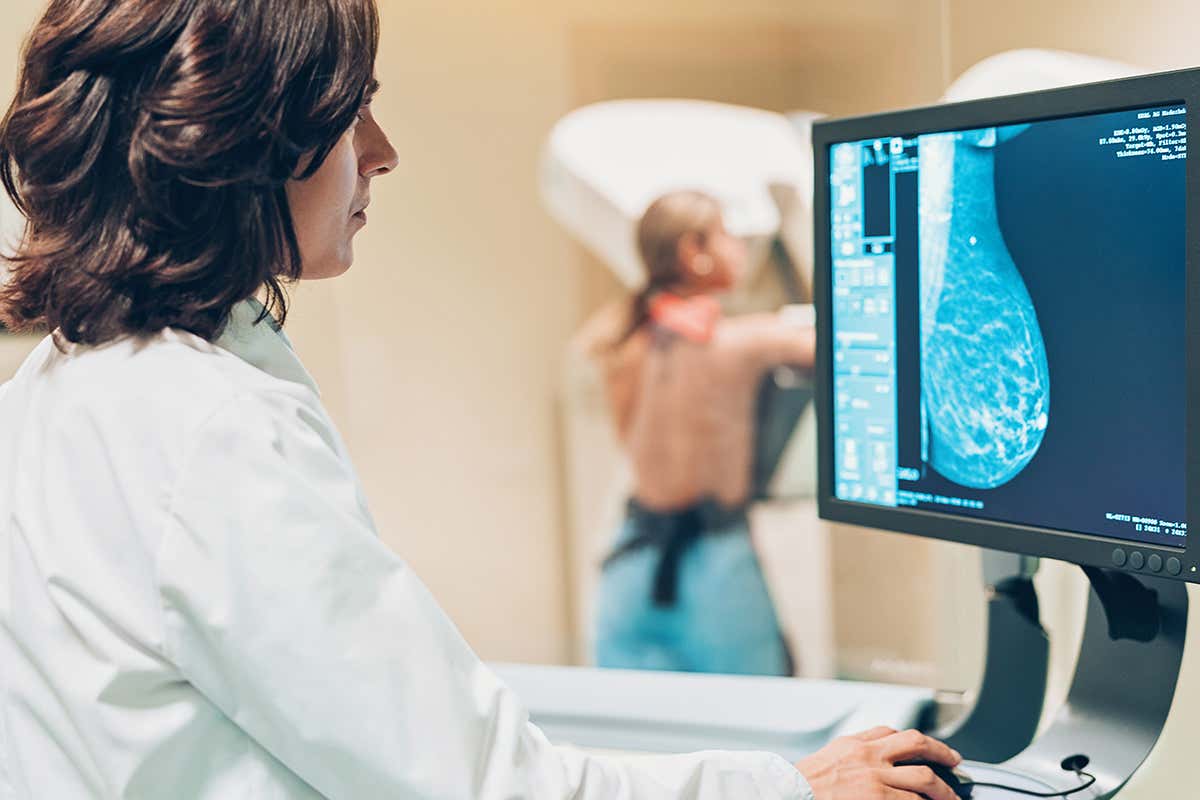
Imagine a world where a routine mammogram could predict your risk of developing breast cancer before the disease even shows symptoms. Thanks to artificial intelligence (AI), this is no longer science fiction. It’s happening in hospitals and screening centers worldwide.
Breast cancer is one of the leading causes of cancer-related deaths among women globally. Early detection is critical, yet traditional mammography has limitations. Subtle tumors can be missed, radiologists are overworked, and aggressive cancers can appear between screenings. These are known as interval cancers.
AI is changing that.
How AI is Revolutionizing Breast Cancer Detection
A landmark study in the United Kingdom used a deep-learning AI algorithm called Mirai to analyze over 134,000 mammograms. The results were remarkable. Women identified in the top 20% risk score group accounted for 42% of interval cancers. This means AI can identify high-risk patients for earlier imaging or more frequent screenings, giving them a crucial head start in treatment.
Meanwhile, a world-first randomized trial in Sweden confirmed AI’s real-world impact. Over 100,000 women underwent routine breast scans, with AI-assisted readings compared to traditional double radiologist checks. The findings were:
- 9% more cancers were detected in the AI group
- 12% reduction in interval cancers over two years
- Radiologists spent half the time reading scans These results show that AI isn’t just faster; it’s smarter.
So, how does AI do it?
Using advanced algorithms, AI examines each mammogram for:
- Breast density
- Subtle tissue changes that are invisible to the human eye
- Tumor patterns from previous scans
From this, AI generates a personalized risk score, allowing clinicians to:
- Recommend supplemental imaging, such as MRI or contrast-enhanced mammography
- Shorten screening intervals for high-risk patients
- Prioritize cases for radiologists, reducing workload and fatigue
In essence, AI transforms routine scans into tools for personalized care.
Why This Matters
Early detection of breast cancer dramatically improves survival rates. By using AI, healthcare systems can:
- Detect cancers earlier, when treatment is most effective
- Reduce missed cancers between screenings (interval cancers)
- Optimize radiologist workflow and reduce burnout
- Provide personalized screening schedules for women at higher risk
AI-supported mammography could change screening programs worldwide, making early detection more reliable and efficient.
Challenges and Considerations
Despite the promise, experts urge caution:
- Human oversight is critical. AI can make errors or false positives; radiologists must review findings.
- Cost and accessibility remain concerns. Advanced AI systems are still expensive and may not be available everywhere.
- Continuous monitoring is necessary. Screening programs must ensure AI tools stay safe and effective over time.
AI is a powerful assistant, not a replacement. It keeps human expertise at the center of patient care.
A New Era of Screening
AI is not just assisting radiologists. It is reshaping breast cancer care from detection to prevention. Future possibilities include:
- Even more accurate risk prediction models
- Integration with genetic and lifestyle data for personalized health planning
- Resource optimization in hospitals and clinics
- Reduced mortality through earlier intervention
For millions of women, AI means hope, earlier detection, and better outcomes. What once took years of training and human experience, AI now accomplishes in seconds, all while keeping the human clinician in control.