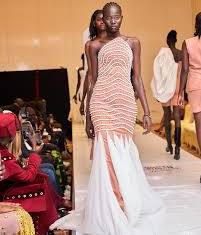
In a modest hall in Juba, a portable speaker crackles to life and a makeshift catwalk appears down the centre of the room. Young men and women balance books on their heads, shoulders back, eyes fixed ahead, rehearsing the walk they hope will carry them far beyond South Sudan’s borders.
The country, better known for conflict and displacement, has quietly become one of the world’s richest hunting grounds for modelling talent. International agencies scour refugee camps and dusty neighbourhoods for the next Alek Wek or Awar Odhiang, South Sudanese stars who have walked for luxury houses and fronted global campaigns.
Those success stories echo loudly in Juba. At local agencies such as Jubalicious, aspiring models learn how to turn, pose and command a runway in Paris, Milan or London, even if they have never left the capital. Trainers drill them on posture and timing, but also on resilience in an industry that prizes novelty and can discard talent overnight.
For many, modelling is more than a dream of glamour. In a country where most people live in poverty, a single successful season can transform an entire family’s prospects. Fees from a handful of shows can pay school fees for siblings, build a brick house or support relatives still in camps.
Yet the path from Juba’s practice rooms to Europe’s catwalks is often blocked long before take-off. Visa refusals have become a defining obstacle, even for models with signed contracts and confirmed bookings.
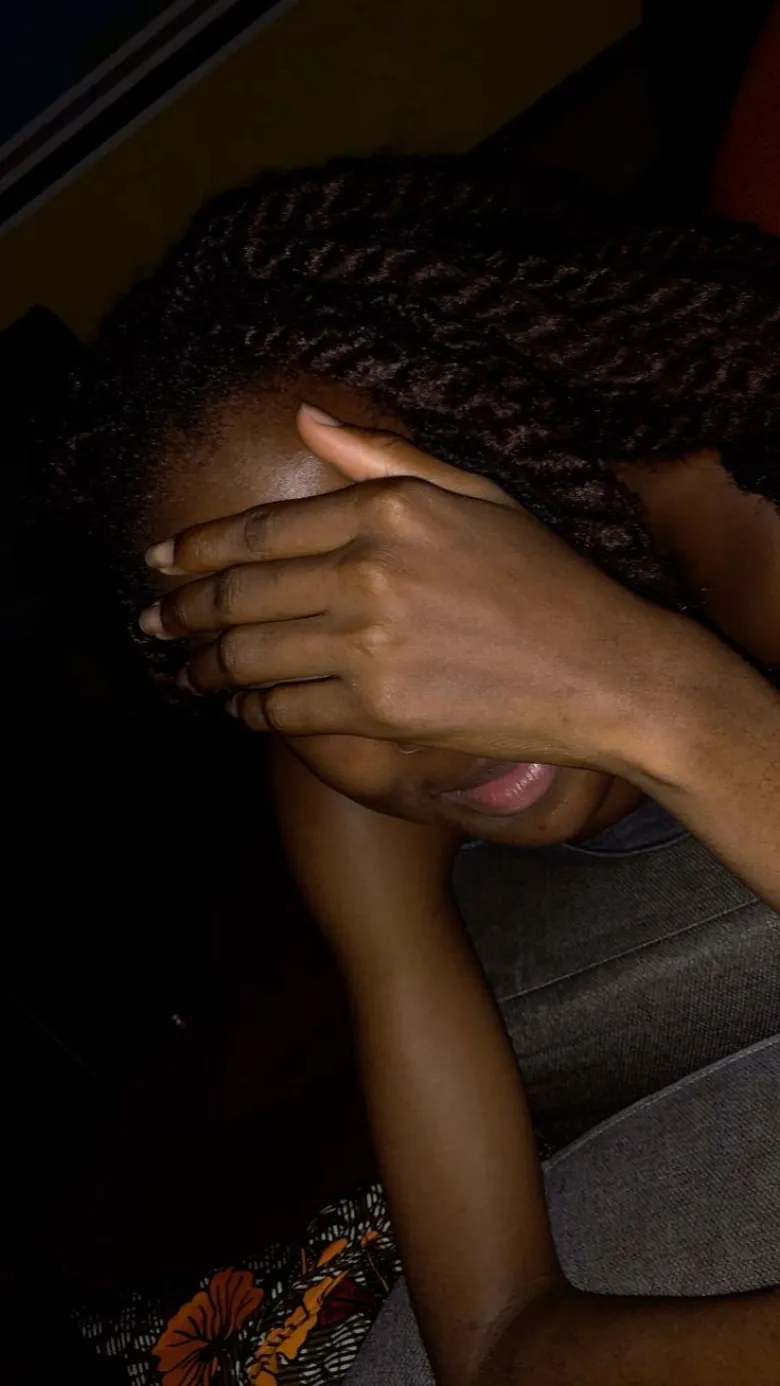
Nineteen-year-old Yar Agou spent months preparing for Milan Fashion Week, only to see her plans collapse at the embassy counter. Her visa was rejected days before her flight. Instead of fittings and castings, she now scrubs floors as a cleaner in Juba, saving what she can and clinging to the hope that another chance will come.
Others share similar stories. Bichar Hoah, who grew up in Kenya’s Kakuma refugee camp, was shortlisted for work in Europe but also failed to secure a visa. The rejection stung all the more because it came after years of training and sacrifice.
Even for those who do make it abroad, the struggle continues. The global fashion industry is relentless in its search for “new faces”, and South Sudanese models must fight to turn a single season into a lasting career.
Still, the evening rehearsals in Juba do not stop. Each practiced stride is an act of defiance against bureaucracy and circumstance, and a statement of intent: to carry South Sudan’s story onto the world’s biggest fashion stages.