Electricity shortages forcing remote tech workers to spend heavily on personal power, eroding productivity in Nigeria's growing digital workforce
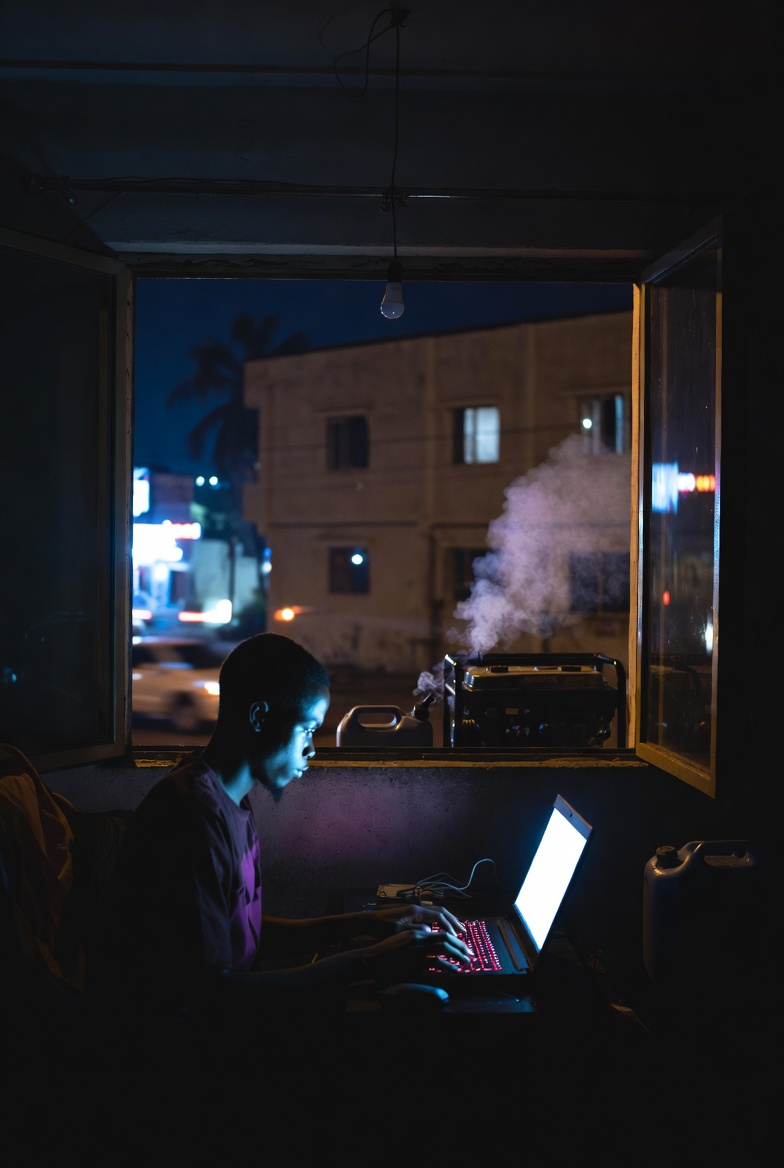
Chidi's laptop fan whirred like a trapped insect as the national grid failed for the third time that afternoon. In his one-bedroom flat in Surulere, the inverter clicked to life—bought last month after the old one died mid-Zoom call. Diesel for the small generator outside cost ₦85,000 this week alone. Fuel hikes had turned backup power into a second rent.
He was debugging code for a fintech in London, deadline 8 PM WAT. The client paid in dollars, but every outage stole minutes, then hours. Colleagues in Nairobi joked about "African time"; Chidi knew it was African power. No employer covered gen fuel or Starlink bills. He paid it all—₦390,000 some months when blackouts stretched long.
Tonight the grid stayed down. He lit the gen, exhaust mixing with neighbour's suya smoke. The inverter drained fast; he rationed lights, killed background apps. Halfway through a pull request, the screen flickered. Low battery warning. He cursed, switched to phone hotspot—data depleted yesterday, refilled at triple cost.
By 7:45 PM, code committed. Client messaged: "Solid work, but response lag noted." Chidi stared at the generator's red glow through the window. Lagos pulsed outside—neon signs, danfo horns—but inside, progress ran on fuel he could barely afford.
He messaged his team lead: "Power issues again. Adding buffer next sprint." Reply: “Understood. Keep pushing.”
Chidi shut the gen off to save diesel for tomorrow. Darkness settled. In the quiet, he heard other machines coughing to life across the compound. Nigeria's tech dream wasn't dying. It was just running on borrowed hours, paid in fuel and frustration.