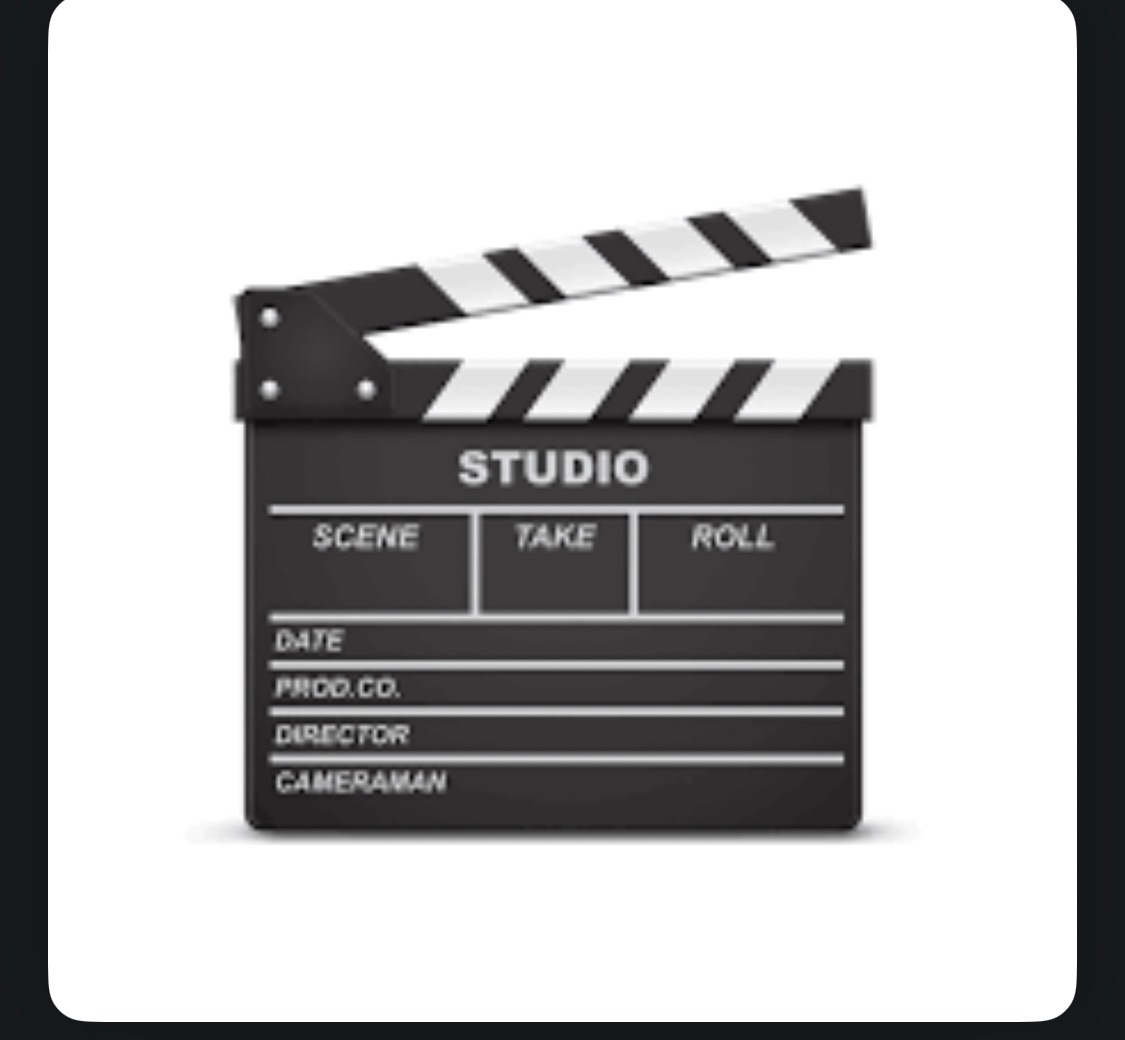
The clapperboard was a creature of rhythm, waiting in the shadows for its three seconds of glory. To the director, it was a data point; to the editor, a visual anchor. But to the board itself, it was the conductor of a silent orchestra.
It spent most of its life in the "waiting," tucked under a distracted assistant’s arm while actors flubbed lines and lighting technicians fought with stubborn shadows. It endured the scorching heat of desert shoots and the misty dampness of midnight alleys, its hinges growing stiff, its chalk-dusted face recording a thousand failed attempts at perfection.
Then, the air would shift. The frantic energy of the set would coalesce into a singular, vibrating tension.
"Quiet on set!"
The board was hoisted into the frame, a bold interloper between the lens and the leading lady’s tear-streaked face. It displayed its identity with pride: SCENE 24 – TAKE 8.
"Speed," the sound mixer barked.
"Marker!"
Snap.
The sharp, wooden crack echoed through the rafters, a definitive punctuation mark that sliced through the mundane. In that momentary collision of wood on wood, the real world vanished. The board stepped back into the darkness, satisfied, as the camera began to drink in the lie that would soon become cinema.
10