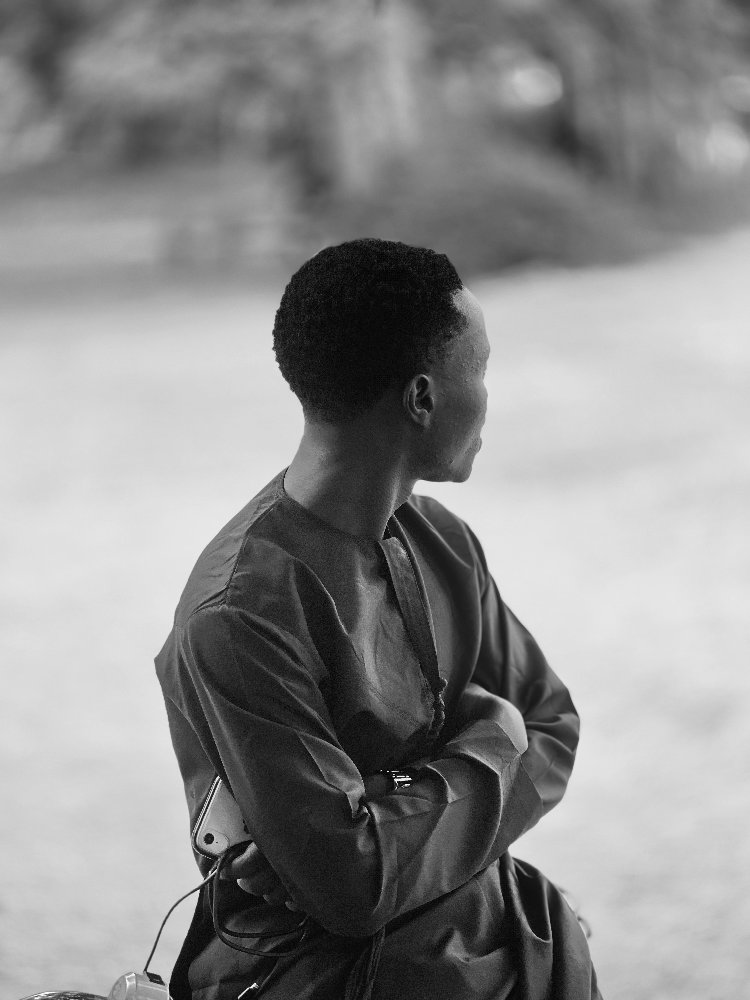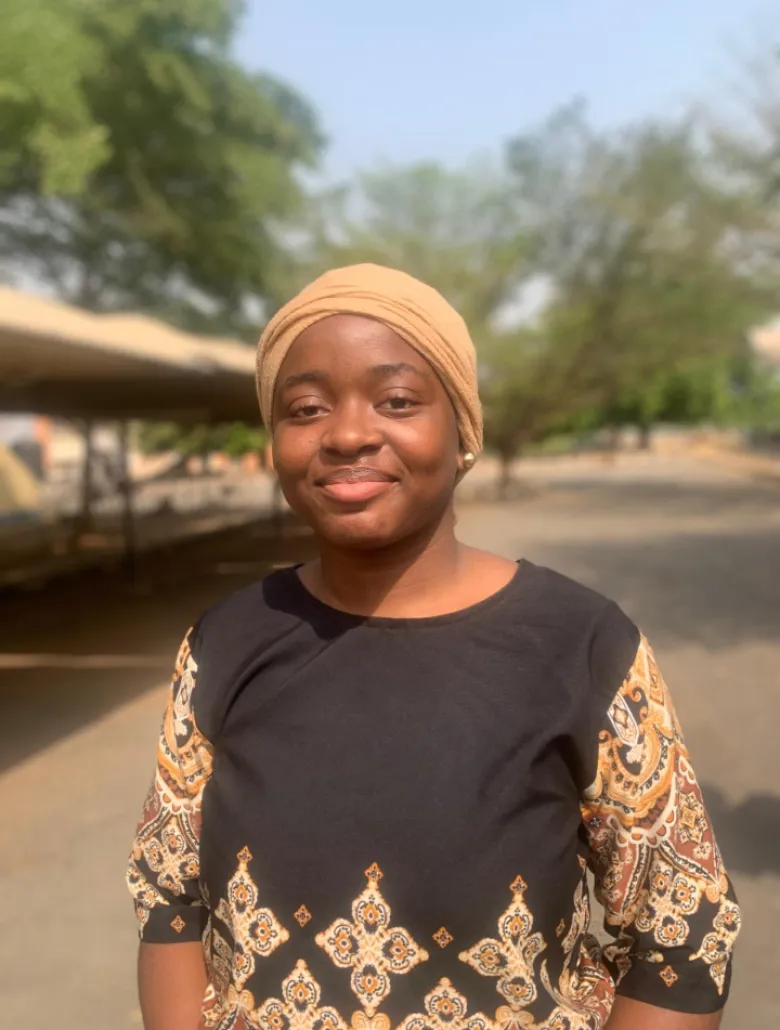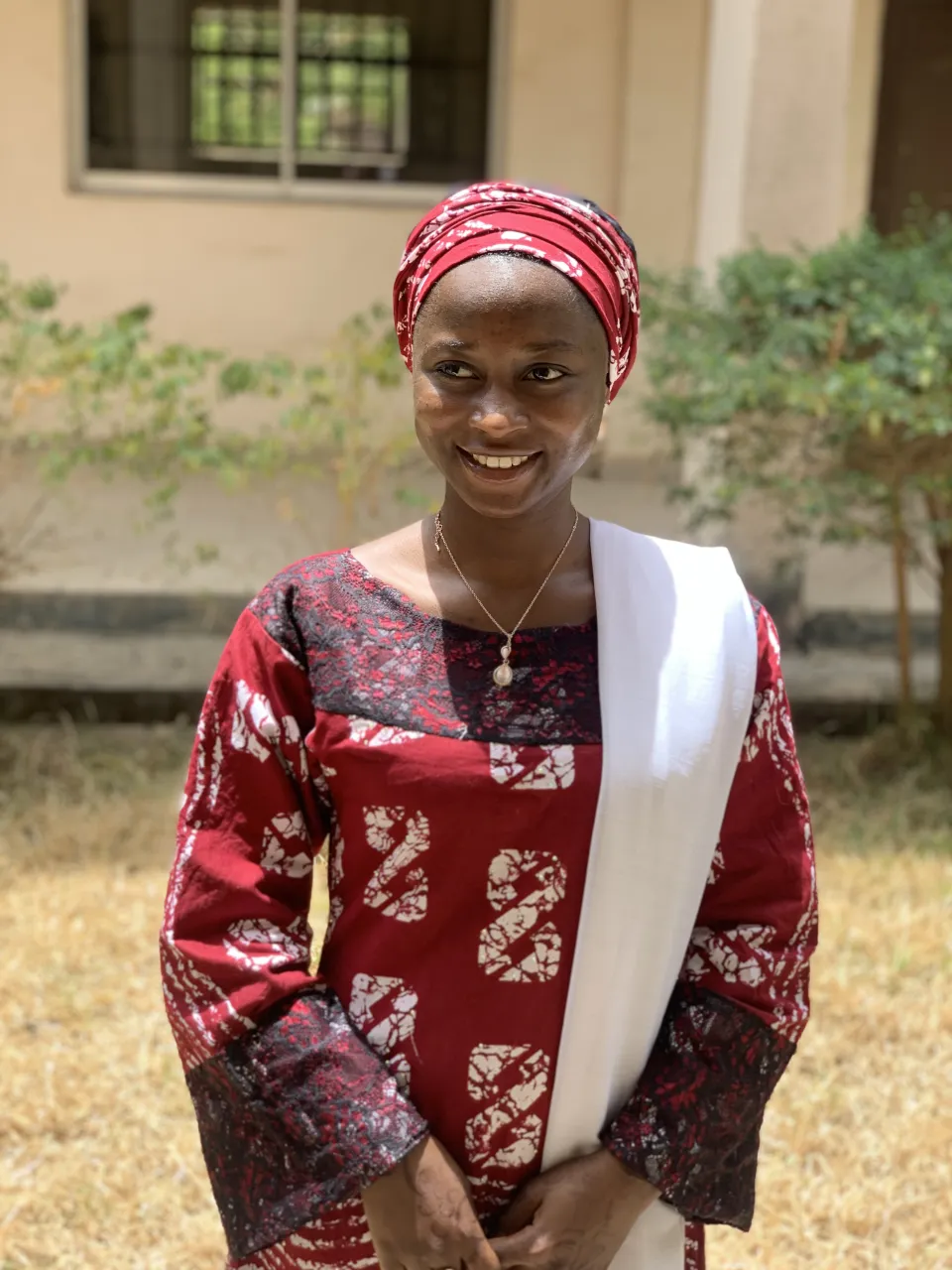
Juniper "June" Choi hides her anxiety behind smiles and hurried laughter. Sleepless nights spent cramming for AP classes and panic attacks during crowded lunch breaks are her normal. But when her best friend, Eli, collapses in the hallway clutching a failed chemistry test, his shaking hands unable to hold back his tears, June knows something has to change.
Brookside High is far from supportive. Its single counselor barely keeps up with 1,200 students, and its “Wellness Corner” is nothing more than a dusty shelf filled with outdated pamphlets. When Eli’s parents plead for accommodations, the vice principal shrugs. “Stress builds character.”
June’s anger doesn’t explode; it simmers into action. She starts a hashtag: #BuildBetterBrookside . At first, it’s just her and Eli posting confessions about sleepless nights and the crushing pressure to succeed. Then a freshman comments, “I thought I was the only one.” June realizes they’ve struck a nerve.
She recruits Aisha, an art student who turns frustration into bold protest posters, and Diego, a soccer captain whose sister left school after battling depression. Together, they form the Brookside Mental Health Alliance (BMHA). Their demands are simple: hire more counselors, train teachers on mental health awareness, and create a student-run wellness space.
Resistance meets them at every turn. The school board labels them “dramatic kids,” while a teacher mutters during their presentation, “We didn’t need ‘safe spaces’ in my day.”At home, June’s father worries, “Why risk everything? Keep your head down.” But June can’t not with Eli skipping classes and drifting further away.
During a pep rally, June grabs the mic. Her voice rises over the cheering crowd. “You want school spirit? Then care about the students drowning in it.”Behind her, Aisha projects anonymous confessions onto the gym wall: “I cry every morning.” “I wish someone would see how much I hurt.The crowd falls silent, the stories cutting through the noise.
The administration agrees to a trial “Wellness Wednesday,” complete with therapy dogs and a guest counselor. But June pushes further, organizing a walkout of 300 students marching to the district office. They carry signs like “MY GPA IS NOT MY WORTH” and “WE NEED HELP, NOT HEROICS.” Eli speaks at the rally, sharing how panic attacks have made him feel “like a ghost in my own life.”
The district finally funds a second counselor, and a retired teacher donates her empty classroom, which becomes the school’s first wellness center. Students flock to the space—to talk, to meditate, to simply breathe.
But the victory comes at a price. June’s grades drop, her parents worry, and sleepless nights blur her focus. One evening, Diego finds her sitting in the wellness center, tears streaking her face. “You can’t light yourself on fire to keep us warm,” he says gently.
It takes time, but June learns to listen. She begins using the space she fought for, finally admitting she can’t pour from an empty cup.
At the wellness center’s grand opening, June unveils Aisha’s mural: a phoenix rising from handwritten student struggles. _“This isn’t the end,”she tells the crowd. “It’s just the beginning. We shouldn’t have to be brave to ask for help. Maybe now, Brookside won’t let us drown in silence anymore".