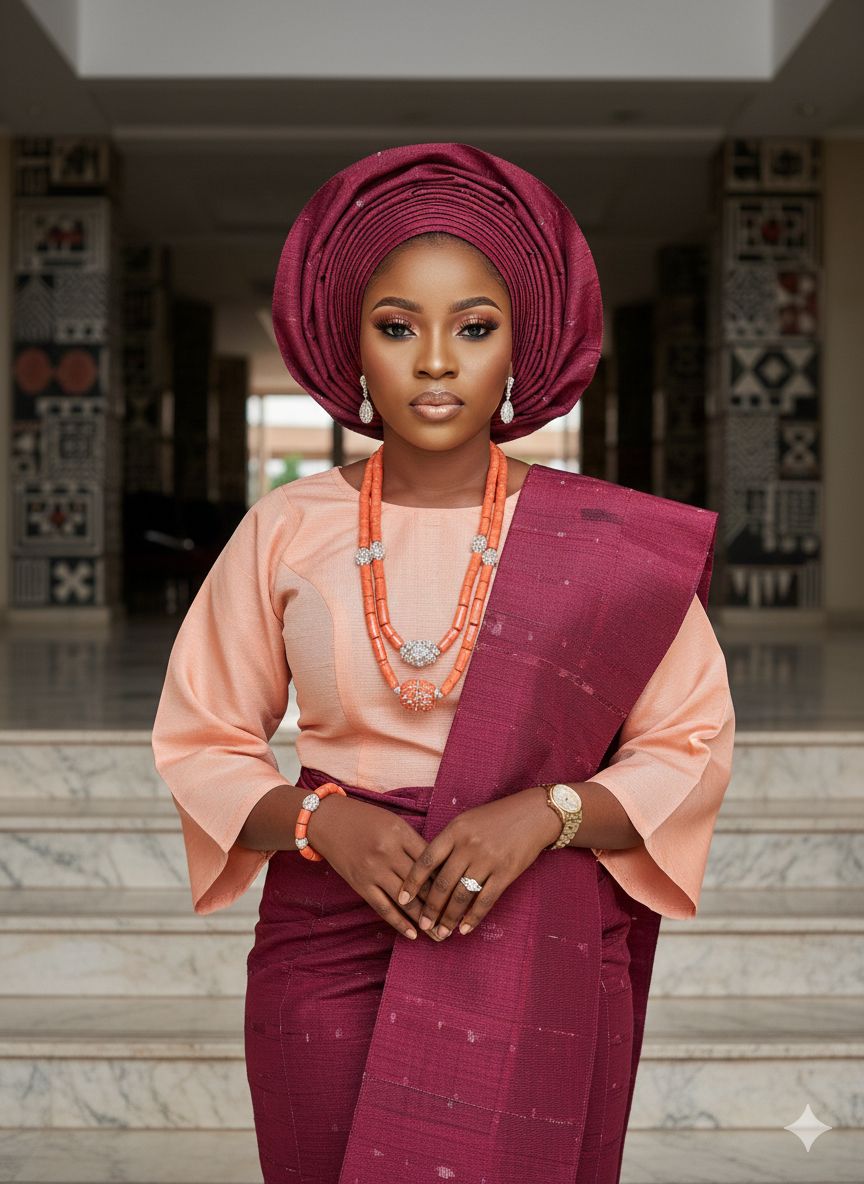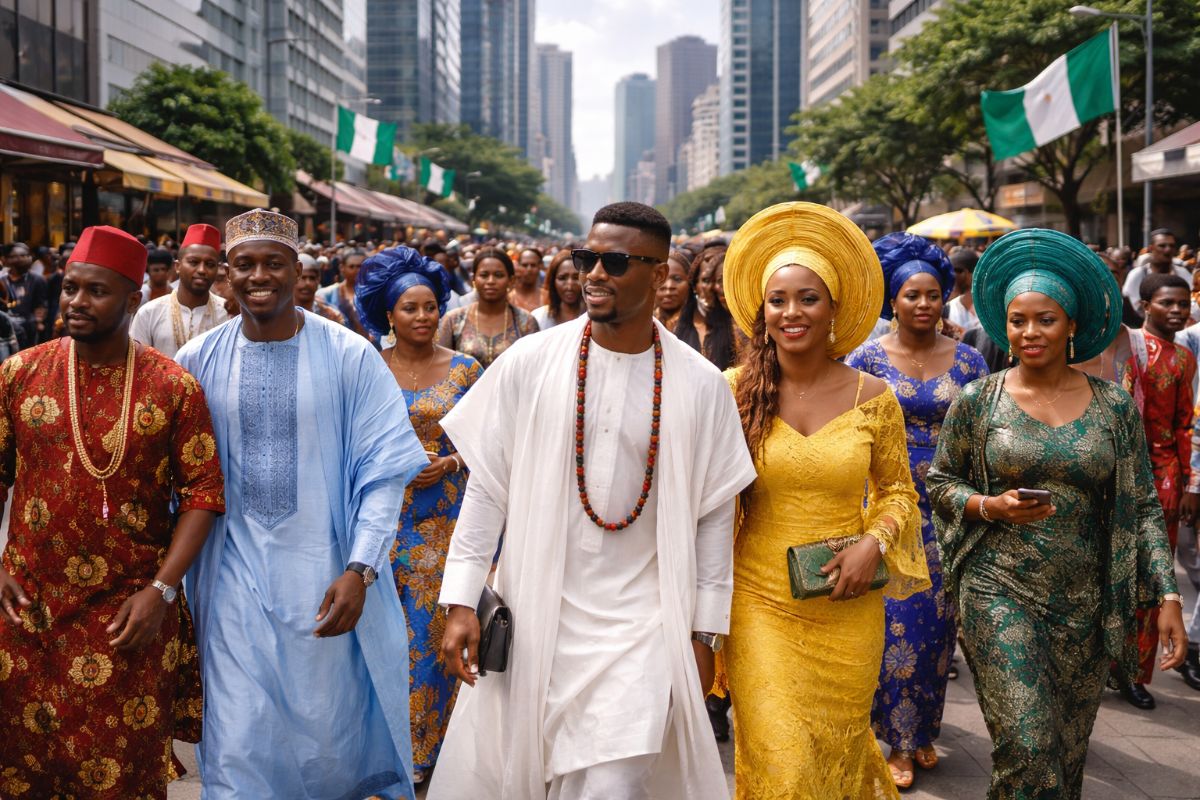
Imagine waking up one morning in Nigeria and discovering that everyone from bankers in Lagos to teachers in Kano, tech workers in Abuja, and traders in Port Harcourt had collectively decided to wear only Nigerian traditional attire.
Suddenly, the streets would become living museums of culture. Flowing agbadas, colorful ankara, elegant aso-oke, majestic babban riga, and beautifully tied gele would replace the usual suits, jeans, and corporate skirts.
Offices would look less like copies of Western workplaces and more like proud expressions of Nigerian identity.
But beyond the beauty, what would really change?
First, our economy would feel the impact immediately. Thousands of tailors, fabric sellers, designers, and textile producers would experience massive growth. Local fabrics like adire, akwete, and aso-oke would no longer be occasional ceremonial materials they would become everyday necessities. Instead of importing fashion trends, we would be exporting them.
Second, our cultural confidence would grow. For decades, many Nigerians have subconsciously associated Western clothing with professionalism and prestige. But if traditional wear became normal in boardrooms, classrooms, and government offices, it would quietly challenge that mindset. Culture would no longer be something we reserve for weddings and festivals it would become part of our daily identity.
Third, young people would begin to learn the stories behind the clothes. Many traditional garments carry deep meaning symbols of status, history, and heritage. Wearing them daily might spark curiosity:
Where did this style come from?
Why is this pattern important?
What does this color represent?
In that process, fashion would become a gateway to cultural education.
Of course, there would be challenges. Traditional outfits can sometimes be less convenient for certain jobs, and adapting them for modern work environments would require creativity. Designers would need to blend tradition with practicalitylighter fabrics, simpler cuts, and styles suited for everyday movement.
But perhaps the biggest change would be psychological.
Nigeria is a country rich in culture yet often quick to imitate foreign standards. If we all embraced traditional wear daily, it would send a quiet but powerful message: our culture is not outdated it is valuable, modern, and worthy of pride.
In the end, clothing is more than fabric. It is identity stitched together.
So the real question is not “What if we switched to Nigerian traditional wear?”
The real question is: What would happen if we truly started believing in the value of our own culture? 🇳🇬✨