SCIENCE AND TECHNOLOGY REPORTING CONTINOUS ASSESSMENT BY DR OLUNIFESI SURAj.
By Olagunju Peculiar/ 300 level Mass Communication Student Of UNILAG.
Behind the Screen: How Social Media Algorithms Decide What You See
Every day, millions of people wake up and instinctively reach for their phones. With a simple swipe, we are pulled into Instagram reels, TikTok videos, trending tweets, and YouTube recommendations. What many users do not realise is that what appears on their screen is not random. Behind every post, video, and recommendation is a powerful system quietly working in the background: the social media algorithm.
Social media algorithms have become one of the most influential technologies of the digital age. They shape what we watch, what we like, what we believe, and sometimes even how we feel. Understanding how these algorithms work is important, especially for young people who spend a large part of their daily lives online.
What Is a Social Media Algorithm?
In simple terms, an algorithm is a set of rules or instructions that a computer follows to solve a problem. On social media platforms, algorithms are used to decide what content each user sees on their feed.
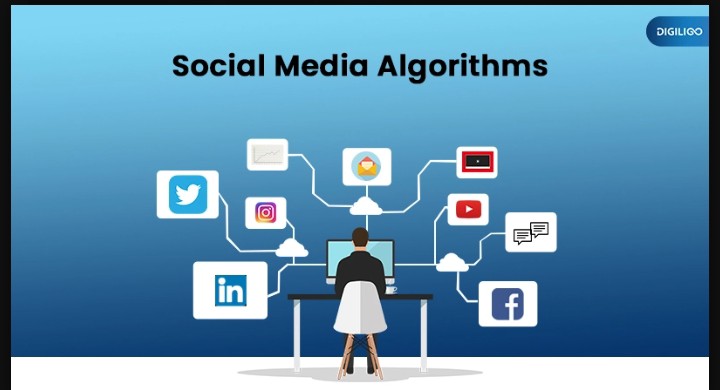
Platforms such as Instagram, TikTok, X (formerly Twitter), and YouTube do not show posts in chronological order anymore. Instead, they use algorithms to predict what content a user is most likely to engage with. The goal is to keep users on the app for as long as possible.
How Do Social Media Algorithms Work?
Social media algorithms rely heavily on user behaviour. Every action taken on an app sends information back to the platform. This includes likes, comments, shares, saves, watch time, search history, and even how long a user pauses on a post.
For example, if a user frequently watches fashion-related videos, the algorithm assumes that fashion content is interesting to them. As a result, more fashion videos will appear on their feed. The more the user engages with similar content, the more the algorithm reinforces this pattern.
Machine learning plays a major role here. Algorithms constantly learn from user behaviour and adjust recommendations in real time. This is why a person’s social media feed can feel highly personalised, almost as if the app “knows” them.
The Science Behind the Screen
At the core of social media algorithms is data science. Platforms collect massive amounts of data from millions of users. This data is analysed using artificial intelligence and machine learning models to identify patterns in human behaviour.
Psychology also plays an important role. Algorithms are designed to prioritise content that triggers emotional responses such as excitement, anger, happiness, or curiosity. Research has shown that emotionally charged content is more likely to be shared, which increases engagement and keeps users active on the platform.
From a business perspective, this system benefits social media companies. The longer users stay online, the more advertisements they see, and the more profitable the platform becomes.
Effects on Young People
While social media algorithms can be helpful, they also have significant effects on young people. One major concern is attention span. Short-form videos and constant content recommendations can make it difficult for users to focus for long periods offline.
Another issue is mental health. Algorithms often promote content that fits beauty standards, luxury lifestyles, or unrealistic success stories. Constant exposure to such content can lead to comparison, low self-esteem, and anxiety among young users.
Algorithms can also influence opinions and beliefs. When users repeatedly see content that aligns with their views, they may become trapped in “echo chambers” where opposing perspectives are rarely shown. This can limit critical thinking and increase polarisation in society.
The Positive Side of Algorithms
Despite these concerns, social media algorithms are not entirely negative. They help users discover new creators, educational content, and communities they may never have found otherwise. Many small businesses, influencers, and creatives rely on algorithms to reach wider audiences without expensive advertising.
Educational content has also benefited from algorithmic promotion. Tutorials, news explainers, and skill-based videos can spread quickly and reach millions of learners around the world.
When used intentionally, algorithms can be powerful tools for growth, learning, and connection.
The Dark Side of Control
The main problem arises when users are unaware of how much control algorithms have over their digital experiences. Because algorithms prioritise engagement over well-being, they may promote content that is misleading, addictive, or emotionally harmful.
The lack of transparency is another issue. Most platforms do not fully explain how their algorithms work, making it difficult for users to understand why certain content is pushed to them.
This raises important ethical questions about responsibility, privacy, and the long-term effects of algorithm-driven media consumption.
Conclusion
Social media algorithms are powerful systems that quietly shape modern life. They influence what we see, how we think, and how we interact with the world around us. While they offer opportunities for creativity, learning, and connection, they also pose serious challenges, especially for young people.
The key is awareness. Understanding how algorithms work allows users to take back some control by being intentional about what they engage w






.jpeg?alt=media&token=96b327a5-8e62-4ed1-a078-308aff149ed1)
