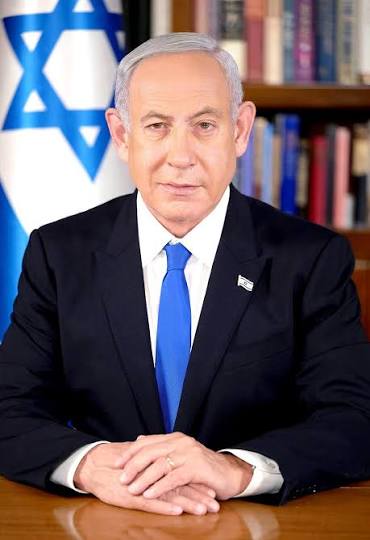
Israeli Prime Minister Benjamin Netanyahu has mounted a robust defence of Israel’s ongoing military campaign against Iran and allied militant groups Hamas and Hezbollah, insisting that sustained operations have dramatically reduced their ability to threaten Israel.
Speaking during a visit to the Israel Defense Forces’ Northern Command, accompanied by Defence Minister Israel Katz and IDF Chief of Staff Eyal Zamir, Netanyahu portrayed Israel as engaged in a coordinated “multi-arena campaign” stretching from Gaza to Lebanon and deep into Iranian territory.
“Iran is not the same Iran, Hezbollah is not the same Hezbollah, and Hamas is not the same Hamas,” he said, arguing that months of targeted strikes, intelligence operations and defensive measures had left all three adversaries “struggling to survive.”
Netanyahu praised senior commanders for what he described as a blend of intensified defensive systems and pre-emptive offensive action designed to disrupt rocket launches, drone attacks and cross-border incursions. He said Israel’s use of “immense force” against Iran and its regional proxies had produced “great accomplishments,” including what he called visible fractures within Iran’s leadership and command structures.
He cited the killing of longtime Hezbollah leader Hassan Nasrallah as a turning point, claiming that Israel had “eliminated Nasrallah and thousands of Hezbollah fighters” and neutralised a large portion of the group’s arsenal, including an estimated 150,000 missiles and rockets intended for Israeli population centres.
Despite those claims, Netanyahu conceded that Hezbollah retains the capacity to fire rockets into Israel’s north. He said consultations with military chiefs were focused on “completing the mission” and ensuring that border communities could return safely to their homes.
Israeli media have reported that the government is weighing a proposal to invite the United States to relocate some of its Middle East military assets to Israel and potentially establish new bases once major combat operations subside, a move that would further cement strategic ties but could inflame regional tensions.
The conduct of the war and Israel’s internal security measures have drawn criticism in Europe and North America. European leaders have condemned reports that Israeli authorities restricted Catholic worshippers from observing Palm Sunday in Jerusalem, calling it an infringement on religious freedom.
Spanish Prime Minister Pedro Sánchez denounced what he termed an unjustified limitation on access to holy sites, urging Israel to respect international law and religious diversity. Canadian Prime Minister Mark Carney similarly warned that such restrictions undermine the longstanding status quo in Jerusalem and insisted that people of all faiths must be able to worship without intimidation or obstruction.