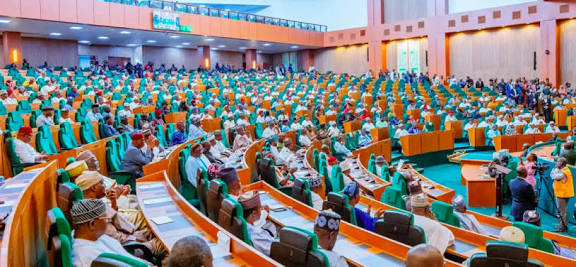
The House of Representatives Committee on Federal Polytechnics and Higher Technical Education has adopted the 2025 budget performance reports of federal polytechnics as a working document, signalling renewed legislative backing for Nigeria’s technical education system.
The decision followed a budget defence session at the National Assembly Complex in Abuja, where rectors and senior officials from federal polytechnics presented updates on funding, infrastructure and programme delivery.
Committee chairman Fuad Laguda described polytechnics as central to Nigeria’s industrial and technological ambitions, emphasising that their role in producing middle-level manpower is indispensable to sustainable growth. He argued that meaningful technological advancement is impossible without adequately funded and properly equipped technical institutions.
Laguda told the rectors that the committee views itself as a partner rather than an adversary, stressing that legislative oversight is aimed at improving institutional performance and accountability. He urged the Committee of Federal Rectors to ensure that the few institutions yet to submit their budget documents comply promptly, warning that incomplete documentation undermines effective scrutiny and planning.
As part of its oversight drive, the committee directed the Registrar of the Computer Professionals Registration Council of Nigeria, Adebayo Adegbiji, to submit all outstanding documents within seven days. Lawmakers questioned how the council manages eight regional offices with only 58 staff members, describing the arrangement as a matter requiring urgent clarification.
Adegbiji defended the council’s capacity to fulfil its mandate, explaining that it is responsible for regulating and accrediting private organisations in the information and communication technology sector. He pledged to provide all requested documents within the stipulated timeframe.
Federal polytechnics have long struggled with inadequate funding, obsolete equipment, overstretched facilities and frequent industrial disputes. Education stakeholders argue that chronic underinvestment in technical and vocational education has weakened Nigeria’s ability to build a skilled workforce capable of driving industrialisation and competing globally.
Unlike universities, polytechnics are structured to produce practically oriented graduates with hands-on skills in engineering, technology, applied sciences and business. However, many institutions face delayed capital releases, insufficient personnel funding and limited access to modern laboratories and workshops.
Rectors and education advocates have consistently called for higher and more predictable budgetary allocations, alongside reforms that link funding to performance and industry relevance. The committee’s adoption of the 2025 budget performance reports, coupled with its pledge of closer collaboration, is viewed as part of a broader effort to reposition the polytechnic subsector and tighten oversight of public funds.