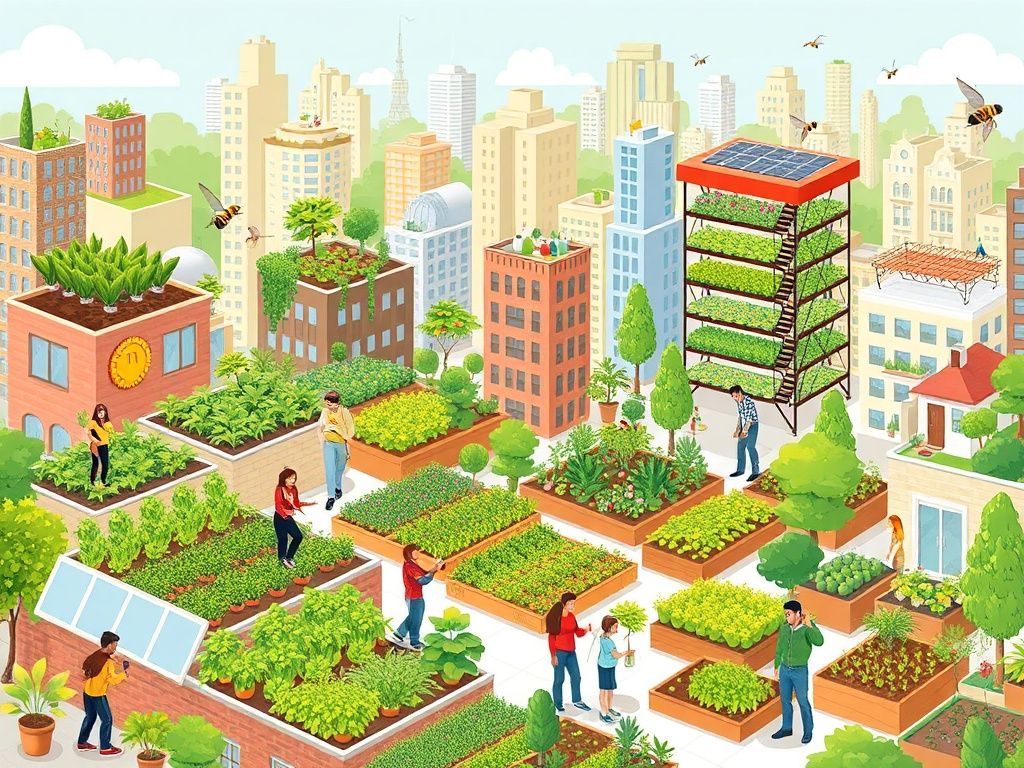
In cities around the world, urban farming is emerging as a transformative solution to food insecurity, environmental degradation, and community disconnection. As urban populations swell, the demand for fresh, healthy food intensifies, pushing city dwellers towards innovative farming practices that reshape the urban landscape.
What is Urban Farming?
Urban farming refers to the practice of cultivating, processing, and distributing food in or around urban areas. It encompasses a variety of methods, from rooftop gardens and vertical farms to community plots and hydroponic systems. These initiatives not only create green spaces in concrete jungles but also foster a sense of community among city residents.
Benefits of Urban Farming
1. Food Security: Urban farming helps bridge the gap between food production and consumption. By growing food locally, cities can reduce their reliance on external supply chains, minimizing the risks of food shortages and price fluctuations.
2. Environmental Impact: Urban farms help mitigate the heat island effect, improve air quality, and promote biodiversity. They also reduce the carbon footprint associated with transporting food, as locally grown produce requires fewer resources to reach consumers.
3. Community Engagement: Urban farms serve as communal spaces where residents can gather, share knowledge, and learn about sustainable practices. Such spaces foster social connections and encourage a sense of ownership over local food systems.
4. Health Benefits: Access to fresh, organic produce encourages healthier eating habits among urban populations. Moreover, the act of gardening itself is therapeutic, providing physical and mental health benefits.
5. Educational Opportunities: Urban farms can be powerful educational tools, allowing schools and community organizations to engage people of all ages. They can host workshops on nutrition, agriculture, and sustainability, creating a more informed public.
Challenges to Overcome
Despite the numerous benefits, urban farming faces several challenges. Limited space, zoning regulations, and community resistance can hinder the establishment of urban farms. Additionally, access to water, soil quality, and funding for startup initiatives can pose significant obstacles.
Future of Urban Farming
As cities continue to grow, the potential for urban farming is immense. Innovative solutions like vertical farming technology and aquaponics are on the rise, promising to revolutionize urban food production. Policymakers and communities need to collaborate to create supportive frameworks that encourage urban farming initiatives.
In conclusion, urban farming represents a powerful tool for addressing food security and fostering sustainable communities. With the right investments, policies, and community engagement, urban farms can play a crucial role in creating healthier, more resilient cities for the future.