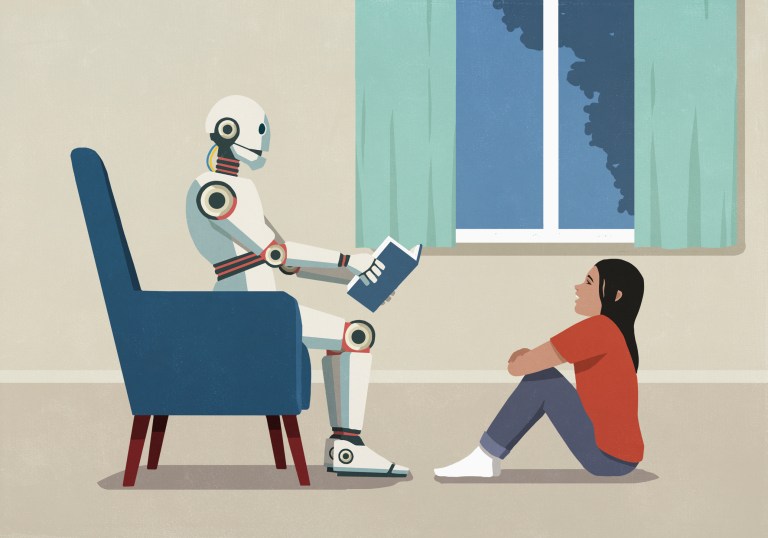
Meta is quietly testing a new app that promises to take the work out of one of parenting’s most intimate rituals: the bedtime story. The experimental app, called StoryKit, uses generative AI to spin up custom children’s tales complete with characters, settings, moral lessons, and even music. As the App Store listing reassures parents, “You don’t need to write a single word.”
StoryKit was first noticed in Apple’s App Store by tech watchers and later confirmed by Meta, which said it is piloting the app in select countries. The company describes StoryKit as a “creative storytelling app” that lets adults craft personalized storybooks for kids. Meta says the app is restricted to users over 18, includes AI safety filters, and has no social features, positioning it as a controlled, family-focused experiment rather than another social network.
Using StoryKit starts with a character. Parents can snap a photo of a favorite toy or person and turn it into the protagonist of a new tale. From there, they describe the world of the story and pick a theme or lesson, such as kindness, courage, or empathy. The app then generates a narrative designed to smuggle those values into the plot “without it feeling like a lecture.”
On paper, it sounds like a harmless convenience for exhausted caregivers who have already read the same picture book a hundred times. Yet the idea of outsourcing storytelling to an algorithm touches a cultural nerve. Storytelling is one of humanity’s oldest and most universal forms of creativity, a way we pass down myths, values, and family lore. Replacing that with a system that predicts the most statistically likely next sentence raises questions about what might be lost.
Parents can easily imagine the appeal. When a child demands an improvised saga about a turtle and a hedgehog solving mysteries in deep space, StoryKit offers a polished script in seconds. But it also risks turning a moment of shared imagination into another screen-mediated transaction, with adults reading AI-generated lines instead of inventing their own.
Meta’s experiment arrives amid a broader debate over how far generative AI should reach into everyday life. StoryKit suggests a future in which even bedtime stories are optimized, personalized, and automated. Whether families embrace that vision or decide that some parts of childhood should remain stubbornly analog may be the real plot twist.