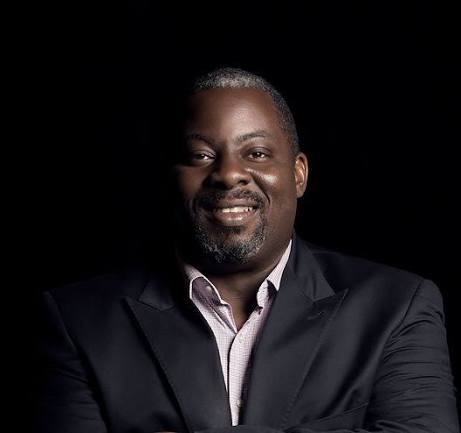
The Federal Government says Nigerian creators are generating an estimated 10,000 to 15,000 pieces of original content every day, positioning the country as one of the most prolific creative hubs in the world.
Director-General of the National Council for Arts and Culture, Obi Asika, revealed the figures at a symposium in Abuja themed Art, AI and the Human Questions. He said the content, produced across more than 60 digital platforms, reaches a combined global audience of over three billion people annually.
Asika described the numbers as evidence of Nigeria’s expanding soft power and cultural influence, driven by music, film, comedy, fashion, gaming, skits and other digital-first formats. He argued that the next phase for the sector must focus on ownership, monetisation and intellectual property protection, rather than mere online visibility.
According to him, Nigeria needs stronger domestic platforms and policies that allow creators to retain more value at home. Engagement alone, he stressed, is no longer enough in an era where artificial intelligence is reshaping how content is produced, distributed and monetised.
Asika said technology should be used to deepen, not dilute, Nigeria’s cultural assets. He pointed to the country’s more than 6,000 heritage sites, many of which remain obscure, and suggested that AI-powered storytelling, virtual tours and digital reconstruction could bring them to life for global audiences.
He argued that the problem is often not the absence of infrastructure but weak or fragmented narratives. With the right tools, he said, Nigeria’s history, mythology and tourism assets could be reimagined for classrooms, streaming platforms and immersive experiences.
However, Asika warned against viewing AI as a shortcut to fame or success. He maintained that the technology will primarily accelerate those who already possess skills, clarity and discipline in their craft, while exposing the limitations of those seeking overnight breakthroughs.
He insisted that reading, research and deep knowledge remain non-negotiable for creatives who want to stay relevant. Technology, he said, is only a tool and cannot replace talent, education or critical thinking.
Asika urged young Nigerians to question AI-generated outputs, cross-check information and take advantage of the Federal Government’s emerging AI strategy and ethics frameworks to use the tools responsibly.
Symposium organiser Oscar Ekponimo also highlighted the ethical dilemmas posed by new technologies, noting that every innovation carries both opportunities and risks. He said his generation’s experience of life before and after the internet offers a unique vantage point on how digital tools are reshaping behaviour, family life and society at large.