Telemedicine: How Technology Is Bringing the Hospital to Our Homes
In the past, visiting a doctor often meant long queues at hospitals and traveling far distances. Today, technology is changing healthcare through telemedicine.
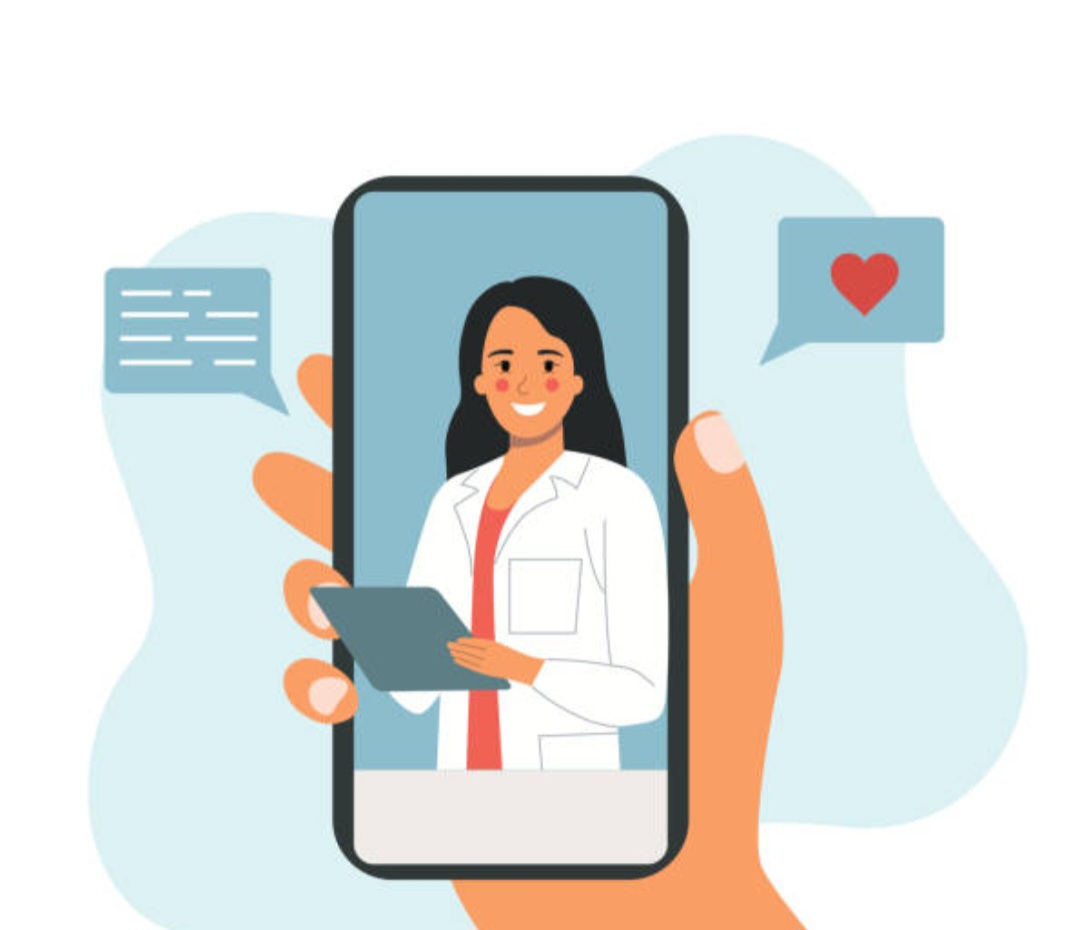
Telemedicine is the use of smartphones, computers, and the internet to provide medical care from a distance. Patients can now consult doctors through phone calls or video chats without going to the hospital. This is especially helpful for people in rural areas where healthcare facilities are limited.
One major benefit of telemedicine is convenience. It saves time, reduces transport costs, and helps decongest hospitals. During the COVID-19 pandemic, telemedicine became safer because it reduced physical contact and the risk of infection.
Technology also allows doctors to monitor patients remotely using digital devices such as blood pressure monitors and glucose meters. This is useful for managing chronic illnesses like diabetes and hypertension.
However, telemedicine faces challenges in Nigeria, including poor internet access, limited digital skills, and lack of smartphones. Some medical conditions still require physical examination and cannot be treated online.
Despite these challenges, telemedicine shows how science and technology can improve healthcare. As digital access increases, it is likely to become a regular part of medical practice. The future of healthcare may be found not only in hospitals but also on our mobile devices.
10