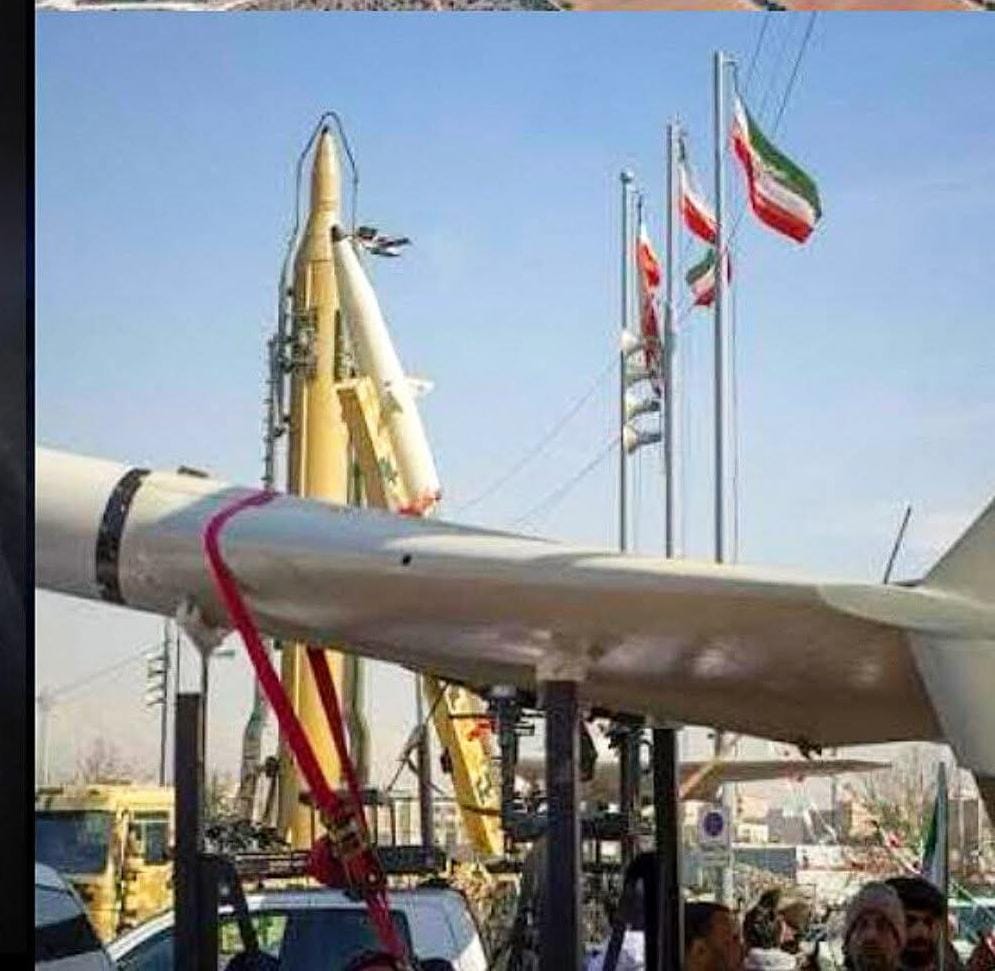
Tehran, Beirut, Jerusalem and several Gulf capitals experienced explosions as the confrontation involving Iran, Israel and the United States widened into a multi-front conflict across the Middle East.
The escalation followed joint US-Israeli strikes that killed Iran’s supreme leader. In response, Iran launched a series of retaliatory attacks on industrial and diplomatic sites in multiple countries. Iranian officials issued strong warnings toward both Washington and Tel Aviv, indicating that further strikes on US forces and Israeli territory were likely.
In Tehran, residents reported loud blasts across the city as Iranian forces both launched and absorbed attacks. The exact targets of these strikes were not immediately clear. Iran appealed to the United Nations Security Council for intervention, with foreign ministry spokesman Esmaeil Baqaei stating that the council had the authority and responsibility to address the situation.
Along Israel’s northern border, the conflict altered the military landscape. Israeli ground forces advanced into Lebanese territory from Kfar Kila and the Khiam plains, describing their objective as the creation of a buffer zone to protect Israeli communities. Lebanese military sources accused Israel of attempting to establish a wider security belt in southern Lebanon. At the same time, Israeli airstrikes hit Beirut’s southern suburbs, prompting new evacuation orders for civilians.
Across the Gulf region, Iran expanded its operations with drone and missile attacks. Explosions were reported in Manama and Doha, and facilities in the United Arab Emirates, Bahrain and Oman were struck, including data centres and oil infrastructure. A drone interception caused a fire at an oil zone in Fujairah, and a fuel tank was hit at a port in Oman. In Saudi Arabia, two drones struck the US embassy compound in Riyadh, causing a fire and drawing official condemnation from Saudi authorities.
The International Atomic Energy Agency confirmed damage to entrance buildings at Iran’s underground Natanz uranium enrichment facility. The agency reported no radiological impact. In Jerusalem, explosions were heard overhead as Israeli air defences intercepted additional missile salvos launched from Iran.
The conflict has had immediate economic effects. With the Strait of Hormuz effectively closed and multiple energy facilities under attack, Brent crude oil prices rose above 85 dollars per barrel. Investors shifted capital toward energy and the US dollar, while prices of gold and silver fell sharply.
The human toll is increasing. Iran’s Red Crescent reported more than 780 deaths across the country, a figure that could not be independently verified. The United Nations estimated that at least 30,000 people have been displaced in Lebanon as a result of the fighting and airstrikes.