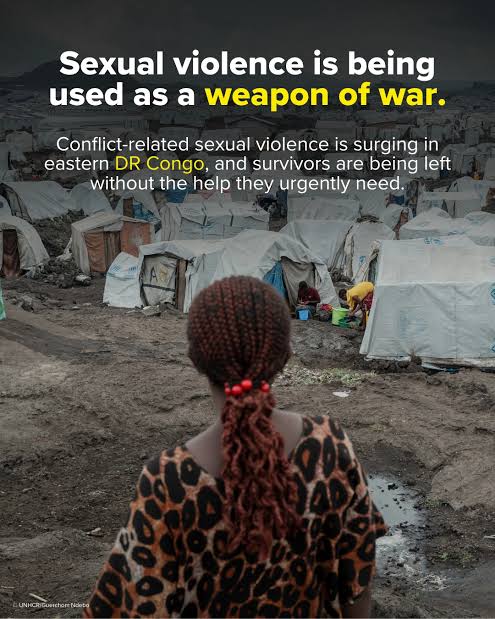
The United Nations has sounded a stark alarm over the global rise in sexual violence in conflict, warning that nearly 10,000 verified cases were recorded in 2025 alone.
The UN’s Special Representative on Sexual Violence in Conflict, Pramila Patten, said the latest annual report documents a sharp escalation in the use of rape and other forms of sexual abuse as deliberate weapons of war, repression and terror.
According to the report, 9,788 cases of conflict-related sexual violence were verified across 21 countries affected by war and political instability. The UN stressed that these figures represent only the incidents that could be documented, and likely capture just a fraction of the true scale of abuse.
Patten cautioned that the data should be read as an indicator of a much wider pattern of violations that remain largely invisible. Survivors often face stigma, fear of reprisals, lack of access to reporting channels and deep mistrust of authorities, all of which contribute to chronic underreporting.
The abuses recorded include rape, gang rape, sexual slavery, forced marriage, trafficking and abductions, committed by both state forces and non-state armed groups. While women and girls remain the primary targets, the report also details attacks on men and boys, frequently in detention facilities where sexual violence is used as torture and a tool of intimidation.
The age range of victims is strikingly broad, from infants to elderly people in their seventies, and includes persons with disabilities. In many cases, the violence is accompanied by extreme brutality, including killings following rape and suicides among survivors unable to access support or justice.
The report highlights how armed groups and criminal networks use sexual violence to terrorise communities, seize control of territory and exploit resource-rich or strategically important areas. Displacement, insecurity and the collapse of basic services have left women and girls in borderlands and remote regions especially exposed.
Humanitarian access restrictions and widening funding gaps are further undermining efforts to document abuses and provide medical, psychosocial and legal assistance to survivors.
The UN is urging the Security Council and Member States to strengthen prevention, ensure accountability for perpetrators and invest in survivor-centred responses. Patten called for a global response grounded in the rights, needs and dignity of victims, warning that these violations are neither isolated nor confined to a few crises, but form a pervasive and devastating feature of modern conflict.