Ghana has moved to the forefront of the global push for slavery reparations, hosting a landmark conference in Accra that aims to turn decades of moral argument into binding political and financial commitments.
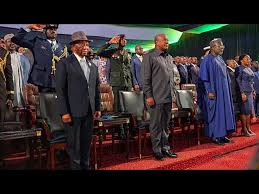
The gathering brought together heads of state and senior officials from across Africa and the Caribbean, as well as leading intellectuals and activists, in the wake of a historic United Nations resolution that branded the transatlantic slave trade “the gravest crime against humanity” and urged states involved to pursue “restitution” and “compensation”.
Ghana’s Foreign Minister Samuel Ablakwa said the resolution has unleashed “unprecedented momentum” for reparatory justice, arguing that the world has already defeated slavery, colonialism and apartheid and must now confront “reparatory injustice”. With support from 123 UN member states, the resolution is seen by campaigners as the clearest international endorsement yet of the case for reparations.
President John Mahama, who championed the measure at the UN, told delegates that Ghana is “transitioning from being a crime scene to a sanctuary for healing and reparative justice”. Once a key hub of the slave trade, the country has in recent years sought to reconnect with the African diaspora, granting citizenship to more than 1,000 people of African descent.
Mahama announced three new working panels designed to move beyond rhetoric. An advisory body of heads of state will set political direction, a panel of experts will focus on restitution and development financing, and a legal group will examine how to translate historical claims into enforceable obligations.
French President Emmanuel Macron, addressing the conference by video, backed the symbolic repeal of royal decrees that once governed slavery in French colonies and acknowledged that reparations must be discussed, while insisting that history cannot be “reduced to a merely financial logic”. France was historically the third-largest European slave-trading power, after Britain and Portugal.
Nigerian Nobel laureate Wole Soyinka warned that reparations “must go beyond symbolism”. He argued that true repair requires the “rehumanisation of memory” and the restoration of values eroded by centuries of dehumanisation, while also confronting present-day abuses such as human trafficking and the kidnapping of schoolchildren for ransom.
Delegates from civil society pressed for concrete outcomes, including structured compensation funds, debt cancellation or restructuring, and the return of looted artefacts. For many in Accra, the central question is no longer whether reparations are justified, but how quickly the world is prepared to turn recognition into action.