In the lobby of a modest Dakar hotel, a young man presses his back to the wall, eyes fixed on the glass doors. He has been moving between safe houses since his family discovered he was gay and a close friend was questioned by police. “I don’t sleep,” he says quietly. “Any knock on the door could be the police, or neighbours.”
Originally from Touba, a stronghold of Senegal’s Sufi Muslim brotherhoods, he now rents a room with a friend who does not know his sexual orientation. His double life mirrors that of many LGBTQ+ Senegalese who say they are being pushed further underground as the state hardens its stance.
Same-sex relations are already criminalised under Article 319 of the penal code, a colonial-era provision punishing what it calls “acts against nature.” For years, enforcement was sporadic, allowing some people to carve out fragile spaces of relative safety in cities like Dakar. That space is shrinking.
Prime Minister Ousmane Sonko has proposed doubling prison terms for same-sex conduct, raising the maximum sentence from five to ten years. Lawmakers have endorsed the change, and it now awaits the president’s signature. Human rights organisations say the move risks legitimising a wave of vigilantism and abuse already under way.
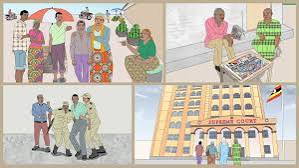
Local media have reported dozens of arrests in recent months, including that of journalist Pape Biram Bigué Ndiaye, briefly detained after comments seen as sympathetic to LGBTQ+ people. Police say they are responding to public complaints, while activists argue that arrests are increasingly used to send a political message.
On the streets, hostility has become more visible. In Kaolack, a mob exhumed the body of a man believed to be gay and burned it in a public square, images that ricocheted across social media. In Dakar, protesters have marched against what they call “the homosexual lobby,” accusing gay men of deliberately spreading HIV, claims dismissed by health experts as dangerous misinformation.
Religious and political figures have amplified the rhetoric. The movement And Samm Djiko Yi, led by influential preacher Serigne Ababacar Mboup, frames homosexuality as a foreign import threatening Senegalese values and blames Western governments and international organisations for “promoting” it.
For LGBTQ+ Senegalese, the consequences are immediate. Free Senegal, a group that once ran a discreet safe house in Dakar, shut it down after neighbours began asking questions. Some members have slipped across borders to seek asylum; others rely on informal networks for food, shelter and forged documents.
One veteran activist, who left Senegal after appearing in a documentary on gay rights, now coordinates emergency evacuations from abroad. “Every call is the same,” he says. “They tell me, ‘We are living in fear. If we stay, we will be arrested, or worse.’”