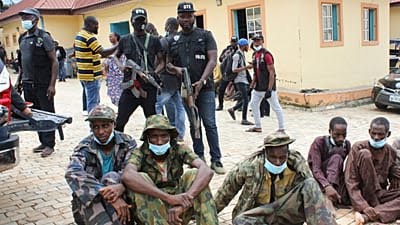
Nigeria is moving to deepen military cooperation with its northern and western neighbors, Benin and Niger, in a bid to seal off key border corridors increasingly exploited by jihadist groups spreading south from the Sahel.
At the heart of the initiative is the creation of a new tri-border military sector that will coordinate operations along the Nigeria Benin Niger frontier. Nigerian defense officials say the structure is designed to plug long-porous borders that have allowed fighters, weapons and illicit goods to move with relative ease between the three countries.
Defense Minister Christopher Musa has described the plan as a work in progress, but officials and regional analysts say the urgency is clear. Al Qaeda and Islamic State affiliates, once largely contained in the Sahel belt of Mali, Burkina Faso and Niger, have pushed steadily toward coastal West Africa, using Benin and Burkina Faso as staging grounds for incursions into northwestern Nigeria.
Nigeria has battled its own Islamist insurgency since 2009, centered on Boko Haram and its splinter factions in the northeast. That conflict has killed tens of thousands and displaced millions. But security experts warn that the threat is evolving as foreign fighters and regional criminal networks intersect with local grievances, creating a more diffuse and unpredictable battlefield.
Recent attacks and kidnappings in northwestern and even southwestern Nigeria have raised fears that militants are testing new routes and targets far from their traditional strongholds. The mass abduction of schoolchildren in the southwest, blamed by officials on jihadist elements, underscored how quickly violence can shift across regions.
Musa has signaled plans to engage directly with military leaders in Burkina Faso, Mali and Niger, all now ruled by juntas that have distanced themselves from the regional bloc ECOWAS and formed the Alliance of Sahel States. Despite political tensions, he insists that security cooperation with Niger in particular remains functional, stressing that authorities in Niamey understand the danger of leaving gaps along shared borders.
Nigeria is also working with international partners. US forces have conducted targeted strikes on militant positions, while Beninese troops and local militias have at times operated in or alongside Nigerian territory with Abuja’s consent, reflecting a patchwork of ad hoc arrangements now being formalized through the tri-border command.
Officials in Abuja worry that if insecurity continues to spread, it could undermine public confidence in state institutions and depress voter participation in future national elections, especially in areas already scarred by conflict.