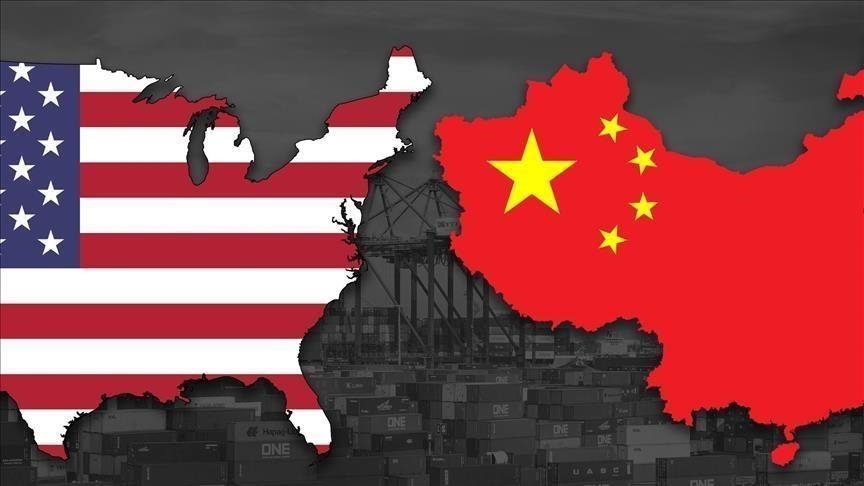
In a surprising shift, China has announced a year-long suspension of “special port fees” on U.S. vessels, a move that mirrors Washington’s temporary pause on tariffs affecting Chinese ships. The gesture is widely seen as an effort to sustain a fragile trade truce, raising the question of what impact it may ultimately have on businesses and consumers.
The U.S.–China trade relationship has been turbulent in recent years, defined by escalating tariffs, retaliatory measures, and uncertainty across global markets. High-profile diplomatic engagements, including the recent meeting between Presidents Xi Jinping and Donald Trump, have ignited hopes of easing tensions, though skepticism remains after years of economic brinkmanship.
China’s pause comes after a period when tariffs on both sides soared—some reaching triple-digit levels—disrupting global supply chains. The country has also suspended sanctions on U.S. subsidiaries of Hanwha Ocean, a major South Korean shipbuilder, and placed a year-long hold on a probe into whether the U.S. Section 301 investigation harmed China’s shipbuilding industry. These steps suggest deliberate attempts to keep negotiations open, even as U.S. shipbuilding continues to struggle, holding just 0.1% of global output while Asia maintains dominance.
Alongside these concessions, China has extended reduced tariffs on U.S. goods, lifted certain agricultural duties, and reversed export bans on key metals like gallium and germanium, which are critical to high-tech industries. The U.S. has responded by easing export restrictions on certain foreign-owned affiliates with significant American investment. Together, these moves indicate cautious optimism, though whether they mark real progress or simply another pause in a long-running rivalry remains to be seen.



.jpeg?alt=media&token=96b327a5-8e62-4ed1-a078-308aff149ed1)