The United States has dropped plans to demand a $15,000 visa bond from football fans travelling to the 2026 World Cup, easing fears that the hefty deposit would price many supporters out of the tournament.
The waiver applies to visitors from 50 countries that had been targeted under a pilot scheme aimed at curbing visa overstays. Fans from those nations who can show valid World Cup match tickets will now be able to apply for visas without paying the bond.
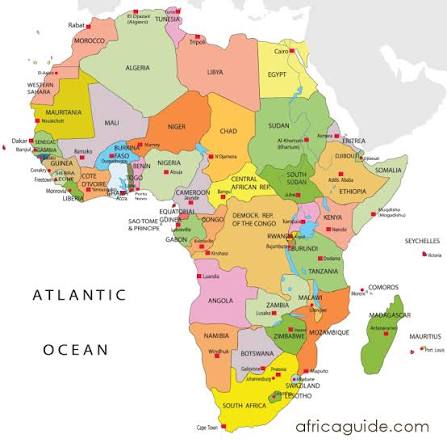
The move is especially significant for five African countries whose national teams have qualified for the tournament: Algeria, Cape Verde, Ivory Coast, Senegal and Tunisia. Supporters from these nations had been bracing for a major financial hurdle just to follow their teams to North America.
US Assistant Secretary of State for Consular Affairs Mora Namdar said the decision was designed to ensure that genuine fans are not shut out of the event. The bond scheme, she stressed, was never intended to penalise legitimate short-term visitors but to deter those likely to overstay.
The visa bond was introduced as a refundable deposit, payable up front and returned only after the traveller left the country on time. Critics argued that, in practice, it would function as a barrier for lower-income fans and undermine the inclusive spirit of the World Cup.
FIFA has welcomed the US decision, describing it as a sign of close coordination between football’s governing body and American authorities as preparations intensify for the first World Cup to be jointly hosted by the US, Canada and Mexico.
Despite the concession, the broader security and immigration framework around the tournament remains tight. Travellers from Iran and Haiti are still barred from entering the US under existing restrictions, although players, coaching staff and other accredited team officials are exempt for World Cup duties. Ivory Coast and Senegal also remain subject to partial travel limits under expanded US rules.
At the same time, Washington is moving ahead with proposals that would require many visa applicants to submit up to five years of social media history. Rights groups warn that such measures, combined with existing travel bans, could expose some World Cup visitors to intrusive screening, denied entry and discriminatory treatment, even as the scrapping of the $15,000 bond removes one of the most controversial obstacles for fans.