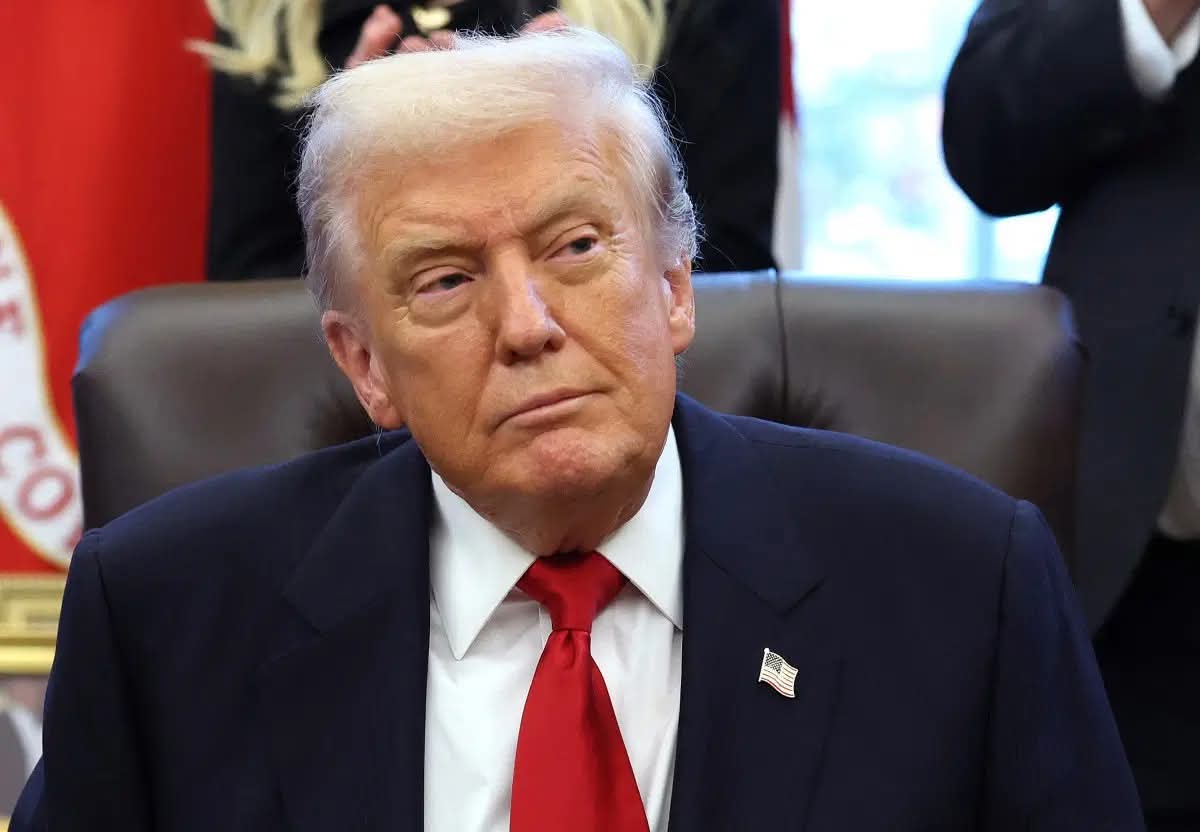
U.S. president Donald Trump has escalated his rhetoric against Iran, issuing a stark warning over any attempt to disrupt traffic through the Strait of Hormuz, the narrow waterway that carries a significant share of the world’s seaborne oil.
In a message posted on his social media platform, Trump declared that the United States would respond “forcefully” if Iran interferes with the flow of oil tankers through the strait. He framed the waterway as a global lifeline, stressing that its security is not only a U.S. concern but a vital interest for major energy importers around the world.
According to Trump, any move by Tehran to halt or significantly impede oil shipments would trigger a devastating response. He claimed Iran would be hit “twenty times harder” than in previous confrontations, suggesting a scale of retaliation designed to cripple the country’s ability to wage conflict or recover quickly.
Trump went further, hinting at potential strikes on critical infrastructure and strategic assets. He said the U.S. could target “key sites” that would make it difficult for Iran to rebuild as a functioning nation, language that analysts interpret as a threat to both military and economic nodes, including energy facilities and command centers.
“Death, fire and fury will reign upon them,” Trump wrote, while adding that he hoped such a scenario could still be avoided. The juxtaposition of apocalyptic language with a stated desire to deter conflict underscores his administration’s strategy of maximum pressure combined with public warnings meant to shape Iran’s calculations.
Trump also cast his message as a defense of countries that rely heavily on the Strait of Hormuz for energy supplies. He specifically mentioned China and other major importers whose economies depend on uninterrupted oil shipments from the Gulf, arguing that U.S. deterrence in the region effectively underwrites global energy security.
The Strait of Hormuz, bordered by Iran to the north and Oman and the United Arab Emirates to the south, is one of the world’s most strategically sensitive chokepoints. Any serious disruption there could send shockwaves through global oil markets, raise shipping insurance costs, and heighten the risk of a broader military confrontation in the Gulf.

.jpeg?alt=media&token=96b327a5-8e62-4ed1-a078-308aff149ed1)