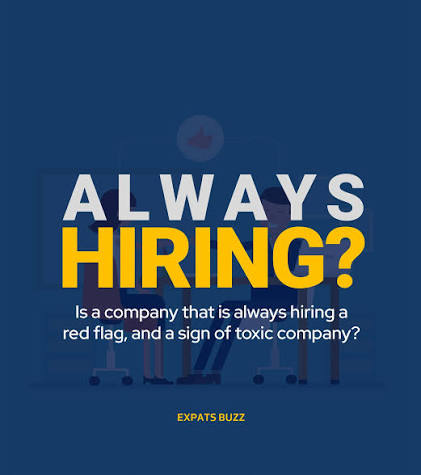
Walk past almost any restaurant or retail store and the message in the window is the same: “Now Hiring.” In many locations, that sign is as permanent as the logo on the door. From the sidewalk, it looks like growth. Inside, it usually signals something very different: a business stuck in a loop of churn.
A hiring sign only says a role is open. It does not explain why that role never seems to stay filled. Operators blame a “talent shortage” or “nobody wanting to work,” but the pattern is remarkably consistent across brands and markets. The real issue is not a lack of applicants. It is how labor is allocated once people are on the payroll.
In most hourly businesses, the weekly schedule is the quiet engine of everything that follows. It is also the largest recurring capital decision many managers make. Yet schedules are often built by copying last week’s template and nudging a few shifts around. That approach ignores how volatile demand really is. A rainy Tuesday, a home game, a school holiday, a viral menu item or a surge in delivery orders can all reshape traffic in ways a static schedule cannot anticipate.
The result is predictable chaos. One shift is overstaffed, with employees idle and frustrated. The next is underwater, with two people trying to do the work of five. Hours swing wildly. Paychecks become impossible to predict. For many new hires, it takes only a few days to realize the job will not support a stable life, so they walk away before training is complete.
Every departure triggers a rushed replacement. Under pressure to cover the weekend, managers lower the bar, hire whoever is available and restart the cycle. Turnover costs mount through recruiting, onboarding and lost productivity, but the underlying system remains untouched.
What is breaking these businesses is not a lack of effort or experience. It is the expectation that a manager, already juggling operations, can mentally process weather forecasts, local events, labor laws, employee preferences and sales patterns to handcraft the perfect schedule. That is a computational problem, not a character test.
Modern tools can now model demand in fine detail and align staffing to when and where work actually appears. When labor is scheduled around both business needs and employees’ lives, the “Now Hiring” sign finally comes down for the right reason: not because recruiting suddenly improved, but because people stopped leaving.