UNAids executive director Winnie Byanyima has warned that a sharp reduction in United States support for South Africa’s HIV response risks costing lives and rolling back hard‑won gains against the epidemic.
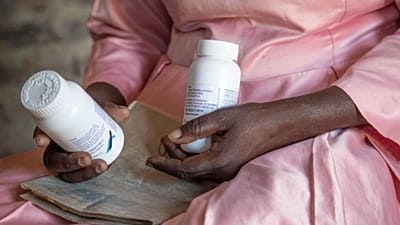
Her appeal follows Washington’s decision to begin withdrawing hundreds of millions of dollars in assistance provided through the President’s Emergency Plan for AIDS Relief, known as Pepfar. For years, the programme has been a cornerstone of South Africa’s HIV response, supplying antiretroviral medicines, laboratory services and community outreach.
US funding has amounted to about $400 million annually, roughly 17% of the country’s total HIV budget, according to UNAids and South African government figures. Health economists warn that losing such a large share of external support in a short period could disrupt treatment for millions of people who rely on publicly funded care.
South Africa has the largest HIV epidemic in the world, with more than eight million people living with the virus. The country also runs the world’s biggest antiretroviral treatment programme, a scale-up widely credited with slashing Aids-related deaths and new infections over the past decade.
Byanyima urged the US to reconsider the pace and scale of the withdrawal, calling for a carefully managed transition that would allow South Africa to absorb more of the costs without jeopardising services. She stressed that abrupt cuts could lead to drug stock-outs, reduced testing and prevention, and a resurgence of opportunistic infections.
The South African Health Ministry said it had not received formal notification of the final funding envelope but acknowledged that it had been planning for greater financial self-reliance. Officials insist they are committed to sustaining treatment and prevention, yet analysts note that the public health system is already under severe budget pressure.
The funding decision comes amid increasingly strained relations between Washington and Pretoria. US officials have linked the reduction to broader political concerns over South Africa’s foreign and domestic policies, a connection the South African government has rejected as unfair and potentially harmful to public health.
The US State Department has confirmed that Pepfar support will be phased down rather than halted overnight. However, UNAids and local advocacy groups argue that even a gradual drawdown, if not carefully coordinated and backfilled by domestic resources, could undermine one of the world’s most important HIV programmes and put vulnerable communities at renewed risk.