HOW THE BODY RESPONDS TO HEAT STRESS - 7 months ago
HOW THE BODY RESPONDS TO HEAT STRESS
When the body is exposed to too much heat, it reacts almost immediately.
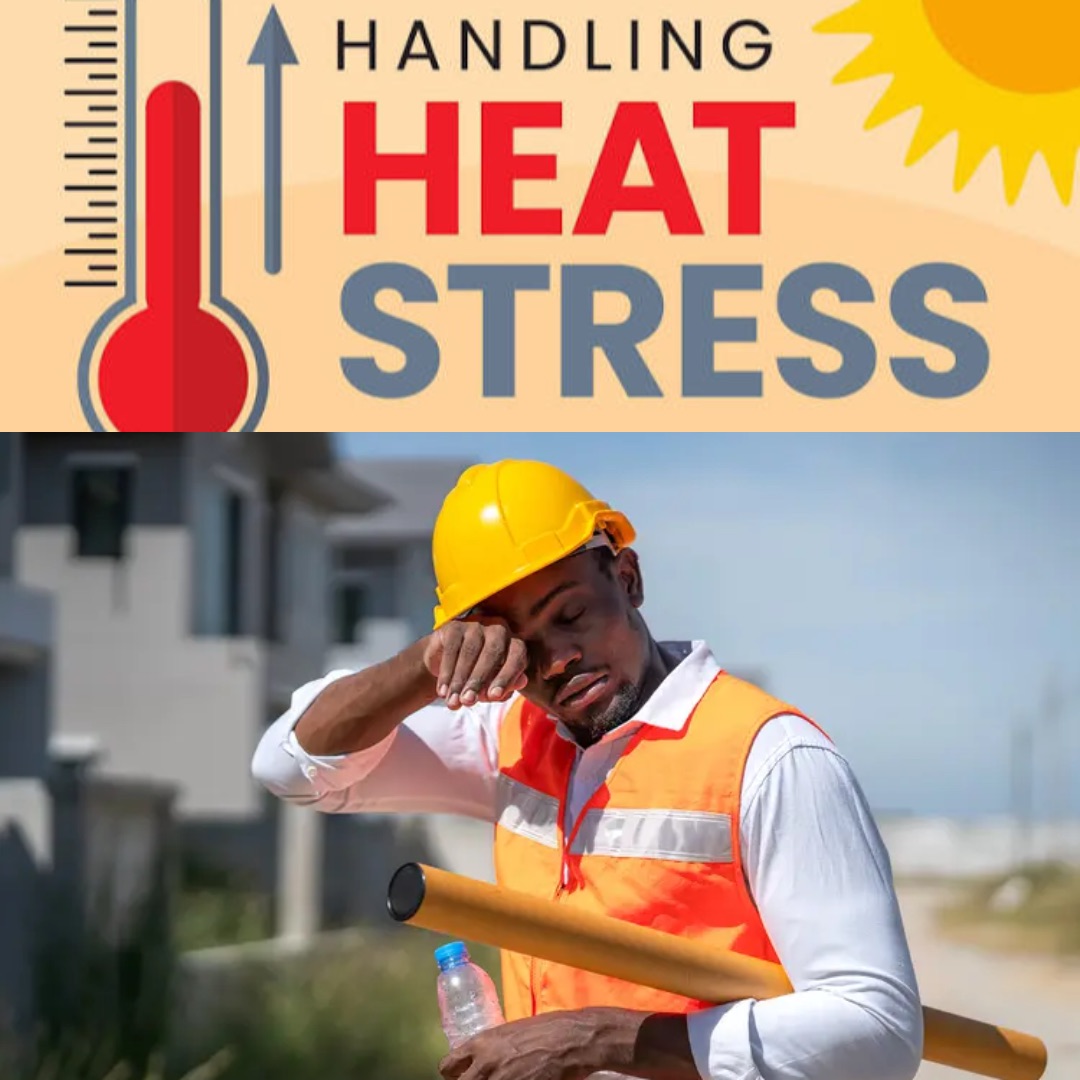
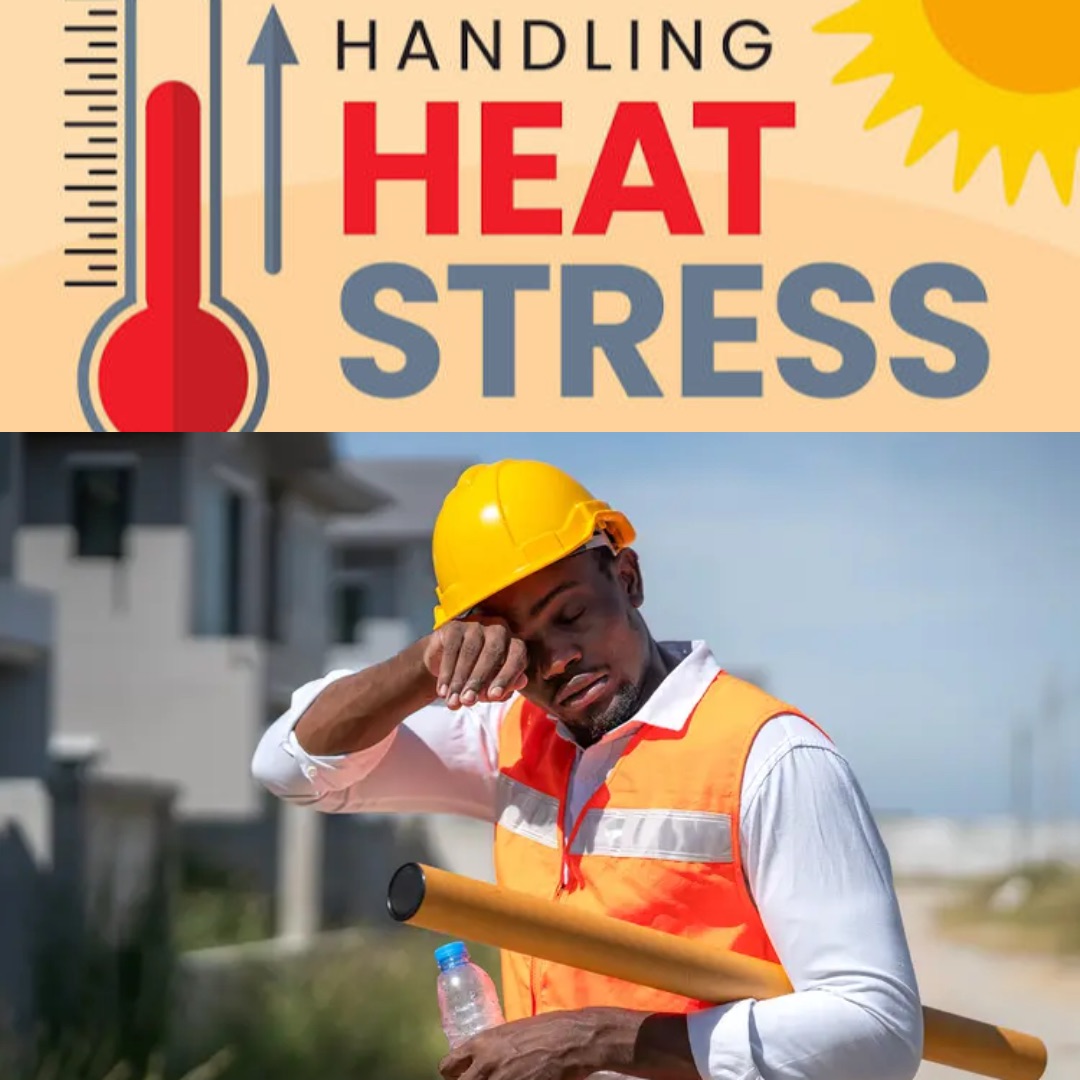
What is Heat Stress? Heat stress is what happens when the body becomes too hot and can no longer cool itself properly. Normally, the human body keeps its temperature balanced by sweating and releasing heat through the skin. Heat stress occurs when the weather is very hot, a person is physically active for long periods, humidity is high (sweat doesn’t evaporate easily),there is little access to water or shade and clothing also traps heat.
37°C is the average normal temperature. It can range between 36.1°C and 37.2°C and still be normal. The human body works hard to keep its internal temperature stable, and once that balance is threatened, a chain of responses begins. The most obvious response is sweating. Sweat appears on the skin to cool the body as it evaporates. At the same time, blood vessels close to the skin expand, allowing heat from the body’s core to escape into the air. This is why skin often looks flushed in hot conditions. As heat exposure continues, the body starts to lose large amounts of water and salts through sweat. This makes the heart work harder and reduces the amount of fluid available to the body. People may begin to feel weak, dizzy, or unusually tired. Headaches and muscle cramps are also common warning signs.
If the body cannot cool itself effectively, its temperature continues to rise. At this point, the body’s control system begins to fail, leading to serious conditions such as heat exhaustion or heat stroke. Without quick cooling and hydration, vital organs, including the brain, can be damaged.
Heat stress reminds us that the human body has limits. While it is designed to regulate temperature and adapt to hot conditions, prolonged or extreme heat can overwhelm these natural systems. When this happens, vital functions are placed under strain, increasing the risk of dehydration, fatigue, and serious health complications. Understanding how heat stress occurs—and recognizing its early warning signs—allows individuals and communities to take simple but life-saving steps such as staying hydrated, resting, and seeking cooler environments. In a warming world, awareness of heat stress is not just helpful; it is essential for protecting human health.
Artificial intelligence has changed the way students and lecturers approach academics. When students struggle with certain subjects or courses, AI t...Read more
As a Nigerian science journalist and founder of Science Nigeria, Nkechi Isaac created a specialized platform dedicated to reporting science, technol...Read more
You know how pirates search for gold? Sailing south, then west, then north, then east, following maps that might lead them to treasure or to nothing...Read more
Genotypes and blood groups are important genetic characteristics that determine inherited traits and blood compatibility, yet many people hold incor...Read more