Name : Balogun Fiyinfoluwa Ifeoluwa
Matric no : 230902183
Course code : MAS 313
Course Title : Science and technology reporting
Lecturer : Dr Suraj
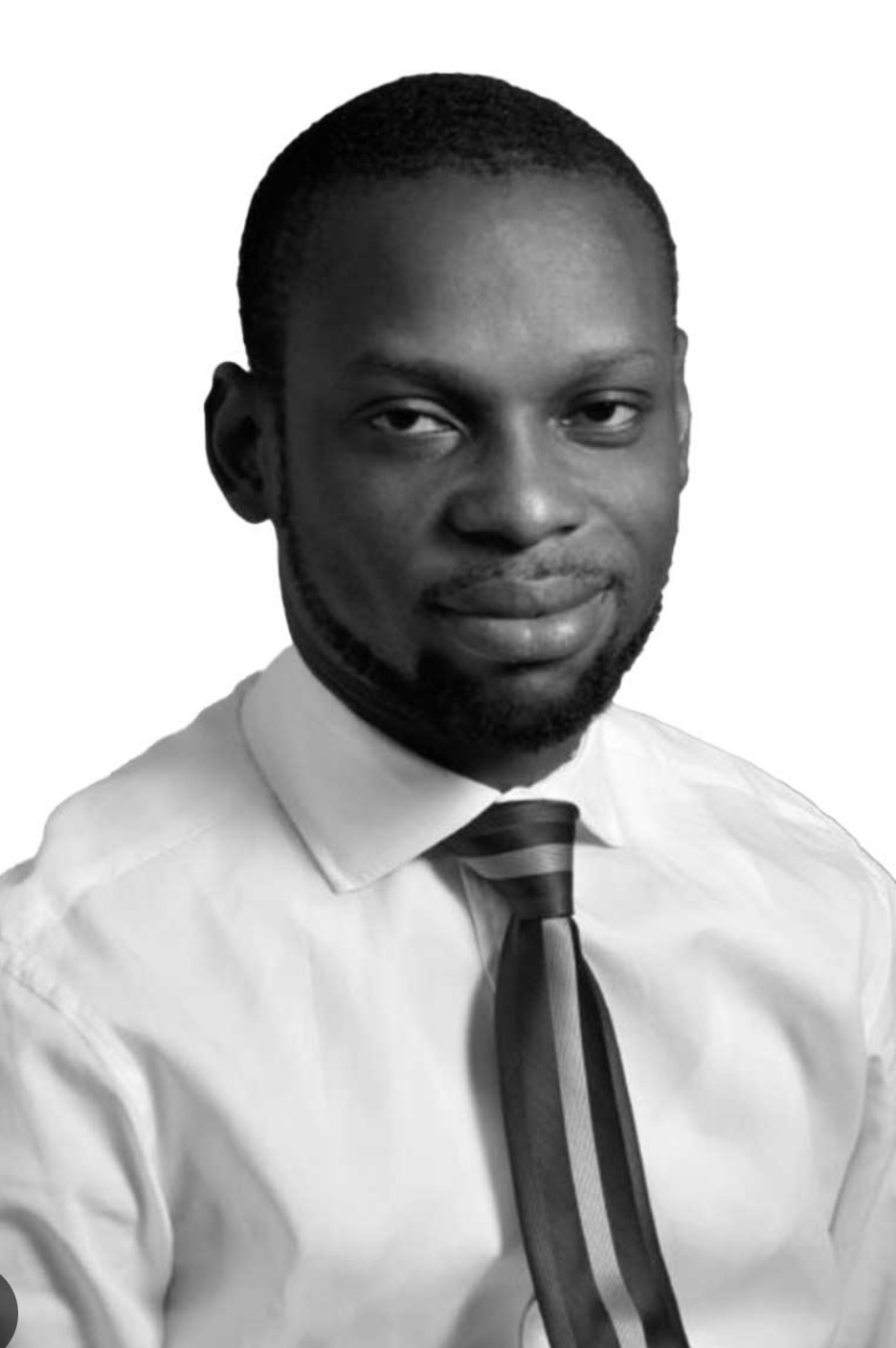
Fisayo Soyombo: A Case Study of an Investigative Journalist in the Digital Age
Journalism plays a crucial role in promoting accountability, transparency, and social reform. Among contemporary Nigerian journalists, Fisayo Soyombo stands out as a bold investigative reporter whose work demonstrates the power of the media in shaping governance and public discourse. Although he is not strictly a science and technology reporter, his investigative methods, use of digital platforms, and research into misinformation connect strongly with modern media and technological communication. This essay examines his background, career development, major works, and significance in contemporary journalism.
Fisayo Soyombo was born on October 27 in Ogun State, Nigeria. A native of Ago-Iwoye, he studied Animal Science at the University of Ibadan, where he earned a Bachelor of Agriculture degree. His interest in journalism began during his university years when he became active in campus press organizations such as the Mellanby Hall Press Organization and the Union of Campus Journalists. His performance earned him several awards and an internship at The Guardian, where he worked under the mentorship of Jahman Anikulapo. This mentorship significantly shaped his professional development and investigative approach.
Over the years, Soyombo built an impressive career across several media organizations. He worked at The Guardian before moving to other publications. In 2014, he joined TheCable as its founding editor. Although TheCable was initially focused on business and politics, Soyombo introduced investigative journalism into the platform, strengthening its reputation for in-depth reporting. He later served as editor at the International Centre for Investigative Reporting and managing editor at Sahara Reporters. In 2020, he founded the Foundation for Investigative Journalism (FIJ), a nonprofit organization dedicated to investigative and accountability journalism.
Soyombo is best known for his daring undercover investigations. One of his most notable reports involved driving a car presented as stolen from Abuja to Lagos and back, passing through 86 police checkpoints after paying bribes. This investigation exposed widespread corruption within Nigeria’s law enforcement system. The report demonstrated not only his courage but also his method of immersive journalism—placing himself directly within the system he sought to expose.
In another groundbreaking investigation in 2019, Soyombo spent five days in a police cell and eight days in Ikoyi Prison under a false identity to uncover corruption within Nigeria’s criminal justice system. His findings revealed bribery, extortion, and systemic injustice. Following publication, there were reports of plans to arrest him, which sparked public outcry and the social media campaign #KeepFisayoSafe. This case highlights the risks investigative journalists face when challenging powerful institutions.
Another significant project was his five-part series titled “Forgotten Soldiers,” which examined the neglect of injured Nigerian soldiers who had fought Boko Haram. The investigation led to tangible outcomes, including medical support and prosthetic assistance for affected soldiers. This demonstrates how investigative journalism can lead to real social change, beyond merely informing the public.
Although Soyombo’s work primarily focuses on corruption and governance, it intersects with science and technology in important ways. His investigative projects often rely on structured data gathering, documentation, and digital dissemination. Through FIJ, he uses digital platforms to publish reports and mobilize public engagement. In 2022, he became a Fellow at the Reuters Institute for the Study of Journalism at the University of Oxford, where his research examined coordinated media campaigns designed to undermine credible journalism. This area of study directly connects to digital misinformation, algorithmic manipulation, and media technology in the modern information ecosystem.
Soyombo’s journalistic style is characterized by courage, immersion, and impact-driven reporting. He does not rely solely on interviews or secondary sources but often embeds himself within institutions to experience realities firsthand. His approach reflects a strong commitment to ethical journalism and accountability. At the same time, his career illustrates the challenges investigative journalists face, including security threats, political backlash, and financial sustainability concerns for nonprofit media organizations.
In conclusion, Fisayo Soyombo represents a powerful example of investigative journalism in Nigeria and beyond. Through his undercover investigations, digital publishing strategies, and institutional leadership at the Foundation for Investigative Journalism, he has demonstrated how journalism can drive reform and hold powerful systems accountable. His work underscores the importance of courageous reporting in strengthening democracy and promoting transparency in the digital age.