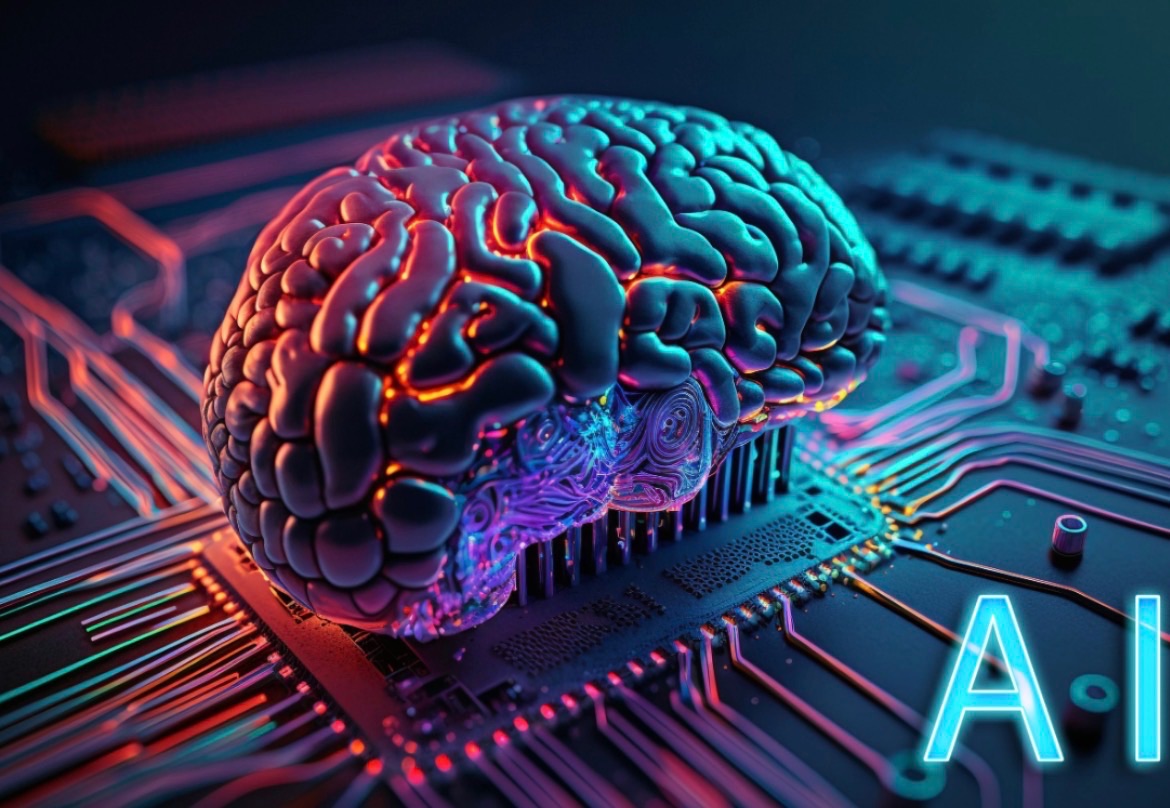
Science and technology have become an important part of modern society. One of the most influential technological developments today is Artificial Intelligence (AI). Artificial Intelligence refers to computer systems designed to perform tasks that normally require human intelligence such as learning, problem-solving, and decision-making.
Artificial Intelligence is already present in many aspects of everyday life. Smartphones use AI to power voice assistants, facial recognition, and predictive text. Social media platforms also rely on AI algorithms to recommend content based on users’ interests and activities. These systems analyze large amounts of data in order to improve user experience and provide more personalized services.
In addition, Artificial Intelligence is being used in important sectors such as healthcare, education, and transportation. In healthcare, AI helps doctors analyze medical data and detect diseases earlier. In education, AI-powered tools help students learn more effectively by providing personalized learning experiences. Self-driving vehicles and smart traffic systems are also examples of how AI is transforming transportation.
Despite its benefits, the rapid development of Artificial Intelligence has raised several concerns. Some people worry that AI could replace human jobs in certain industries. There are also concerns about privacy and the ethical use of data collected by AI systems. As a result, experts believe that governments and organizations must create proper regulations to ensure that AI is used responsibly.
In conclusion, Artificial Intelligence is shaping the future of science and technology. While it provides many advantages and opportunities for innovation, society must carefully manage its development to ensure that it benefits humanity as a whole.