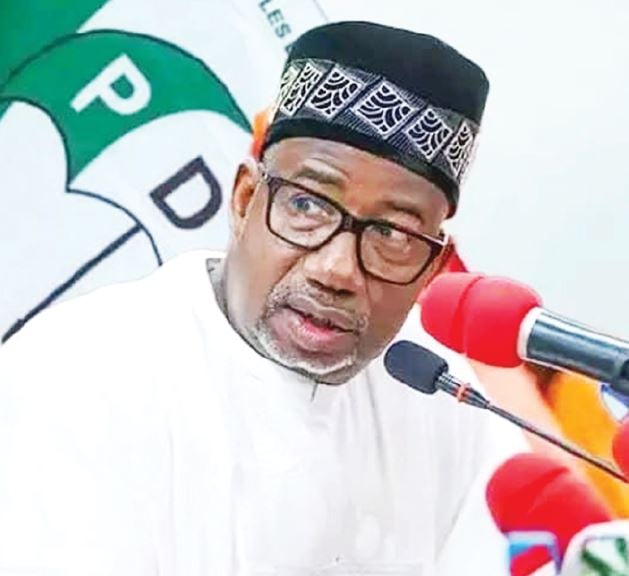
Deep divisions have emerged within the Bauchi State chapter of the All Progressives Congress over moves to admit Governor Bala Mohammed into the party, exposing a fierce internal struggle over control, loyalty and future electoral calculations.
The rift surfaced at a closed-door caucus meeting in Abuja, where senior party figures clashed over the political and structural implications of welcoming a sitting Peoples Democratic Party governor into their fold. While some leaders see Mohammed’s defection as a strategic coup ahead of the next general election, others fear it could sideline long-standing members and upend existing power blocs.
To contain the tensions, the caucus resolved to set up a high-powered committee mandated to define clear conditions for any defection talks and to interface directly with the APC national leadership. Acting Secretary of the caucus, Dabo Ismail, said the panel would engage critical stakeholders, negotiate on behalf of the Bauchi APC and provide regular briefings to prevent backroom deals.
Ismail stressed that Mohammed was not being shut out, but insisted that any move must reflect internal democracy and respect for local structures. He warned that admitting the governor without broad consultation would deepen mistrust and fracture the party at the grassroots.
The chairman of the caucus and senator representing Bauchi North, Sama’ila Dahuwa, echoed those concerns, describing the initial handling of the matter as a serious omission. The caucus condemned what it saw as attempts to bypass state stakeholders, warning that unilateral decisions from Abuja would undermine inclusiveness and risk destabilising the party in Bauchi.
Dahuwa disclosed that the committee includes a serving minister, former governors and two senators, underscoring the sensitivity of the issue and the high stakes involved. The caucus also resolved to formally communicate its reservations to the APC national leadership and insist on due process in integrating any high-profile defectors.
Mohammed, a former Minister of the Federal Capital Territory and a key PDP figure in the North-East, has been at the centre of intense speculation over his political future amid shifting alliances and internal strains within the PDP. His recent public indication of plans to leave the party, coupled with discreet meetings involving top APC figures, has triggered fresh calculations across the state’s political landscape.
For the Bauchi APC, the governor’s possible entry offers both a powerful electoral asset and a profound test of party cohesion, as leaders struggle to balance expansion with the protection of entrenched interests.