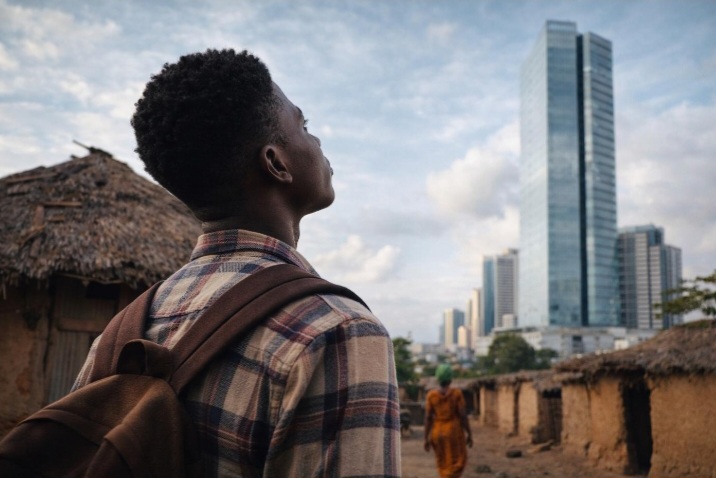
Across Nigeria, many young people are leaving rural communities and moving to cities.
For some, the decision is not because they dislike their villages. It is because they believe the city offers opportunities that are difficult to find at home.
Employment is one of the biggest reasons. Cities concentrate businesses, offices, industries, universities and other institutions. A young person looking for a corporate job, media career, technology opportunity or specialised profession may have very few options in a rural community.
Education is another factor. Many young people leave their communities to attend universities, polytechnics and other institutions. After graduation, some choose to remain in the city because they have already established connections and found employment there.
There is also the attraction of modern infrastructure. Better internet access, healthcare facilities, transportation, entertainment and other services can make urban life appealing.
But migration comes with its own difficulties.
The city may offer opportunities, but it also comes with high rent, traffic, expensive food, competition for jobs and a faster pace of life. Some young people arrive expecting immediate success and discover that surviving in the city can be just as difficult as finding opportunities.
Meanwhile, rural communities can lose some of their most energetic and educated young people. This can affect agriculture, local businesses and community development.
The solution may not necessarily be to convince young people to stay in villages. Instead, rural communities need to become places where young people can build meaningful lives without feeling that leaving is their only path to success.
Better schools, healthcare, electricity, internet access, agricultural opportunities, local industries and decent employment could change the equation.
Young people should be free to leave their communities because they want to explore the world. not because they feel there is nothing left for them at home.