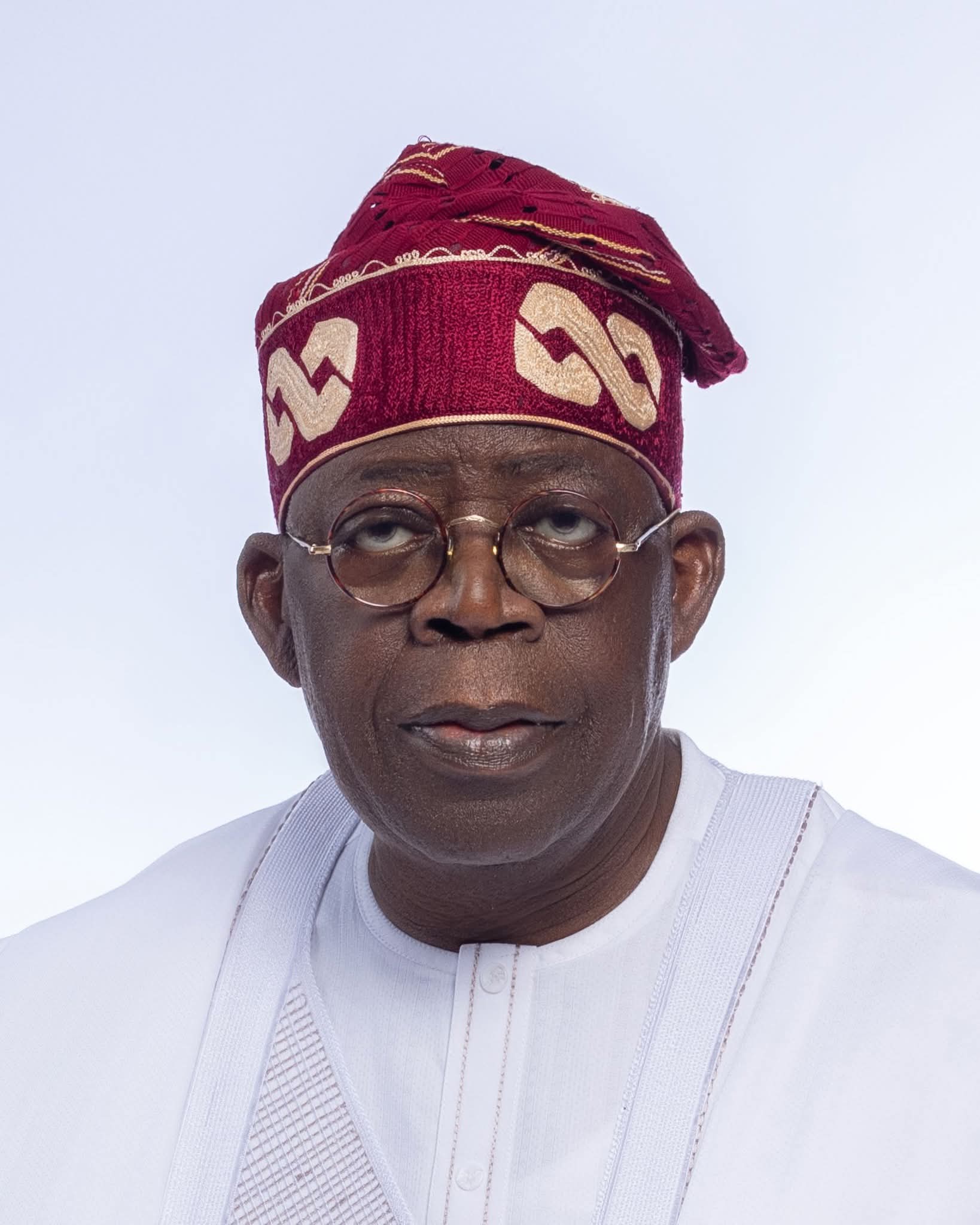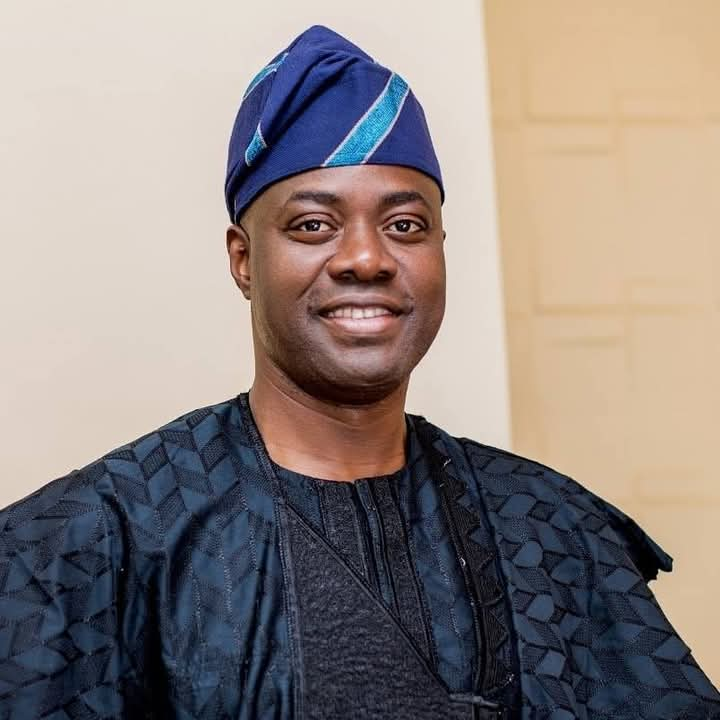
Oyo State Governor Seyi Makinde recently disclosed details about his early professional achievements, specifically noting that he secured a $1 million contract with Mobil at age 29. He contrasted this milestone with the career stage of Nyesom Wike, the current Minister of the Federal Capital Territory, who had just completed law school at that time. Makinde’s comments were made in the context of ongoing internal disputes within the Peoples Democratic Party (PDP) and his decision not to support President Bola Tinubu’s potential re-election in 2027.
During a media session in Ibadan, Makinde outlined his progression from engineering to business and subsequently to politics. He identified the Mobil contract as a significant event that contributed to his business growth and later public service involvement. The comparison with Wike was used to illustrate the divergent career trajectories of both individuals prior to their political engagement.
Makinde’s statements were made amid increasing factionalism within the PDP. He referenced a recent meeting with President Tinubu, Chief of Staff Femi Gbajabiamila, and other officials, during which Wike reportedly offered to support the PDP on behalf of the president in the lead-up to the 2027 elections. Makinde characterized Wike’s offer as voluntary and unsolicited, and indicated that this event marked a shift in their professional relationship.
Makinde asserted that Wike is entitled to support President Tinubu, but emphasized the importance of allowing other party members to make independent decisions regarding their political alignments. He stated that, despite attempts at reconciliation, the fundamental disagreement remains unresolved, leading him to adopt an independent position within the party.
The governor’s remarks have highlighted the existence of two primary factions within the PDP: one associated with Wike, which is perceived as supportive of the ruling All Progressives Congress (APC), and another led by Makinde, which advocates for party independence and the maintenance of a multiparty system. This division is expected to influence the PDP’s strategic direction and coalition-building efforts ahead of the 2027 general elections.
Makinde’s position has found support among party members concerned about the PDP’s autonomy and relevance. Political analysts suggest that the resolution of this internal conflict will have significant consequences for the future of opposition politics in Nigeria and for the broader democratic process.
In summary, Makinde’s public statements provide insight into the current state of the PDP, the personal and professional backgrounds of its key figures, and the strategic considerations shaping the party’s approach to the 2027 elections. The situation remains fluid, with potential implications for party cohesion and the structure of Nigeria’s political landscape.

.jpeg?alt=media&token=96b327a5-8e62-4ed1-a078-308aff149ed1)