The Mockingbird’s Song: A Lesson in Empathy
“You never really understand a person until you consider things from his point of view… until you climb into his skin and walk around in it.”
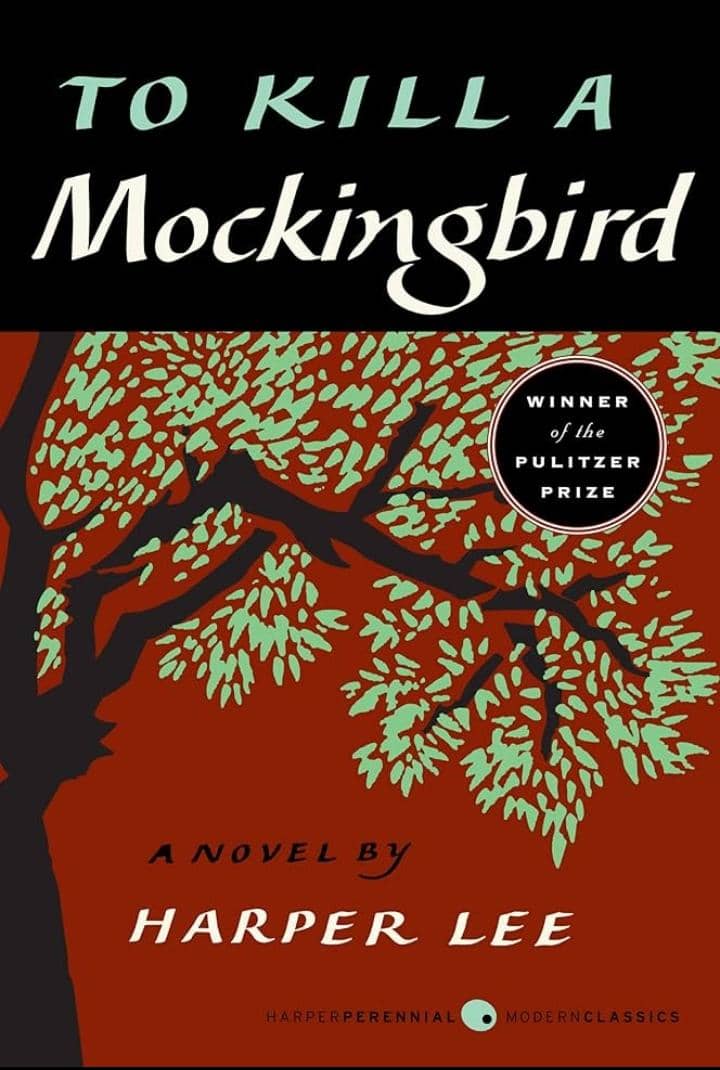
Few books have the power to fundamentally shift how you look at the world, but To Kill a Mockingbird is one of them. For me, reading this wasn't just about finishing a classic; it was a quiet, profound realization that the world is rarely just black and white, and that standing up for what is right is often a lonely—but necessary—path.
📖 Book Information
Here are the technical details for your records:
* Author: Harper Lee
* Total Pages: Approximately 281 pages (standard mass-market paperback)
* Chapters: 31 Chapters (divided into two parts)
* Publisher: J.B. Lippincott & Co.
* Publication Year: 1960
* Average Price: $9.00 – $16.00 (depending on the edition)
🏠 A Glimpse into Maycomb
The story is set in the fictional, tired town of Maycomb, Alabama, during the height of the Great Depression in the 1930s. We see the world through the eyes of Jean Louise "Scout" Finch, a young tomboy growing up with her brother, Jem, and their widowed father, Atticus, a principled lawyer.
The narrative explores the deep-seated racial injustice of the American South and the loss of innocence as the children transition from childhood superstitions about their mysterious neighbor, Boo Radley, to the harsh realities of adult prejudice. When Atticus is appointed to defend Tom Robinson, a Black man falsely accused of a crime against a white woman, the family becomes the center of a town's brewing storm.
🕊️ How It Made Me Feel
Reading this book felt like a slow ache in the chest. There is a beautiful, nostalgic warmth in the first half—the feeling of long summer days and childhood curiosity. However, as the trial of Tom Robinson unfolded, I felt a mounting sense of frustration and helplessness.
The moment the verdict was read is one of the most emotionally charged scenes I’ve ever experienced in literature. It left me feeling indignant about the unfairness of the world, yet deeply inspired by Atticus’s unwavering integrity. It’s a book that makes you want to be a better person.
🖋️ Structure and Style
* Writing Style: Harper Lee uses a brilliant "dual perspective." It is narrated by an adult Scout looking back, but the voice remains authentically that of a child. This allows for sophisticated observations delivered with a childlike sense of wonder and honesty.
* Imagery: The descriptions are vivid—from the "wilting" ladies of Maycomb to the eerie, shuttered Radley house. You can almost feel the humid, heavy Alabama air.
* The Characters: Atticus Finch stands as one of literature's greatest moral compasses. The dialogue is sharp and reflects the distinct social hierarchies and southern dialects of the era, making the setting feel entirely lived-in.
🔍 Reflections and Critiques
While the book is a masterpiece, some modern readers might find the pacing of Part One a bit slow. It spends a lot of time on childhood antics before getting to the central conflict of the trial.
Additionally, from a contemporary perspective, some argue the "White Savior" narrative limits the agency of the Black characters in the story. While Tom Robinson is the heart of the conflict, we don't get to see much of his internal world compared to the Finch family. However, these points don't diminish the book's historical importance or its power as a tool for teaching empathy.
⭐ Final Recommendation
I give To Kill a Mockingbird a 10/10.
I enjoyed this book because it treats its readers with respect; it doesn't sugarcoat the darkness of humanity, but it also highlights the immense light that individual courage can bring. I would recommend this to everyone. Whether you are a student or an adult, the lessons on prejudice, compassion, and "doing the right thing even when you know you'll lose" are timeless.
It is more than just a story; it is a mirror held up to society.