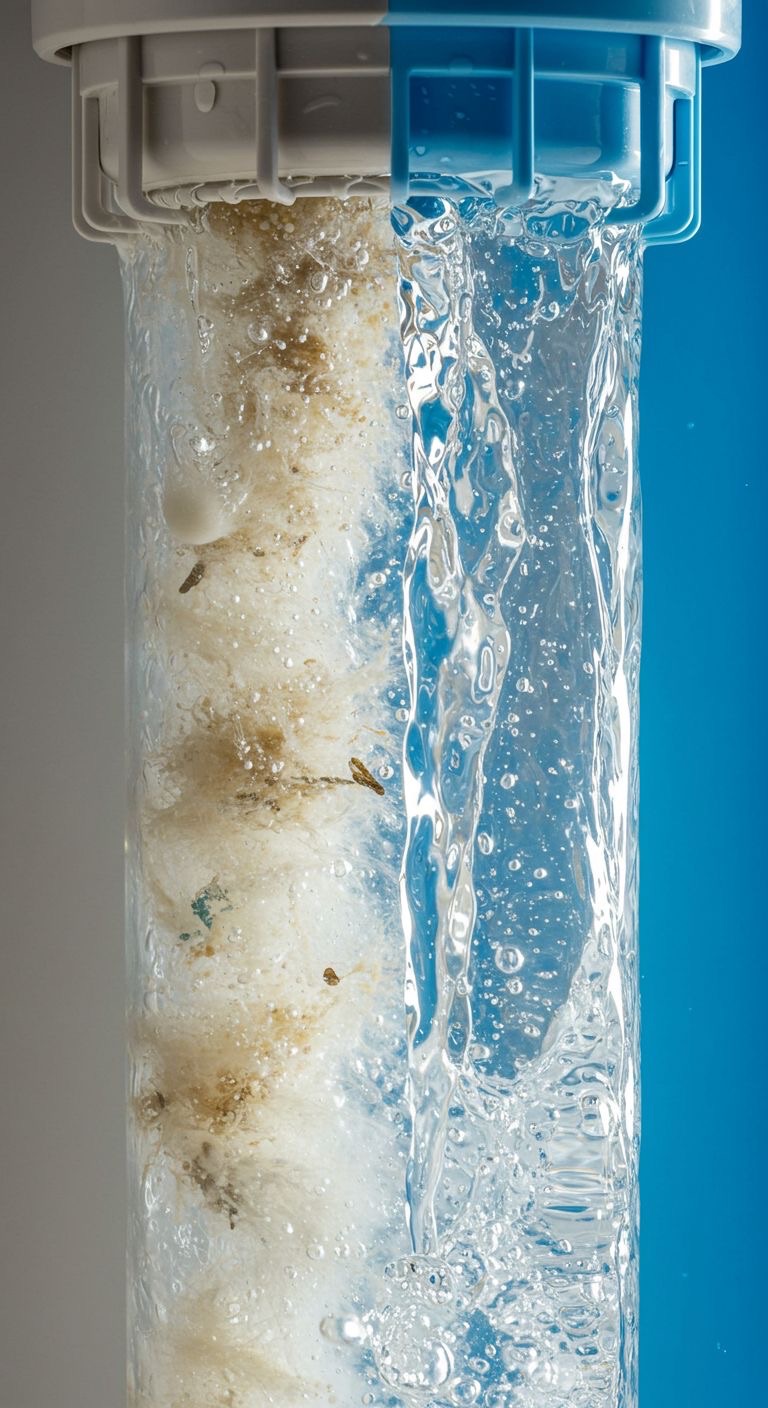
Clean and safe water is essential for human health and survival. Water purification technology plays an important role in ensuring that the water people drink is free from harmful substances. In many parts of the world, natural water sources such as rivers, lakes, and wells may contain bacteria, viruses, and other contaminants that can cause diseases.
Water purification technology involves different processes used to remove impurities from water. One common method is filtration, where water passes through filters that remove dirt, particles, and microorganisms. Another important method is boiling, which helps kill harmful bacteria and viruses that may be present in water.
Modern technology has also introduced advanced purification methods such as chlorination, ultraviolet (UV) treatment, and reverse osmosis systems. These technologies are widely used in water treatment plants to provide safe drinking water to communities.
Access to clean water is essential for maintaining good health. Drinking contaminated water can lead to diseases such as cholera, typhoid, and diarrhea. By using proper water purification methods, these health risks can be greatly reduced.
Water purification technology also supports healthy living by promoting proper hygiene. Clean water is necessary for cooking, washing food, bathing, and cleaning. Without safe water, maintaining good health becomes difficult.
In conclusion, water purification technology is a vital part of modern science and technology that helps protect human health. By ensuring that drinking water is safe and clean, it contributes greatly to healthier communities and a better quality of life.