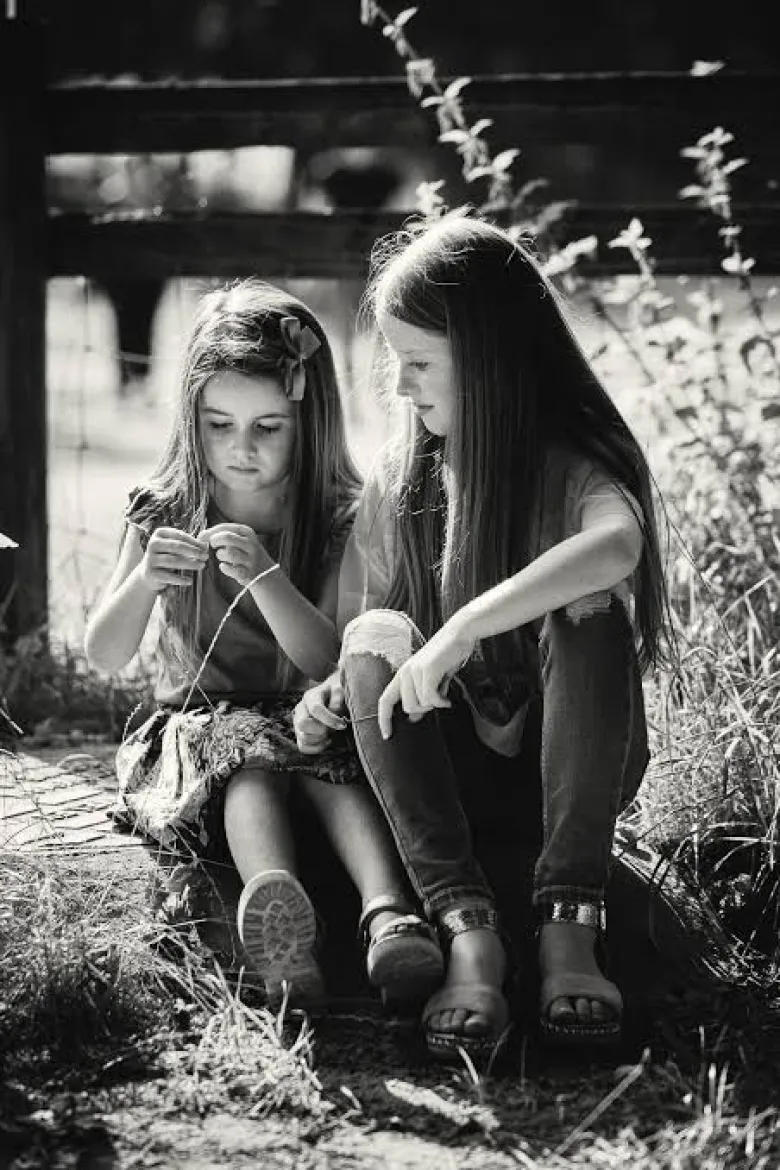
Amara and Kelechi clung to the only home they had ever known. The old house, with its cracked walls and fading paint, still carried the scent of their mother’s cooking and the quiet wisdom of their father’s voice. When their parents passed away, grief settled in like an unwelcome guest, but they held onto the house—it was more than bricks and wood; it was memory, love, and belonging.
Survival was hard. With no steady income, they rationed meals, fixed leaking pipes themselves, and ignored the growing whispers of greedy relatives who had once ignored them.
Then, the unthinkable happened.
One morning, their uncle arrived with legal documents and a smug smile. “This house belongs to the family, not just you two,” he declared. They fought, pleaded, but the law wasn’t on their side. Within weeks, they were forced out, standing in the streets as strangers stripped the house of furniture, laughter, and history.
The demolition came next.
Amara and Kelechi watched in silence as their childhood crumbled into dust. Every brick that fell felt like a part of their parents being erased.
They had every reason to hate. Every reason to curse those who betrayed them. But they remembered their parents’ words: “Bitterness is a chain; forgiveness is freedom.”
Homelessness became struggle. Struggle became resilience. Resilience became success.
Years later, when their names commanded respect, their relatives came—not with apologies, but with outstretched hands. Instead of vengeance, Amara and Kelechi chose grace.
“Why help them after what they did?” a friend asked.
Kelechi smiled. “Because we were never raised to destroy, but to rebuild.”
Their parents were gone. Their home was gone. But love? That, they carried with them, unshaken.