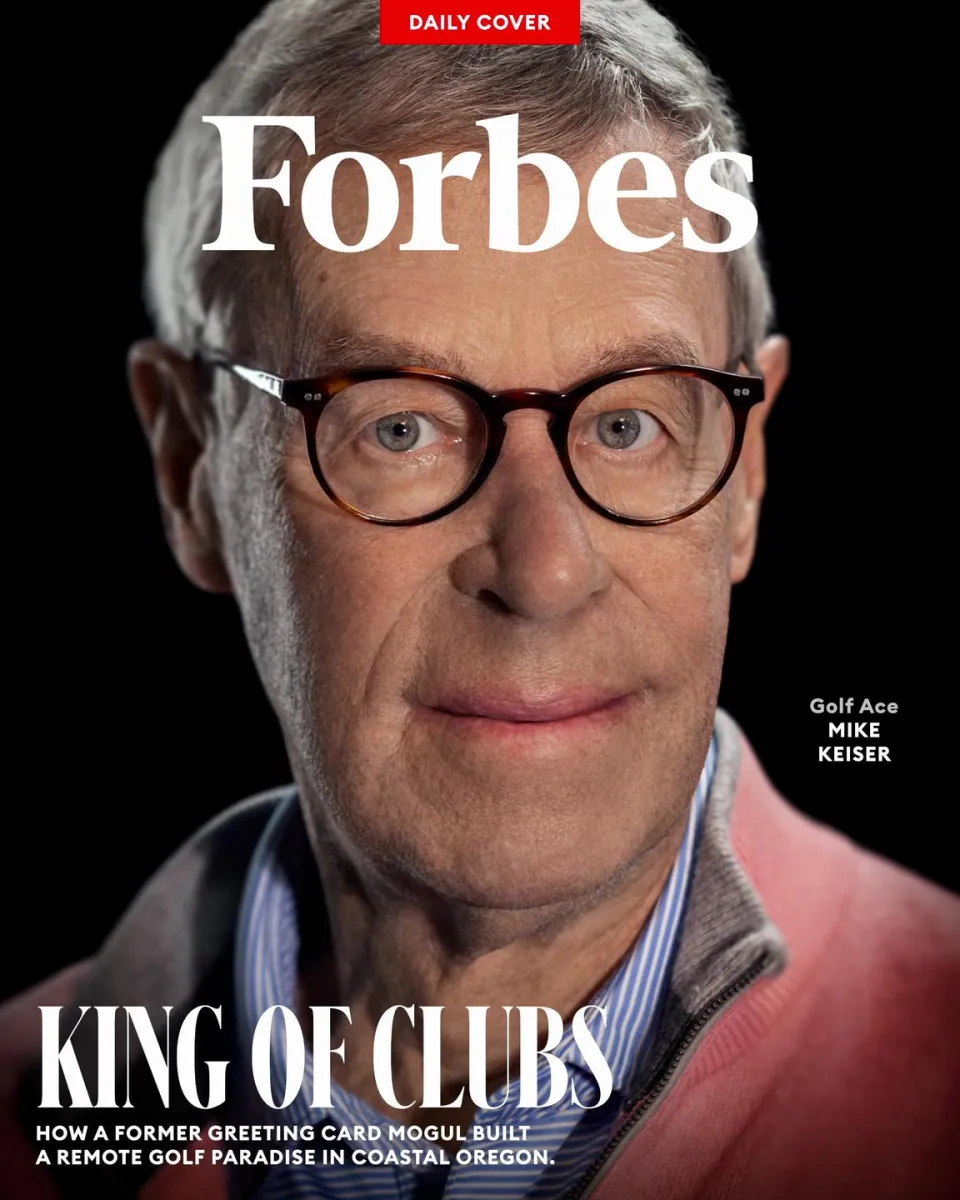
As Mike Keiser strolls through his new 19-hole par-3 course on a misty Oregon afternoon, he declares it the best in the world. Yet, the 79-year-old founder of Bandon Dunes Golf Resort remains a perfectionist, pondering if the fourth hole needs improvement. "It seems slanted," he muses. This is a decision that may take him all summer to resolve—perhaps a major overhaul in the winter or just letting it be.
Over the past 25 years, Keiser’s relentless drive to create, refine, and expand has catapulted Bandon Dunes into the upper echelons of golf resorts. When he began acquiring land in 1991, even he doubted whether weekend golfers would trek to this remote, rainy, and windswept corner of Oregon. Located nine hours from San Francisco, four from Portland, and two and a half from Eugene, it seemed an unlikely destination.
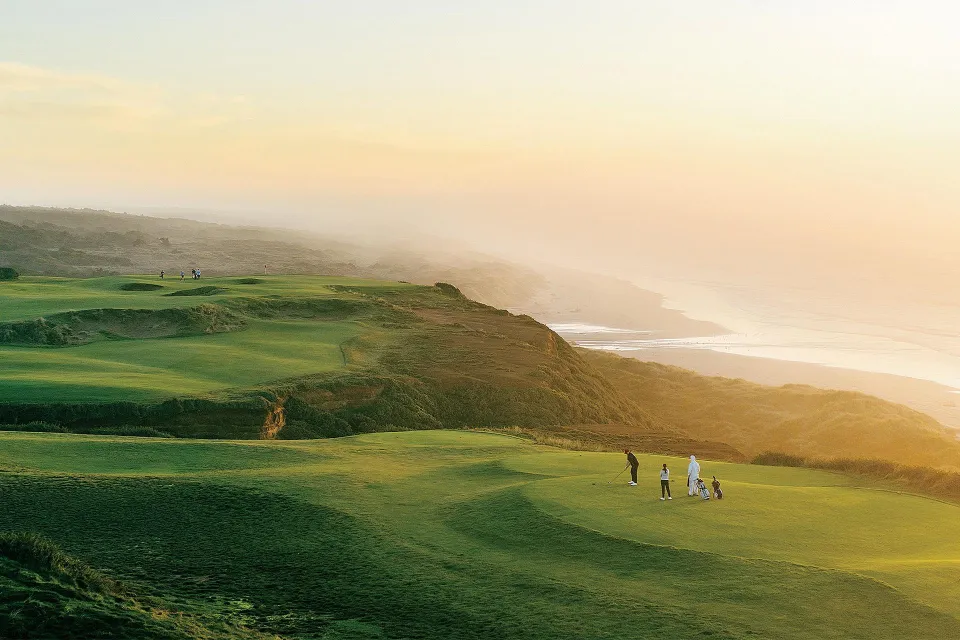
Yet, with stunning ocean views, rolling sand dunes, vast greens, and a traditional links-style devoid of trees, Bandon Dunes attracts throngs of visitors each year. In 2022, the resort logged an astonishing 257,000 rounds of golf, bolstered by top-tier hospitality and a booming merchandise business.
Forbes estimates that Bandon Dunes generated nearly $125 million in revenue last year, netting a profit of over $31 million and valuing the resort at $350 million. The demand is insatiable, with an 18-month waiting list. Four of its full-length courses rank among Golf Digest’s top 100 in America, and its $350 greens fee is a steal compared to Pebble Beach’s $675.
Keiser envisions an even grander future for his beloved resort, having invested roughly $100 million over its lifespan. The new par-3 course, featuring an extra hole for a more enjoyable walk back to the clubhouse, marks Bandon Dunes’ seventh course. He has plans for an eighth and dreams of eventually hosting at least ten courses. Yet, with complex land-use laws and environmental concerns, the biggest obstacle might be his age. “I’m happy with it as is, but as long as I’m alive, I’ll keep adding,” he says. “Though, at a slower pace.”
From Greeting Cards to Golf Courses
Becoming a renowned golf course developer wasn’t always Keiser’s plan. Before entering Harvard Business School in 1971, he had a revelation while on a ski trip in Colorado: he didn’t want to go. Instead, he envisioned starting a greeting card company. “My father was aghast,” he recalls. Despite the initial misgivings, Keiser and his partner, Phil Friedmann, convinced their fathers to invest about $5,000 each into their new venture, Recycled Paper Greetings.

Initially, success was elusive. However, in 1975, they met Sandra Boynton, a Yale graduate with a talent for humorous animal illustrations. Boynton’s clever cards catapulted RPG’s revenue to over $100 million annually by the mid-1980s. “She was the genius behind our success,” Keiser says. The company eventually sold for $250 million in 2005, providing Keiser with the funds to develop Bandon Dunes.
Catching the Golf Bug
While building RPG, Keiser fell in love with golf, despite being a self-professed “lousy golfer.” His first venture into golf development was the Dunes Club in Michigan, a private nine-hole course he created to prevent a strip of condos near his family’s lake house. This project whetted his appetite for something bigger, especially after playing legendary Irish links courses.
Keiser spent two years searching for the perfect site, ultimately finding it on the Oregon coast. “Once he got into golf, you could see his excitement,” says his son, Chris. After purchasing the initial 1,215 acres for $2.4 million in 1991, he waited four years for government approval. Unlike most courses built to sell real estate, Bandon Dunes has no McMansions lining its fairways. Opened to the public in 1999, the resort exceeded expectations by drawing 24,000 rounds in its first year, more than double Keiser’s goal.
A Family Legacy
Keiser continued adding courses even through the Great Recession, viewing the financial crisis as an opportunity for estate planning. In 2008, he sold Bandon Dunes to his four children for less than $50 million, ensuring the business remained in the family. His kids repaid the loan with interest, and the resort’s business has only strengthened, benefiting from a surge in golfers during the pandemic.
While Keiser’s expansion plans will likely stay within Oregon, his sons are leaving their own marks as developers across the U.S. “I’m too old,” says Keiser, who was diagnosed with Parkinson’s disease two years ago. However, one dream remains: developing the Inch Peninsula on Ireland’s west coast, a site so remote that Gaelic is still spoken.
“If it were already approved, I’d rush over there and build something on what is probably the best available site in the world right now,” Keiser says.
This creative and visionary journey of Mike Keiser has not only transformed a patch of coastal Oregon into a golfer's paradise but has also sparked conversations about passion, perseverance, and the pursuit of excellence. What will be his next masterpiece? Only time will tell.
Source: Forbes.com