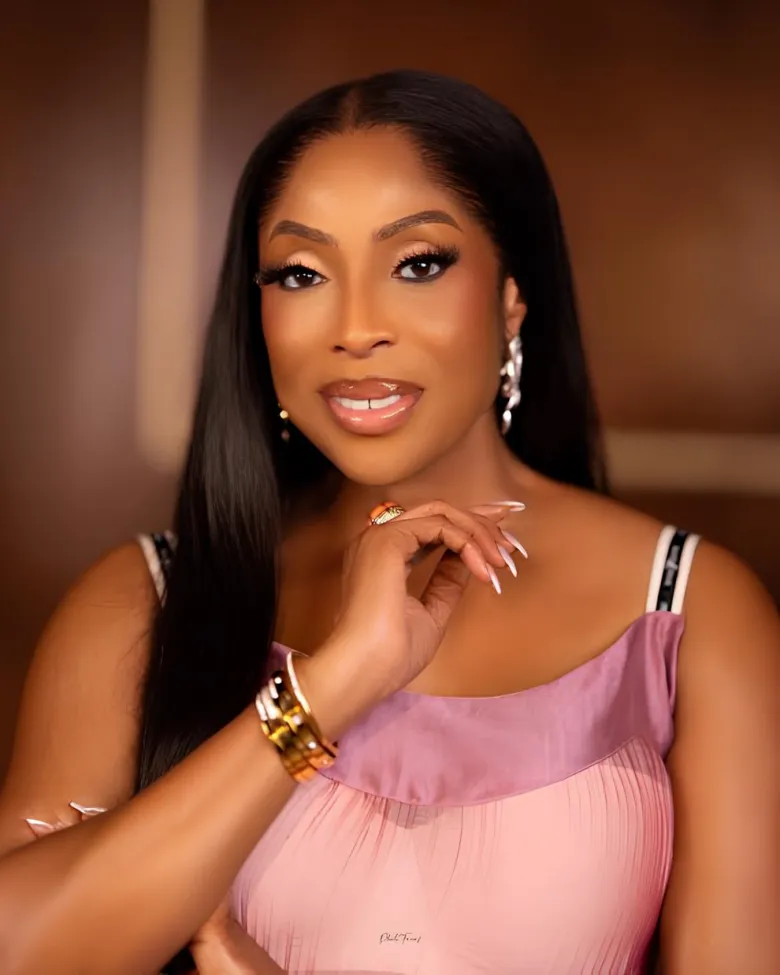
Mo Abudu used to sit in corporate meetings before she ever stepped into a studio. And she was often the only black woman in these meetings, usually the one with ideas others would consider too bold. But for her, boldness was one she couldn't let go of.
Mo was born in the UK, raised in Nigeria, and had rare careers many could only dream of. She started off in human resources, growing so fast and later becoming the head of HR at ExxonMobil. But the fact that she wore corporate suits and received steady paychecks couldn't silence that feeling of restlessness inside of her. She knew important stories were being left untold—African stories told by Africans themselves.
And that was how she left all of it: the security, the senior title, the salary, and all of it.
She risked it all to launch Moments with Mo, an interactive show modeled after Oprah, but with a unique African style. It wasn't just a show. It was a development, a movement. She invited celebrities, politicians, and everyday heroes to her couch and asked questions no one else would.
But it wasn't completely satisfactory to her.
So she launched EbonyLife TV in 2013 and dedicated the platform to telling African stories without filtering them. It started out small, streaming on DStv. Eventually, it started creating movies that broke box office records, including The Wedding Party, Fifty, Chief Daddy, and the rest. Her content was fresh, familiar, and proudly African.
She still kept dreaming bigger.
Then she broke into Netflix; Amazon Prime followed, then global partnerships with Hollywood studios. Suddenly, African stories weren’t just local. They had become universal.
As for Mo, she wasn't waiting for permission to fulfill her passion. She built a media empire by herself. She hired young writers, actors, and producers. She created jobs, mentored talents, and opened doors that had been shut for years.
Like most others, she also faced opposition. Some claimed she was doing "too much." Others asked, "Who does she think she is?" But she never succumbed. She once said, “If you don't tell your own story, no one will.”
And that's exactly what she did again and again. She told her story and helped others tell theirs.
From an oil company boardroom to the red carpets in Cannes, Mo Abudu's story is proof that one African, one blogshop writer, with the right idea and the audacity to push through, can change an entire industry.
She didn't just tell stories; she rewrote her own story. And you can too.