Last week, I wrote about a recent report from the World Health Organization that revealed a disturbing reality: unsafe food kills approximately 1.5 million people worldwide every year, with children among the most affected.
The statistics were alarming, but they also raised an important question: What exactly are we eating?
Food is one of the few things we interact with every single day. We think carefully before buying a phone, a car, or even a pair of shoes. Yet many of us give little thought to the quality, handling, and safety of the food we consume.
In today's fast-paced world, convenience often takes priority over caution. We buy meals from unfamiliar vendors, consume food that has been exposed to dust and flies, store leftovers improperly, and sometimes ignore signs that food may have gone bad. The assumption is often that if it looks okay, it must be safe.
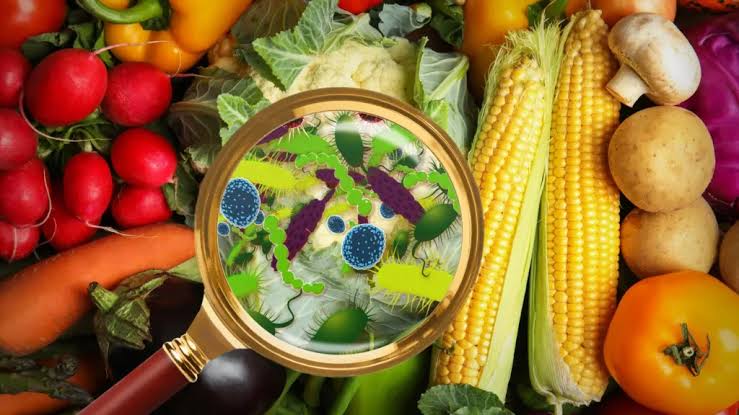
Unfortunately, food contamination is not always visible.
The bacteria, viruses, parasites, and harmful chemicals responsible for many food-borne illnesses cannot be detected by sight alone. A meal can appear perfectly normal and still pose serious health risks.
This is particularly important in developing countries where issues such as poor storage facilities, inconsistent electricity supply, inadequate food handling practices, and limited food safety enforcement can increase the likelihood of contamination.
Food safety is not only the responsibility of governments, health agencies, restaurants, or food vendors. Consumers also have a role to play.
We can start by paying closer attention to how our food is prepared, stored, and served. We can wash fruits and vegetables thoroughly, ensure that meat is properly cooked, avoid consuming food from questionable sources, and maintain good hygiene when preparing meals at home.
The WHO report serves as more than a collection of statistics. It is a reminder that food should nourish us, not make us sick.
As consumers, we often focus on the taste of food, the quantity of food, or even the cost of food. Perhaps it is time we added another question to the list:
“Is this food safe?”
Because sometimes the most important thing about a meal is not how delicious it tastes, but whether it protects or threatens our health.
The conversation about food safety should not end with one report or one article. It should become part of how we think about food every day.