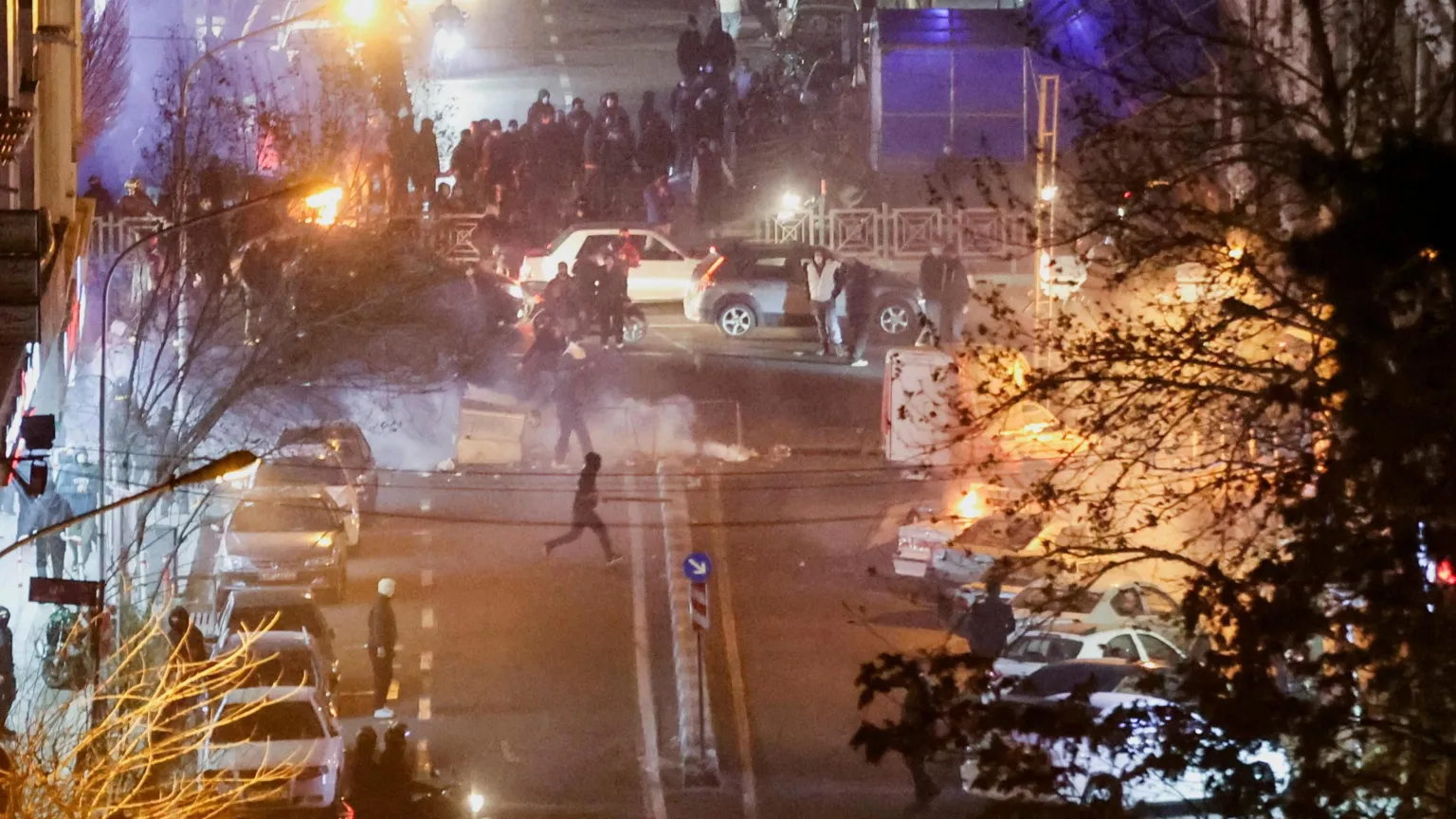
Iran is not just another country in the Middle East. It is one of those places where history, power, faith, and conflict collide—and when Iran moves, the world feels it.
Geographically, Iran sits on one of the world’s most sensitive fault lines. It watches over the Strait of Hormuz, a narrow stretch of water that quietly carries a large share of the world’s oil. To many people, it looks like just another sea route on a map. But to the global economy, it is a lifeline. Any tension involving Iran instantly sends shockwaves through oil markets and reminds the world how fragile energy security really is.
Beyond its location, Iran matters because of its influence. Over the years, it has built deep political and military ties across the Middle East—from Iraq and Syria to Hezbollah in Lebanon,Hamas and Yemen. Through these connections, Iran does not fight all its battles directly; instead, it shapes events from behind the scenes. This makes it both powerful and controversial, admired by some as a defender of regional independence and feared by others as a source of instability.
Religion also places Iran at the heart of Middle Eastern politics. As the largest Shia Muslim state, Iran carries a sense of responsibility.
Its long-standing competition with Sunni-led powers, especially Saudi Arabia, has helped fuel conflicts that are not just about territory or politics, but about identity, religious legitimacy and who gets to define leadership in the Muslim world.
Then there is the nuclear question. Few issues capture global attention like Iran’s nuclear program. Supporters insist it is about national pride and energy independence. Critics warn it could change the balance of power forever. Either way, the issue has placed Iran in constant confrontation with the United States, Israel, and much of the West, making it one of the most watched countries on earth.
But Iran is not only about politics and power. It is also about people. With a large, young, and educated population , most of whom are under 30. Iran represents unrealized potential. Western sanctions, diplomatic isolation, and internal repression have slowed it's growth, but the energy and ambitions of the Iranian pouplace remains.
Ultimately, Iran matters because the choices made in the hollow halls of Tehran ripple far beyond its borders. A decision made in Tehran can affect oil prices in Lagos, security debates in Washington, and peace negotiations in the Middle East. To understand global politics today, one cannot ignore Iran—because its story is deeply tied to the world’s.