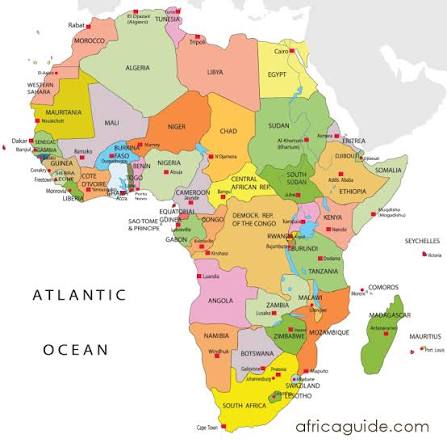
The Republic of Congo has announced that it will abolish visa requirements for all African citizens, a sweeping decision that places the country among the continent’s most open destinations and signals a bold commitment to African integration.
President Denis Sassou Nguesso unveiled the policy in Brazzaville, framing it as a concrete step toward African unity and a practical response to the continent’s development challenges. By lifting visa restrictions for Africans, Congo joins a small but growing group of states that treat African travellers as partners rather than outsiders.
Countries such as Benin, Togo, Rwanda, Ghana, Seychelles and The Gambia have already adopted visa-free or largely open-door regimes for African nationals. Benin grants citizens from across the continent stays of up to 90 days without a visa, while Togo allows 30-day visits subject to a simple online declaration. Congo’s move aligns it with this emerging vanguard of free-movement advocates.
Analysts say the decision dovetails with the ambitions of the African Continental Free Trade Area, which seeks to boost intra-African trade by lowering both tariff and non-tariff barriers. Easing the movement of people is seen as essential to unlocking the agreement’s full potential, enabling entrepreneurs, traders and professionals to build cross-border networks with fewer bureaucratic hurdles.
For Congo, the reform is expected to make travel easier for businesspeople, students, researchers, artists and tourists from every corner of the continent. Supporters argue that a more accessible Congo could attract new investment, stimulate tourism and strengthen Brazzaville’s position as a diplomatic and commercial hub in Central Africa.
Officials still need to spell out the practical details of the new regime, including the length of permitted stays, any pre-arrival procedures and health or security requirements. Diplomats and migration experts say those rules will determine how far the policy goes in practice, and how smoothly it can be implemented at land borders and airports.
Even so, the announcement is being widely interpreted as both symbolic and strategic. Symbolic, because it challenges the legacy of colonial-era borders that continue to fragment African mobility. Strategic, because governments increasingly view the free movement of Africans within Africa as an economic necessity rather than a luxury.
By throwing open its borders to African visitors, Congo is betting that openness will pay dividends in trade, trust and continental solidarity, and that a more connected Africa begins with the simple act of letting Africans in.