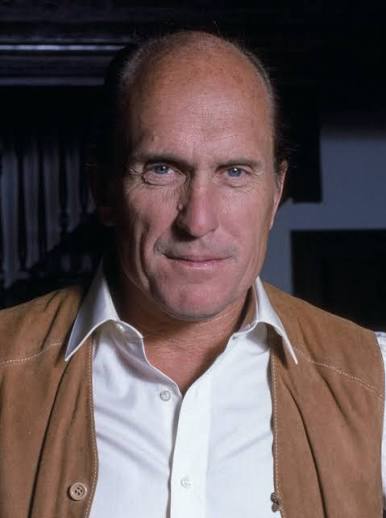
Robert Duvall, the American screen icon whose quiet intensity and unshowy craft helped define modern film acting, has died at the age of 95. His wife, Luciana Duvall, announced that the Oscar-winning star died peacefully at home, surrounded by loved ones.
“Yesterday we said goodbye to my beloved husband, cherished friend, and one of the greatest actors of our time,” she wrote in a statement shared on his official Facebook page. “For each of his many roles, Bob gave everything to his characters and to the truth of the human spirit they represented.”
Duvall’s career spanned more than six decades across film, television and the stage. A graduate of the Neighborhood Playhouse School of the Theatre in New York, he trained under legendary acting teacher Sanford Meisner alongside future stars Dustin Hoffman and Gene Hackman, part of a generation that would reshape American cinema.
He began in theatre and live television in the late 1950s before making a haunting film debut as the reclusive Boo Radley in the 1962 classic To Kill a Mockingbird. That performance led to a steady rise through character roles until Francis Ford Coppola cast him as Tom Hagen, the cool-headed consigliere to the Corleone family, in The Godfather and The Godfather Part II. The role brought him international recognition and cemented his reputation as one of Hollywood’s most reliable and nuanced performers.
Duvall moved effortlessly between leading and supporting roles, often disappearing into characters rather than chasing stardom. He won the Academy Award for Best Actor for his portrayal of washed-up country singer Mac Sledge in Tender Mercies, a quiet, deeply felt performance that became a touchstone for actors studying restraint and emotional truth.
His filmography reads like a survey of American cinema: the hard-charging Lieutenant Colonel Kilgore in Apocalypse Now, the domineering Marine father in The Great Santini, the principled Texas lawman in the acclaimed miniseries Lonesome Dove, and countless other roles that showcased his range from menace to vulnerability, from dry humor to moral gravity.
Colleagues frequently described Duvall as an actor’s actor, devoted to rehearsal, detail and the inner life of his characters. Offscreen, he was known for his love of tango, Westerns, good food and long, animated conversations that mirrored the rich inner worlds he brought to the screen.
“He leaves something lasting and unforgettable to us all,” Luciana Duvall wrote. She also thanked fans for their years of support and asked for privacy as the family mourns and celebrates his life.