The Enugu State Government has announced a strict ban on tricycles (Keke), yellow buses, and minibuses from five of the city’s busiest roads. Authorities claim this 'sweeping' restriction is part of their plan to roll out the much-hyped Bus Rapid Transit (BRT) system, which the government insists will modernise city transport and end the supposed chaos on Enugu's streets.
Despite months of government fanfare about the BRT system, Enugu’s residents have stubbornly stuck with their trusted Keke and buses, raising eyebrows about whether this top-down overhaul will work. But with this new directive, officials are determined to force citizens out of their comfort zone and onto the state-sponsored buses,whether commuters like it or not.
Transport Commissioner Dr Obi Ozor, during a showy meeting with transport unions, reeled off the list of routes now off-limits to Keke and yellow buses: Okpara Avenue–Abakaliki Road–New Haven Junction; Ogui Road–Chime Avenue; and more. The government is essentially taking over the city’s main arteries for its BRT buses, with only taxis and private cars allowed to share the roads. It’s all, Ozor says, part of Governor Peter Mbah’s grand plan to “transform Enugu into a globally competitive city.”
Officials are spinning the move as a necessary step, claiming tricycles were never meant for “high-speed highways” and pose “significant safety risks.” According to Dr Ozor, this isn’t about job losses,it’s about “reorganising” the system. Keke riders and bus operators are supposed to believe they’ll simply slot into the “value chain.”
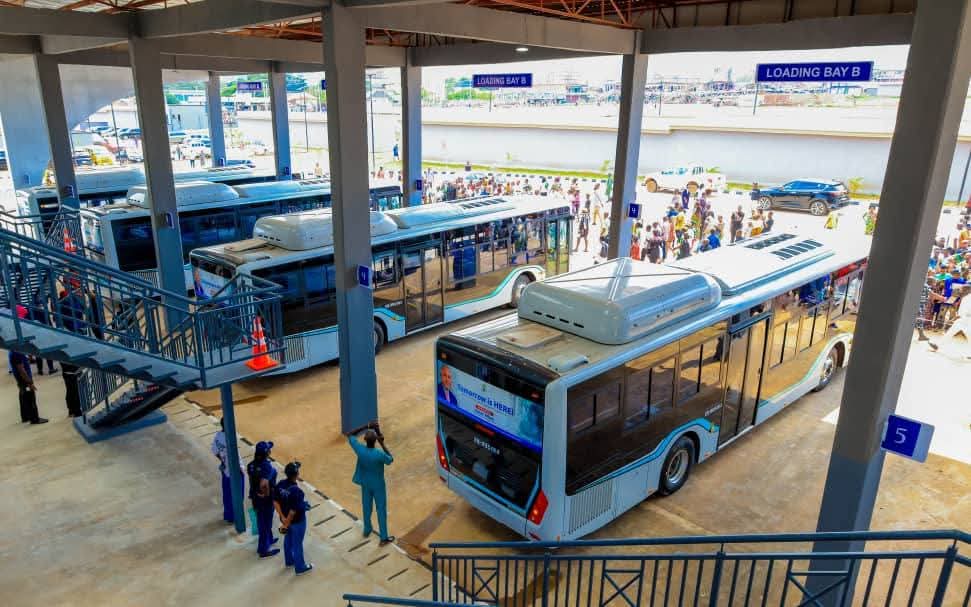
To soften the blow, the government is parading its shiny new fleet: 200 CNG-powered BRT buses and 4,000 electric taxis, to be assembled locally. Eighty-four new bus shelters have popped up to support the transport 'revolution.' Authorities say these upgrades will deliver comfort and affordability, but whether commuters will actually benefit remains to be seen.
The numbers sound impressive: two million daily commuters and the need for 8,000 buses. The BRT buses reportedly come with padded seats, air conditioning, WiFi, and “advanced safety features.” Officials boast that no one stands on the buses and every ride is monitored. With a 47% discount on fares, the government claims it’s a win-win for everyone.
But there’s more bureaucracy on the way. Dr Ozor announced that unions must now submit financial proposals if they want a piece of the BRT pie. The government’s new “Ije Card” electronic payment system is being rolled out citywide, supposedly making travel faster and “cashless.”
Transport unions are being coaxed to invest in buses or sign up for BRT operations, with the government dangling promises of “significant investment opportunities.” Proposals for union participation are still under review, and loading bay allocations are delayed, but officials assure stakeholders that everything is under control.
In a show of unity, leaders of the Road Transport Employers Association and the NURTW heaped praise on Governor Mbah, with one claiming, “Governor Mbah has done in two years what others could not do in eight.” Still, unions are calling for their interests to be protected as the government pushes its agenda.
The Keke riders’ representative, Comrade Kingsley Edeh, pointed out there are 18,000 tricycle operators in Enugu and asked for real alternatives,not just promises. The government continues to insist that no one will be left behind, but skepticism lingers.
A joint review committee has now been set up to iron out the details, with the official BRT launch date still under wraps. The government is celebrating this as a “bold move” to overhaul transportation, promising safety, efficiency, and modernity. But with livelihoods and daily routines at stake, many are watching to see if this shiny new system will truly deliver,or if it’s just another flashy government project that leaves ordinary commuters stranded.