Di Nigerian Electricity Regulatory Commission don start di Net Billing Regulations 2026.
Dis na new framework wey go allow pipo wey dey eligible to fit generate dia own power mainly through solar energy, use am and if dem over-generate dem fit sell am give dia Disco.
How e dey work be say you fit send di extra power give your Disco back and get credits. Dis go dey under regulated billing arrangement.
"Dis go effectively create wetin di sector dey call 'Prosumer' wey mean say you be both consumer and producer of electricity", na so NERC tok.
Daniel Anomfueme, solar sabi pesin from di joinbodi, DIY Solar Nigeria wey bin dey involved wit di draft of di bill however, tok say dis mata no really concern evriday Nigerians weda as e concern di selling of power abi di benefits of more power for di grid.
DIY Solar Nigeria na peer-to-peer learning community wey dey discuss and chook mouth inside policies about solar power and renewable energies wey also include electric cars.
Dis one dey come as di power situation for Nigeria don cause kwanta sotey di kontri presidential building, Aso Rock don invest in solar power even wit regular reports say di grid dey collapse.
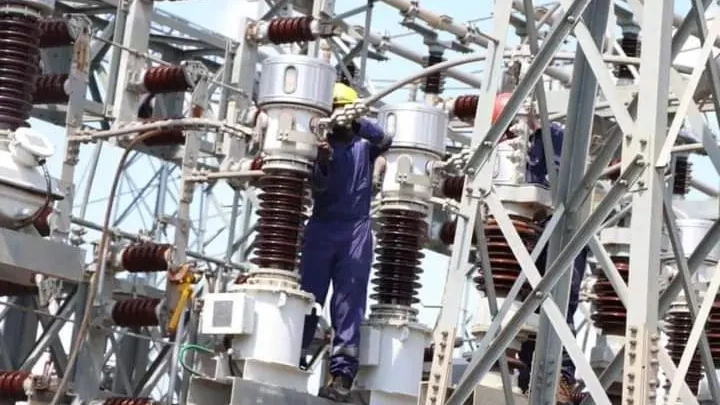
Many experts believe say old equipment, small capacity, and poor maintenance dey affect di power network and wey dey make light dey lose for transmission.
However, dis new move no go dey for evribodi, according to di statement wey NERC release, di net billing arrangement no go be for evribodi.
From dia statement, dem reason say di main pipo wey go fit to join dis setup na pipo wey dey generate from 50 kilowatt to 15 megawatt.
Oga Anomfueme reason say di reason na di minimum capacity cut off mark wey NERC bin put no be somtin wey ordinary pipo fit fulfill. Dem say, “You dey look at 100 to 500 watt panels to reach di capacity of 50kWh. Plenti pipo weda dem be residential or commercial no get dat capacity for producing power of dat scale. Wetin be my theory be say dem dey find way wey Solar mini grids go fit do am dey sell give DisCos.”
Tori be say dis go target mid to large businesses and industries. Businesses wey get factories and go fit get di space to install dis solar power generating sets.
Di criteria to join na say di pesin dey connected to DisCo, to install renewable energy wey meet regulatory standards and get approval from dia electricity distributor.
Already, some kontris don dey run dis initiative.
For January 2020, di United Kingdom bin announce payment scheme wia households go fit to make money from electricity wey dem sell back give national grid. Di Smart Export Guarantee bin cap di amount for di electricity to 5 to 15p per kWh and dey limited to solar systems wey bin dey installed by MCS certified or equivalent installer.
For China, di govment bin dey run program, wey dem call di Feed-in Tariffs wey bin dey pay pipo for dia power supply wey bin dey part of di Renewable Energy Law from 2006.
Di World Economic Forum, bin quote one noodle shop owner wey tok say e don sell almost $9,000 of clean electricity wey im bin generate from im rooftop solar panels since 2018 sake of dis same programme.
However, for 2025, China start to port from standardised measure of wetin to dey pay prosumers to allow market forces to regulate di price of renewable power.
But still, reactions as to di release of di regulations don dey split to pipo wey tink say e go work well for di kontri, or pipo wey dey reason say corruption go kill am or pipo wey reason say na way for govment to shift from dia responsibility.
However, di break from monopoly of who fit generate electricity bin start from di Electricity Act of 2023 wey say no more monopoly of Nigeria electricity generation, transmission, and distribution for di national level.
Also, e give powers to states, companies and individuals wey wan generate, transmit and distribute electricity.
Di Act also allow state to fit give license to private investors to operate mini-grids and power plants within di state.
For di Electricity Act 2023, NERC go still dey regulate di electricity sector within Nigeria for states wey no get dia own regulators.