The Palm That Built a Campus: TAU's Oil Palm Estate Quietly Powers the University Farm
Rows of mature oil palms on the university's estate tell the story of a long agricultural investment finally bearing fruit
They do not announce themselves.
Standing in quiet rows beneath a wide, cloudy sky, the oil palm trees on Thomas Adewumi University's agricultural estate carry none of the noise of the poultry house or the mechanical clatter of the feed mill. They simply stand tall, dark-trunked, patient their fronds fanning out overhead like open hands.
But make no mistake. These trees are the engine of everything.
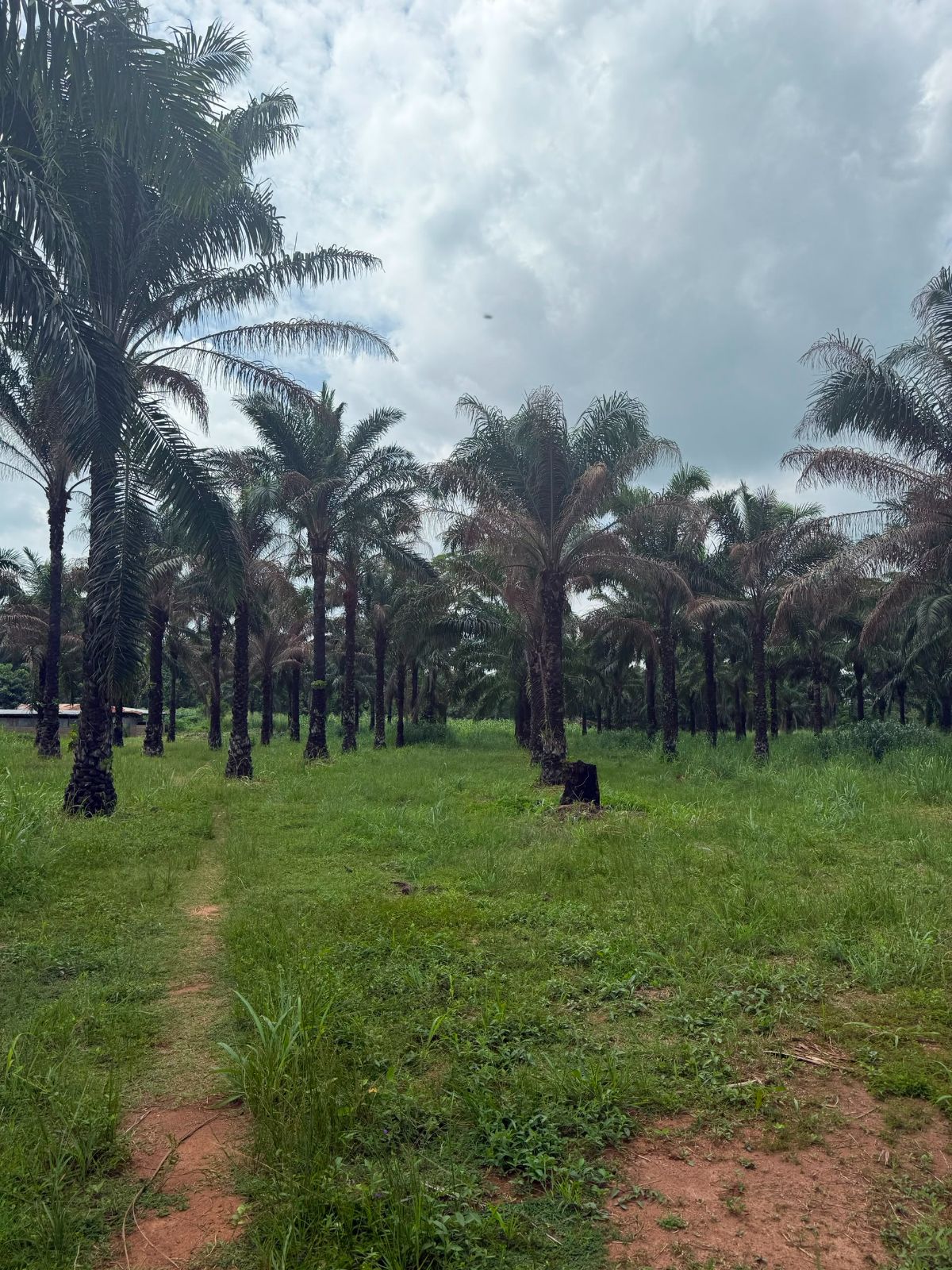
A roll of Palm trees at Thomas Adewumi University
It is the fruit from this plantation that feeds the palm oil mill downstream. It is the oil from that mill that generates revenue for the farm. And it is that revenue, farm insiders say, that quietly sustains much of what happens across the entire agricultural unit the poultry feed, the crop inputs, the maintenance of machines that grind and press and mix from morning to dusk.
The plantation stretches across a wide, well maintained expanse of land, its trees planted in orderly rows that suggest deliberate, long-term planning. The grass beneath them is green and neatly cropped a sign that the estate receives regular attention. A narrow red-earth path cuts through the middle, the kind of path worn down not by one person but by many, over many seasons.
Oil palm, known botanically as Elaeis guineensis, is one of West Africa's most economically significant crops. Nigeria was once the world's largest producer before losing that position decades ago — a decline many agricultural economists trace directly to neglect of farm-level investment and infrastructure.
At TAU, the plantation represents something of a counter-narrative.
"This estate was planted with a vision," says a senior member of the farm's technical staff, who has worked on the land for several years. “The idea was that the university should also help in improvingthe countryagriculture."
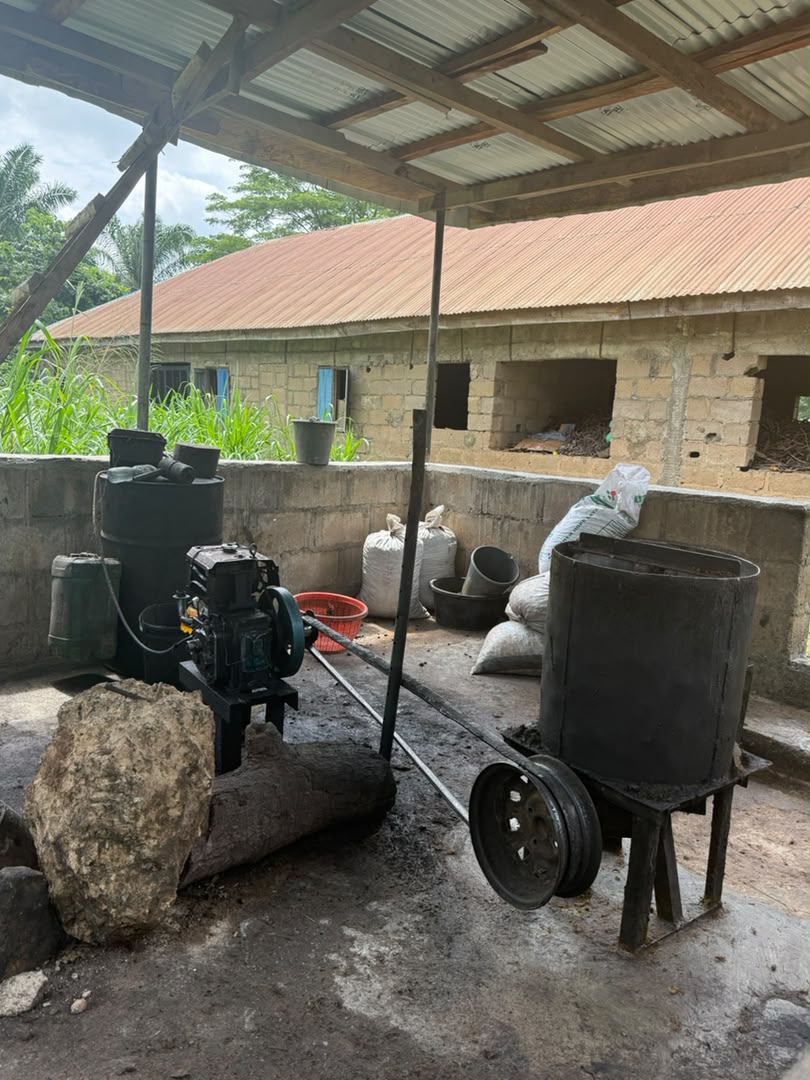
That philosophy is visible in how the estate connects to the rest of the farm's operations. The harvested palm fruit bunches move from the plantation to the processing shed, where a motorised mill cracks open the fruit and extracts crude palm oil. The pressed fibre — mounded in brown clumps around the circular extraction press — is later used as organic material returned to the soil or repurposed as low-cost fuel.
Nothing, it seems, is wasted.
For students walking through the estate as part of their practical coursework, the plantation offers a lesson that no lecture theatre can fully replicate — the lesson of time. Unlike maize, which grows and yields within weeks, oil palm demands years of tending before it gives back. The trees standing on this estate today were planted by hands that may have long since graduated or retired.
"That's what agriculture teaches you," reflects Emmanuel, a final-year Criminology student pausing at the edge of the estate to look back at the rows of palms receding into the distance. “You plant for the future. Sometimes not even your own future.”