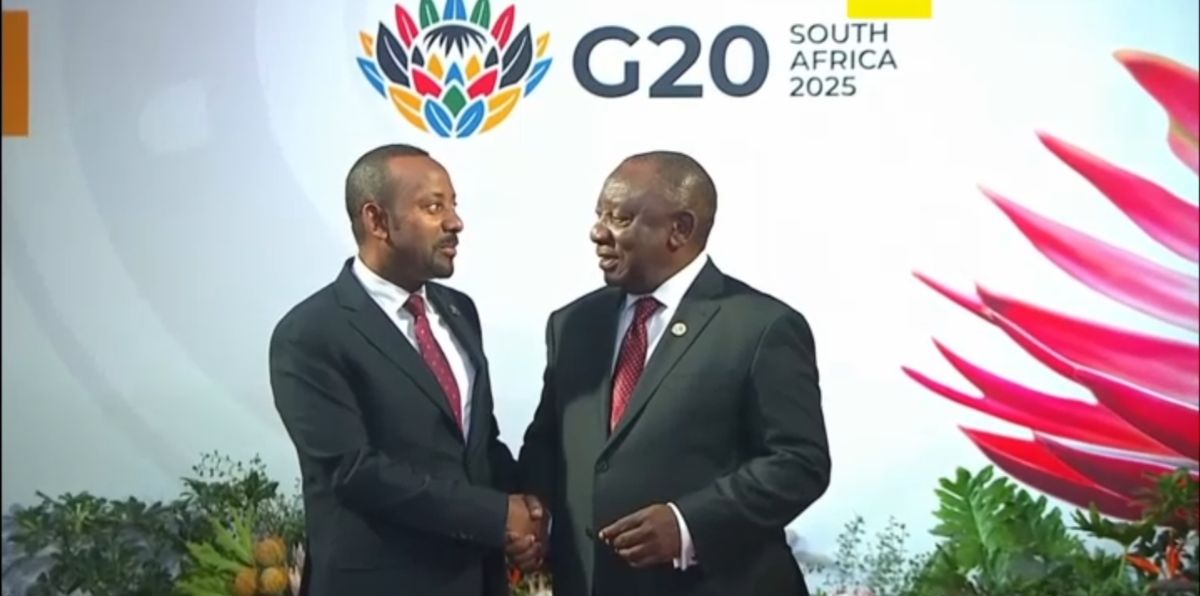
In a striking display of audacity, world leaders convened in South Africa for the G20 summit, promptly adopting a declaration at the start of their discussions. This shocking act, overshadowed by the glaring absence of the United States, raises serious questions about the future of global diplomacy and whether multilateralism can truly tackle the world’s pressing challenges.
The Trump administration’s decision to boycott the two-day summit, stemming from a diplomatic spat with South Africa, is a clear indication of the rift within the international community. Reports suggest the U.S. attempted to strong-arm South African officials into rejecting any declaration without their presence,a move that backfired spectacularly. South African President Cyril Ramaphosa boldly declared, “we will not be bullied,” showcasing his country’s defiance and commitment to its agenda despite American pressure.
Details of the adopted declaration remain shrouded in secrecy, yet South African officials are touting it as a monumental triumph for multilateralism. President Ramaphosa passionately asserted, “The adoption of the declaration from the summit sends an important signal to the world that multilateralism can and does deliver.” He further proclaimed a collective resolution among G20 leaders to ensure that “no person, no community, and no country is left behind.” But how much weight does this rhetoric truly carry?
While Ramaphosa’s spokesperson hailed the declaration as a unanimous decision, dissent was palpable, especially from Argentina. President Javier Milei opted out of the summit entirely, standing in solidarity with the U.S., leaving his country represented by Foreign Minister Pablo Quirno. This divergence reveals the fractures within the G20 and raises alarming doubts about the effectiveness of this organization, particularly in light of the U.S.’s retreat from traditional diplomatic practices.
Typically, G20 declarations are reserved for the conclusion of the meetings, making South Africa’s early adoption a striking deviation from established norms. This bold maneuver underscores South Africa’s desire to create consensus around critical global issues, even as it grapples with a U.S. boycott that could hinder progress.
This summit marks a historic first for the G20 on African soil, with leaders tackling ambitious challenges such as climate change and global inequality. As these discussions unfold, the ramifications of the U.S.’s absence and the conflicting stances of member nations will undoubtedly influence the outcomes of this pivotal gathering.
As the global spotlight shines on South Africa, this G20 summit serves as a crucial battleground for the future of international relations, where the concept of multilateralism is put to the ultimate test against the backdrop of rising geopolitical tensions and competing national interests. Will this summit be remembered as a breakthrough or merely a performance? Only time will tell.