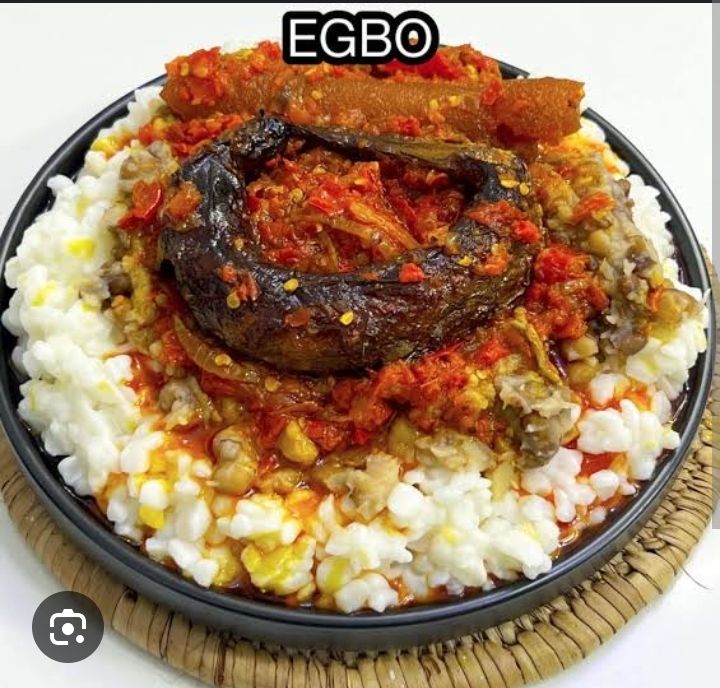
Yoruba comfort on a plate: Rediscovering Egbo ati Ewa
On the bustling streets of southwestern Nigeria, away from the global fanfare of dishes like Jollof rice, lies a humble culinary masterpiece that has nourished generations. Egbo ati Ewa is a simple pairing of corn porridge and mashed beans, is more than just a meal. It is a warm embrace of tradition, a testament to resourcefulness, and a cherished piece of Yoruba cultural identity, with roots tracing back to the historic city of Ibadan.
Egbo ati Ewa, sometimes called "Adalu," is a traditional delicacy made from cooked cornmeal (Egbo) and well-cooked beans (Ewa), served with a spicy pepper sauce (Atadindin). Egbo is a hearty porridge made from roughly milled corn, while Ewa refers to beans cooked to perfect softness.
This dish is widely known and consumed in southwestern Nigeria, particularly among the Yoruba people. Its origin is often traced to Ibadan, a major city in the region, where it remains especially popular. It holds significant personal and nostalgic meaning in Yoruba culture—evoking childhood memories, symbolizing simplicity and sustenance, and representing home, community, and cultural identity. Unlike dishes reserved for specific festivals or ceremonies, Egbo ati Ewa is a common, everyday food, enjoyed at any time, which further cements its place in the daily life of the people.
To prepare Egbo ati Ewa, the corn, beans, and sauce are cooked separately until tender, then combined and seasoned. This involves:
· Rinsing and boiling the corn with plenty of water until it becomes very soft and pulpy (which can take up to two hours), seasoning with salt toward the end.
· Cooking the beans in a separate pot with fresh water until soft and tender (about 45 minutes to an hour).
· Blending and frying peppers to create the sauce, often enriched with protein and seasoning.
One of the main challenges of preparation is the time required, particularly to soften the tough dried corn and achieve the right texture. Success hinges on proper soaking, using a pressure cooker to speed up the process, careful seasoning, and a flavorful sauce, often rich with palm oil to balance the dish. Proper storage is also important to keep it fresh.
The final dish offers a comforting combination of soft, starchy textures and a savory, often spicy, flavor profile. It can be mixed together in one pot toward the end of cooking or served side-by-side on a plate with the pepper sauce on top. It pairs wonderfully with fried plantains or "Agege" bread.
Egbo ati Ewa is commonly found at roadside stalls, in local restaurants, and sold by street hawkers. While many value its tradition, some younger individuals may perceive it as old-fashioned compared to trendier food options, yet for those who know it, it remains a timeless and nourishing link to heritage.