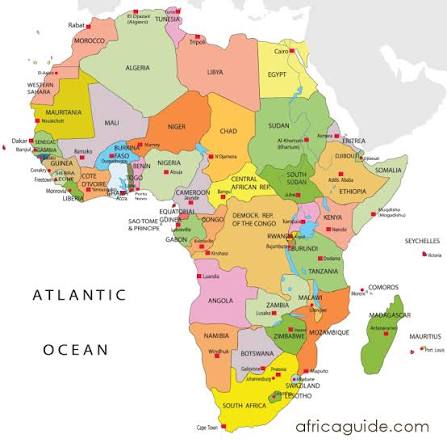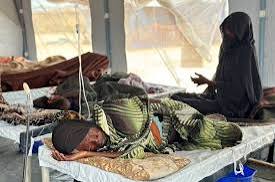
The World Health Organization is warning that Sudan’s latest cholera outbreak risks spiralling further out of control as war, mass displacement and the rainy season combine to create ideal conditions for the deadly waterborne disease.
More than 100 people are confirmed to have died and over 1,300 have been infected across several states, including Darfur and Kordofan, according to WHO figures. Health officials and aid agencies believe the real toll is significantly higher, as many communities are cut off by fighting, damaged roads and fuel shortages.
The case fatality rate in the current outbreak is close to 14 per cent, an alarmingly high level that suggests patients are reaching treatment centres late, if at all, and that basic rehydration therapy and antibiotics are in short supply. In well-resourced settings, cholera deaths are largely preventable and fatality rates typically remain below 1 per cent.
Sudan’s health system has been shattered by more than three years of war between the national army and the paramilitary Rapid Support Forces. Hospitals have been looted or destroyed, medical staff have fled, and supply chains for medicines, clean water and fuel have collapsed. In many areas, only a handful of facilities remain partially functional, often run by volunteers.
This is Sudan’s third cholera wave in as many years, emerging barely two months after the previous outbreak was declared over. While cholera is endemic in the country, WHO officials say Sudan is now facing near-continuous transmission driven by conflict, the breakdown of water and sanitation systems, and severe constraints on access for response teams.
Displacement is compounding the crisis. Millions of people have been forced from their homes into overcrowded camps or informal settlements where latrines are scarce, clean water is limited and rubbish collection has stopped. Aid workers fear that if cholera gains a foothold in these sites, cases could surge rapidly, particularly in North Kordofan and parts of Darfur.
Cholera spreads through contaminated food and water and can kill within hours through acute diarrhoea and dehydration. The WHO has urged an urgent scale-up of chlorination of water sources, emergency repairs to sanitation systems, oral cholera vaccination campaigns where feasible, and safe access for health and humanitarian workers.
The agency describes Sudan as the world’s largest humanitarian crisis, with more than 33 million people in need of assistance, including 21 million requiring health services, and warns that without swift action the cholera outbreak could become yet another devastating chapter in the country’s protracted emergency.